






From ‘Fast’ to ‘Felt’
In a world obsessed with speed, the concept of ‘slow’ can feel revolutionary. Slow travel is a mindset that prioritizes depth over distance and quality over quantity. It’s an intentional shift away from the frantic pace of mass tourism, where destinations
are treated like a checklist of sights to be ticked off. Emerging from the same philosophy as the ‘slow food’ movement, which began as a protest against fast-food chains in Italy, slow travel encourages a more mindful and sustainable approach. It’s about spending more time in fewer places, allowing for a deeper immersion into the local culture, environment, and community. The goal isn't to see a city in a day, but to feel its rhythm over a week.
Connection Over a Checklist
The core promise of slow travel is a richer, more authentic experience. Instead of observing life from a tour bus, you become a temporary part of it. This could mean staying in a family-run homestay in Kerala, learning the stories behind local crafts in Rajasthan, or simply becoming a regular at a neighbourhood chai stall. This approach fosters genuine cultural understanding that a guidebook can never provide. By moving at an unhurried pace, you create space for spontaneity—the unexpected conversations, the unplanned detours, and the hidden gems that are often the most treasured memories of any trip. It transforms travel from a passive act of consumption into an active process of discovery.
A Kinder Way to Explore
Beyond personal enrichment, slow travel carries significant benefits for the places we visit. Mass tourism can strain local infrastructure, overwhelm communities, and have a high environmental footprint. Slow travel offers a more responsible alternative. By staying longer in one location, travellers reduce their carbon emissions from frequent transport like flights. Opting for local trains, buses, or even cycling allows you to see the landscape in a way a plane window never could. Furthermore, this approach directly supports local economies. When you eat at small family-run restaurants, buy from local artisans, and stay in independent accommodation, your money is more likely to remain within the community, combating the economic issue known as 'tourism leakage' where profits go to large, international corporations.
How to Embrace the Slow Lane
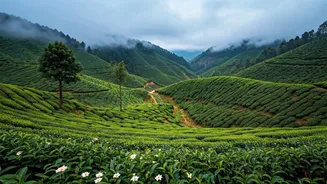
Adopting a slow travel mindset doesn't require you to quit your job and travel for a year. It can be applied to any trip, even a short one. Start by resisting the urge to overschedule. Instead of trying to cover three cities in one week, choose one and explore it thoroughly. Leave entire afternoons unscheduled for wandering. Use public transport or walk whenever possible. In a country as vast and diverse as India, slow travel is particularly rewarding. Consider focusing on one region, like exploring the backwaters and spice plantations of Kerala or immersing yourself in the historic towns and villages of Uttarakhand. By choosing depth, you’ll find that the journey itself becomes the destination.