





The Morning Buzz: A Tale of Two Caffeines
The primary reason many of us reach for a morning brew is for the caffeine, but how matcha and coffee deliver that energy boost differs significantly. Coffee provides a rapid, powerful jolt. Its caffeine is quickly absorbed, hitting peak levels in your
bloodstream in as little as 15 minutes. This leads to a sharp spike in alertness, perfect for kickstarting a sluggish morning. The downside for some can be the equally infamous crash that follows, and the potential for jitters or anxiety. Matcha, on the other hand, offers what many describe as a "calm alertness." While it does contain caffeine—sometimes less than a standard coffee, depending on preparation—it also contains a unique amino acid called L-theanine. This compound works synergistically with caffeine, slowing its absorption into the bloodstream. The result is a more gradual, sustained release of energy over 3 to 6 hours, without the sharp peak and subsequent crash. L-theanine also promotes alpha brain waves, which are associated with a state of relaxed focus, counteracting caffeine's more jarring effects.
The Health and Wellness Scorecard
Both coffee and matcha boast impressive health credentials, largely thanks to their high antioxidant content. Antioxidants are compounds that protect the body's cells from damage. Coffee is rich in polyphenols like chlorogenic acid, which have been linked to a reduced risk of several chronic diseases. Moderate coffee consumption is associated with benefits for heart and liver health and may even lower the risk of depression. Matcha’s claim to fame lies in its exceptionally high concentration of a powerful group of antioxidants called catechins, particularly epigallocatechin gallate (EGCG). Because you consume the entire ground tea leaf rather than just an infusion, you get a much higher concentration of these nutrients compared to regular green tea. These catechins are celebrated for their anti-inflammatory properties, their potential to boost metabolism, and their role in protecting against oxidative stress. Some sources claim matcha has significantly more antioxidants than coffee. Additionally, matcha can contribute to better oral hygiene by fighting certain bacteria in the mouth.
A Matter of Taste and Ritual
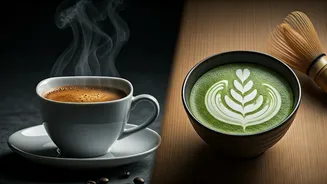
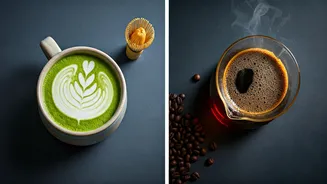
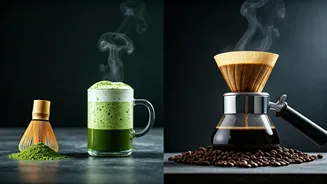
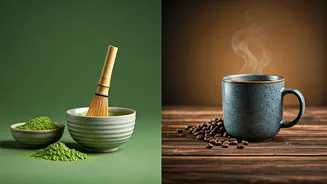
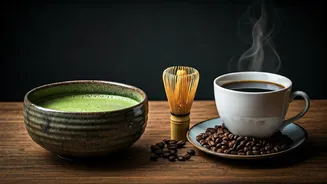
Beyond the chemistry, the choice between matcha and coffee is deeply personal and sensory. Coffee is known for its bold, roasted, and often bitter flavour profile, with a complexity that can range from fruity and acidic to nutty and chocolatey, depending on the bean and brew method. The ritual of coffee can be as simple as pressing a button on a machine or as elaborate as a pour-over process, but it's often associated with a fast-paced, energising start to the day. The comforting aroma of brewing coffee alone can evoke feelings of warmth and routine. Matcha has a unique taste that is often described as vegetal, earthy, and umami, with a smooth, creamy texture when prepared correctly. For many, it's an acquired taste. The traditional preparation of matcha is a ritual in itself, involving a bamboo whisk (chasen) to froth the powder in a bowl. This process is rooted in the Japanese tea ceremony and is often described as meditative and calming, promoting a sense of mindfulness that stands in contrast to coffee's 'grab-and-go' culture.
Culture, Comfort, and Community
Coffee is a global cultural cornerstone. It fuels workplaces, serves as the backdrop for social gatherings, and offers a symbol of comfort and normalcy. Coffee houses have historically been hubs for intellectual discussion, social connection, and creative work. The act of “grabbing a coffee” is a universal invitation to connect, and the drink itself is deeply embedded in daily routines around the world, a dependable source of comfort and familiarity. Matcha’s cultural identity is deeply rooted in Japanese Zen Buddhism and the revered tea ceremony, which embodies principles of harmony, respect, and tranquility. While it has become a trendy global phenomenon associated with modern wellness culture, its core identity is one of mindfulness and intention. Choosing matcha can feel like an act of self-care, a deliberate decision to slow down and focus, contrasting with coffee's association with productivity and hustle.