

The Great Indian Coffee Awakening
A significant transformation is brewing across India, especially in its urban centers. The once-dominant culture of instant coffee, valued for its speed and convenience, is now facing a vibrant challenger: specialty coffee. Young Indians, particularly
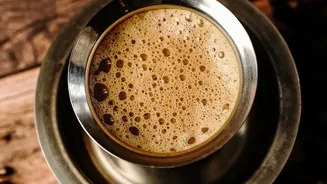
Millennials and Gen Z, are at the forefront of this change, making up a large portion of the nation's specialty coffee consumers. This demographic isn't just seeking a caffeine fix; they're pursuing an experience. The simple act of making coffee is evolving from a hurried morning task into a deliberate, enjoyable ritual involving freshly ground beans and diverse brewing methods like pour-overs and French presses. This shift signals a deeper change in consumer values, where quality, authenticity, and the story behind the cup are becoming just as important as the coffee itself.
From Plantation to Pour-Over
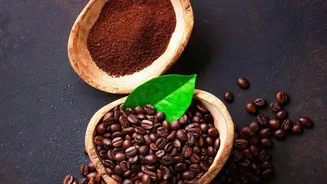
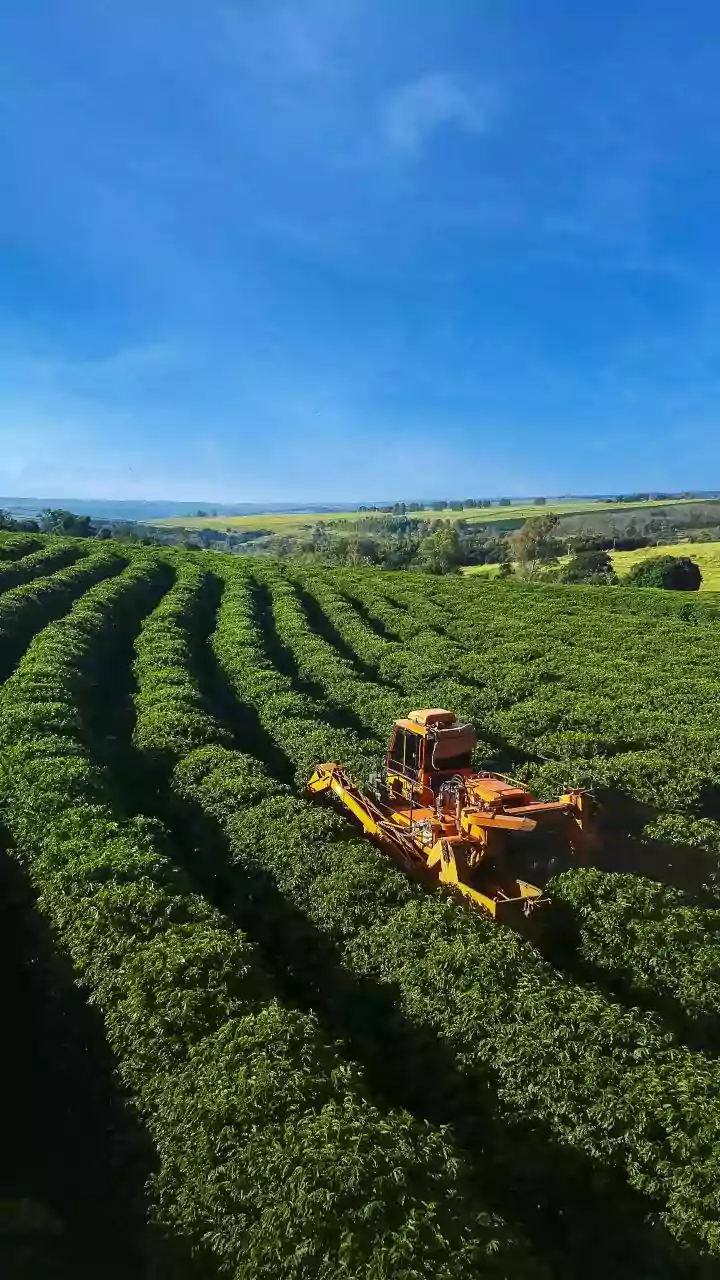
At the heart of this trend are single-origin beans sourced from specific estates in South India. Regions like Chikmagalur, Kodagu (Coorg), and the Shevaroy Hills in Tamil Nadu are no longer just names on a map; they are brands in their own right, celebrated for their unique flavour profiles. Chikmagalur, often called the birthplace of Indian coffee, produces Arabica with notes of caramel and citrus. Coorg's cooler climate yields beans with spicier, fuller-bodied profiles. Unlike mass-market blends, these single-estate coffees offer a taste of their specific 'terroir'—the unique environment of soil, climate, and altitude that shapes their flavour. This focus on provenance allows consumers to connect directly with the coffee's origins, understanding the journey from a specific farm to their cup.
The Rise of D2C Roasters
Facilitating this connection are a host of homegrown, direct-to-consumer (D2C) coffee brands that have flourished in the digital age. Companies like Blue Tokai, Third Wave Coffee, and Sleepy Owl have demystified specialty coffee, making high-quality, freshly roasted beans accessible to anyone with an internet connection. These brands often share detailed stories about their partner estates, the farmers who grow the beans, and the specific processing methods used. This transparency appeals to younger consumers who value ethical and sustainable sourcing. By cutting out the middlemen, D2C brands not only ensure freshness but also help a larger share of the revenue return to the coffee growers, supporting local economies in Karnataka and Tamil Nadu.
Why Now? The Drivers of the Shift
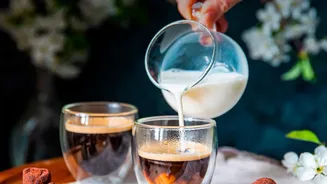
Several factors are fueling this coffee renaissance. Rising disposable incomes and rapid urbanization have given young, aspirational Indians the financial freedom to explore premium products. The global exposure provided by social media has also played a crucial role; a beautifully crafted latte or a minimalist brewing setup is highly shareable content. Furthermore, the pandemic lockdowns spurred a home-brewing boom, as people with more time at home began investing in equipment and experimenting with making café-quality coffee themselves. This has turned into a lasting hobby for many, transforming their kitchens into personal coffee corners. For this generation, choosing artisanal coffee over a mass-market brand is a statement about personal taste, quality, and supporting local enterprise.
More Than a Beverage, a Lifestyle
Ultimately, the growing preference for specialty coffee reflects a broader cultural shift towards mindful consumption. It's part of a movement where consumers are increasingly curious about the origins of their food, appreciate craftsmanship, and seek out authentic experiences. Coffee has become a medium for self-expression and community. Cafés have transformed into social hubs and remote workspaces, while online forums buzz with discussions about brewing techniques and bean recommendations. This movement is not just about swapping one powder for another; it's about embracing a new lifestyle centered on flavour, discovery, and a deeper appreciation for one of India's most important agricultural treasures.