


A New Ridership Benchmark
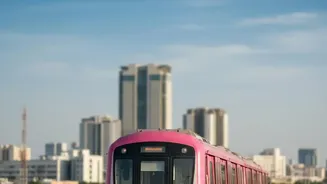
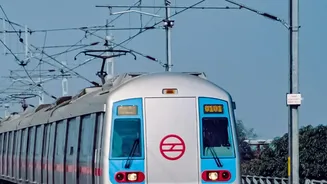
The 'record' in the headline refers to a massive surge in passengers on the driverless network. On November 2, 2026, during the pre-Diwali rush, a remarkable 1.6 million commuters used the driverless trains on the Magenta and Pink lines in a single day.
This accounted for roughly one in every five passengers across the entire Delhi Metro system, which sees about eight million daily riders. This milestone demonstrates both the scale of the driverless operation and the growing public reliance on this advanced technology, which was first introduced in India just six years ago.
The Driverless Network Explained
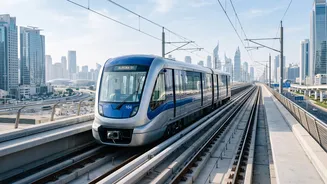
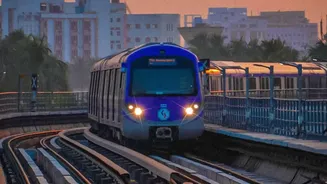
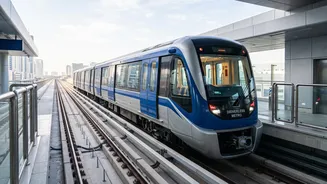
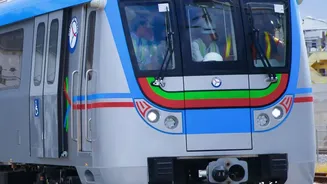
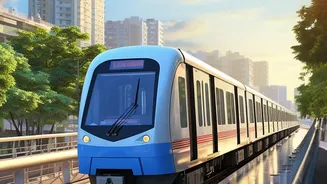
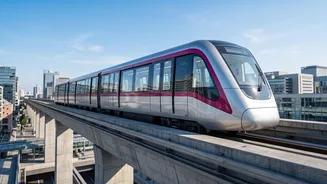
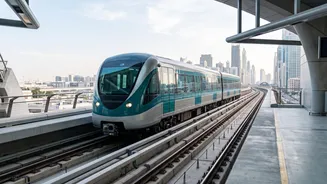
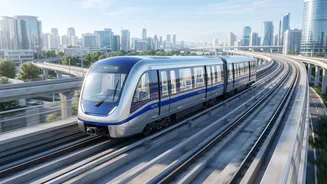
The 100 driverless trains operate on the Magenta Line (Janakpuri West to Botanical Garden) and the Pink Line (Majlis Park to Shiv Vihar). Combined, these two corridors cover approximately 120 kilometres of the metro network. This automated section represents 29% of the entire Delhi Metro system, making it one of the largest driverless networks in the world. The technology, officially known as Unattended Train Operation (UTO), allows for fully automated control of the trains, which are monitored from a central operations centre. This system is designed to increase efficiency and reduce the possibility of human error.
How Does UTO Work?
Unattended Train Operation (UTO) is the highest grade of automation (GoA 4) in train systems, where trains are controlled remotely and run without any staff on board. Advanced signalling, continuous track monitoring, and sophisticated computer systems manage everything from starting and stopping to door operations and maintaining schedules. According to the Delhi Metro Rail Corporation (DMRC), this technology brings more flexibility to operations. It allows for higher frequency of trains, which means less waiting time for passengers, and improves the overall availability of coaches for service.
The Benefits for Delhi's Commuters
For the millions of people who rely on the Delhi Metro, driverless technology offers tangible benefits. The primary advantage is increased reliability and frequency. Automated systems can run trains closer together, improving service frequency especially during peak hours. DMRC's Managing Director, Vikas Kumar, has stated that automation reduces human intervention and errors, leading to a more punctual and dependable service. Furthermore, exhaustive self-tests conducted by the trains before they enter service have significantly increased their reliability, ensuring a safer journey for everyone.
Addressing Safety and Job Concerns
The idea of a train with no driver naturally raises questions about safety and jobs. The UTO system is built with multiple redundancies and fail-safes. Platform screen doors, a key feature on these lines, prevent accidental falls onto the tracks. However, the technology has faced some scrutiny. There are arguments that the high upfront capital cost is a significant barrier for a country like India where staffing costs are lower. Addressing concerns about job losses, the DMRC has confirmed that no train operators have been laid off. Instead, the roughly 3,000 operators have been redeployed and retrained for other crucial roles like station management and crowd control, ensuring their skills continue to contribute to the metro's functioning.