






What Is This Wobbly Plot Twist?
This "wobbly plot twist" is known in the fitness world as instability training. It involves performing exercises on unstable surfaces or using tools that challenge your balance. Think squats on a Bosu ball, planks with your hands on a stability ball, or even
simple single-leg exercises on the floor. The goal is to force your body to work harder to maintain control. This approach targets not only the major muscle groups you’re focused on but also the smaller, often-neglected stabiliser muscles that support your joints and spine. By creating an unstable environment, you're challenging your body’s neuromuscular system to adapt and become more efficient.
The Science of a Stronger You
The magic behind instability training lies in a concept called proprioception. Think of proprioception as your body's internal GPS—its ability to sense its position and movement in space without you having to look. When you're on a wobbly surface, this system goes into overdrive. Your brain and muscles have to communicate constantly to make tiny, rapid adjustments to keep you from falling. This intense neurological workout has profound benefits. Research shows that exercising on unstable surfaces significantly increases the activation of core muscles like your abs, obliques, and lower back. It also strengthens the stabilising muscles around your joints, which can help reduce the risk of injuries like ankle and knee sprains.
Your Instability Toolkit
You don't need a gym full of fancy gadgets to get started. The simplest form of instability training requires no equipment at all: just stand on one leg. Master that, and you can progress to more challenging movements. If you are ready to invest in some equipment, there are several great options. The Swiss ball (or stability ball) is a classic tool that's been used for decades to challenge core strength. A Bosu ball, which is like half a Swiss ball with a flat, stable base, is another versatile option for everything from squats to push-ups. Smaller items like balance discs or foam pads can also be used to add a challenge to lunges and squats. Suspension trainers offer another way to use your own bodyweight in an unstable environment, forcing your core to work hard to control every movement.
Moves to Get You Started
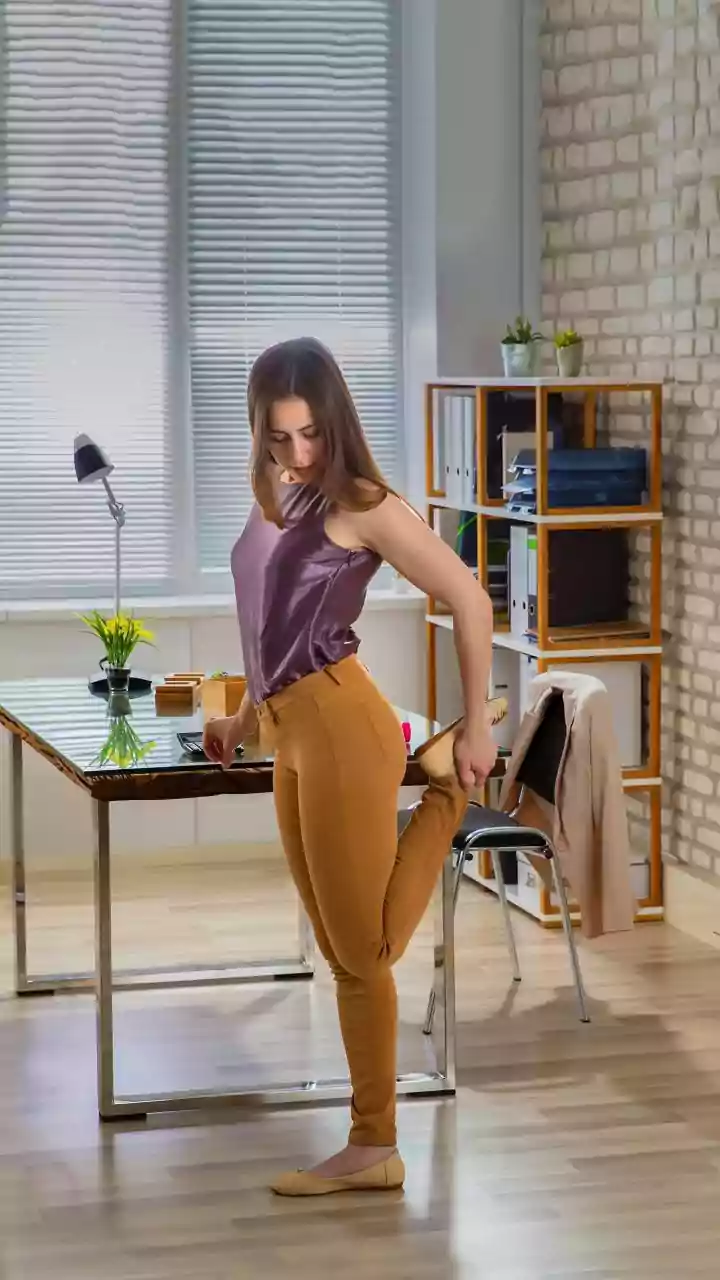
Ready to wobble? Start by incorporating one or two of these moves into your existing routine. Remember to focus on control, not speed. 1. Single-Leg Stand: This is the foundation. Stand on one foot and try to hold it for 30 seconds without holding on to anything. Once you master this, try it with your eyes closed to really test your proprioception. 2. Bosu Ball Squat: Stand on the dome side of a Bosu ball with your feet hip-width apart. Slowly lower into a squat, keeping your chest up and your core engaged. The wobbly surface will force your hips, knees, and ankles to work together to maintain balance. 3. Stability Ball Plank: Place your forearms on a stability ball and extend your legs behind you into a plank position. The ball will want to roll, forcing your entire core to fire to keep your body in a straight line from head to heels. 4. Single-Leg Deadlift: Standing on your right leg, hinge at your hips to lower your torso toward the floor while extending your left leg straight behind you for balance. This move is fantastic for hamstring strength and balance, even on a stable floor.
Wobble, Don't Topple: A Note on Safety
While instability training has many benefits, it also comes with an increased risk of injury if not done correctly. The key is to progress slowly. Master an exercise on stable ground before you even think about trying it on a wobbly surface. When you do start, use a wall or a sturdy chair for support until you feel confident. Reduce the weight you would normally lift; the focus here is on stability and control, not heavy lifting. Trying to perform a heavy barbell squat on a Swiss ball is a recipe for disaster. Listen to your body. If a movement feels shaky and uncontrolled, it's a sign that your core and stabiliser muscles aren't ready for that level of challenge yet. Regress to an easier version and build your foundation from there.