







Why October is the Gardener's Golden Hour
October is widely considered one of the most exciting months in the Indian gardening calendar. The intense summer heat has passed, and the soil, still warm and moist from the monsoon, provides ideal conditions for seed germination. With cooler nights
and milder days, plants sown now can establish strong roots before the peak of winter, leading to healthier growth and more abundant yields. This transitional weather also means fewer issues with pests and fungal diseases that are common during the humid monsoon months. Whether you have a large backyard or a few pots on a balcony, this is the prime time to get your hands dirty.
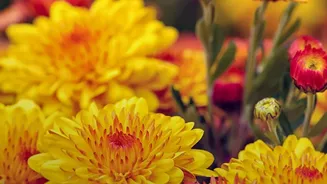
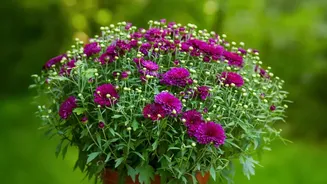
Chrysanthemums: The Queens of Autumn
Known as the 'Autumn Queen', chrysanthemums are a favourite for bringing spectacular colour to the garden as other summer plants begin to fade. These flowers thrive in cooler weather and are short-day plants, meaning they require longer nights to produce their beautiful blooms, which makes the Indian winter an ideal blooming season. For a successful chrysanthemum patch, choose a spot that receives at least five to six hours of sunlight, preferably morning sun. They require well-draining soil rich in organic matter like compost or well-rotted manure. You can buy saplings from a local nursery for instant colour or propagate them from cuttings. Water them regularly, but ensure the soil doesn't become waterlogged, as they dislike 'wet feet'. With varieties ranging from large, showy blooms to smaller, button-like pom-poms, they are a must-have for a festive winter garden.
Marigolds: Festive Bursts of Sunshine
No Indian garden feels complete without the cheerful presence of marigolds (Genda). Incredibly easy to grow, they are a staple of the festive season, with their golden and orange hues symbolising positivity and celebration. October is the perfect month to sow marigold seeds, as the plants will be in full bloom by the time Diwali arrives. Marigolds are sun-lovers, needing at least six hours of direct sunlight to flower profusely. They are not fussy about soil but do best in a well-draining mix. Sow seeds about a quarter-inch deep, and keep the soil moist until they germinate, which usually takes five to ten days. Beyond their beauty, marigolds are excellent companion plants in a vegetable patch, as they are known to naturally deter pests like nematodes.
Winter Spinach: A Harvest of Fresh Greens
October is also the ideal time to start your winter vegetable garden, and spinach (Palak) is one of the easiest and most rewarding greens to grow. It thrives in the cool temperatures of the coming months, and winter-grown spinach often has a sweeter, more tender taste. You can grow spinach in pots, grow bags, or directly in garden beds. Ensure your soil is loose and well-drained, enriched with compost to provide plenty of nutrients for leafy growth. Sow the seeds about half an inch deep, spacing them a few inches apart. They typically germinate within a week or two. Spinach requires consistent moisture but not overwatering; watering every couple of days is usually sufficient in winter. Place your pots where they can get three to five hours of sunlight daily for a continuous supply of fresh, nutritious leaves for your kitchen.