






The Rhythm of a Healthy Heart
At its core, walking is one of the most accessible forms of cardiovascular exercise. Consistent, brisk walking strengthens the heart muscle, allowing it to pump blood more efficiently. This improved circulation helps to lower blood pressure and reduce
the risk of heart disease and stroke. Studies show that walking for about 30 minutes a day, five days a week, is associated with a significant reduction in coronary heart disease risk. It also helps in managing weight, improving cholesterol levels by boosting 'good' HDL cholesterol, and lowering the risk of type 2 diabetes. Unlike a strenuous gym routine that can feel intimidating, walking requires no special equipment beyond a comfortable pair of shoes, making it a sustainable habit for long-term heart health.
A Breath of Fresh Air for the Mind
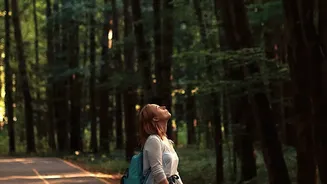
The benefits of walking extend far beyond the physical. Taking a walk, especially outdoors in a green environment, is a proven way to de-stress and improve your mood. Spending time in nature helps to significantly lower cortisol, the body's primary stress hormone. This act of 'green exercise' is linked to reduced feelings of anxiety and anger, and an increase in positive energy. The simple rhythm of placing one foot in front of the other can have a meditative effect, clearing the mind and fostering a sense of peace and tranquility. In a world of constant digital notifications and demands, an outdoor walk offers a much-needed mental reset, boosting creativity and focus when you return.
The Power of the Group
While walking alone is beneficial, doing it with a group adds a powerful social dimension that enhances the entire experience. Social isolation is a growing health concern, linked to everything from mental distress to a higher risk of heart disease. Walking communities combat this directly, providing a sense of belonging and connection. The shared experience and mutual encouragement help members stay motivated and consistent, which is key to forming a lasting exercise habit. The conversation and laughter shared on the trail are not just distractions; they are vital components of social well-being that improve mood and can even lead to better sleep. This combination of physical activity and social bonding creates a uniquely supportive environment for overall wellness.
Finding Your Stride in India
Across India, from the parks of Bangalore to the Aravalli trails near Gurgaon, walking and hiking groups are becoming increasingly popular. These communities are not just about exercise; they are about rediscovering local nature, building friendships, and creating a culture of wellness. Platforms like Meetup show dozens of active groups in cities like Pune, Delhi, Mumbai, and Chennai, with thousands of members. Some groups, like Gurgaon Walkers, organize weekly free hikes, quarterly outstation treks, and even international expeditions, fostering a strong sense of community. Others, like HikeX, focus on empowering individuals with the skills to hike independently while connecting them with like-minded people. Whether it's a casual morning walk group around a neighbourhood lake or a more adventurous trekking club, there's a growing movement to get outdoors together.
Your First Steps to a Walking Group
Getting involved is simpler than you might think. Start by looking for local groups on social media platforms or community apps like Meetup. Search for terms like 'walking club', 'hiking group', or 'morning walkers' in your city. If you can't find one that fits your schedule, consider starting your own. It can be as simple as inviting a few friends, neighbours, or colleagues for a walk at a set time and place. Choose a location that is safe, well-lit, and has good walking paths, like a local park or a quiet residential area. Define your group's goals together: Is it for gentle morning walks or more vigorous weekend hikes? The key is consistency and creating a welcoming atmosphere. The accountability and camaraderie of the group will help everyone stick with it.