
Factor 1: The All-Important Budget
Your wallet is often the first and last word in travel planning. For the ultra-budget-conscious, Vietnam is a superstar. A solo traveller can comfortably manage on ₹500 - ₹1,500 per day for food, thanks to its incredible street food culture. Accommodation
in hostels is plentiful and cheap, and with an e-visa process for Indians, getting there is straightforward. A 7-10 day trip can be managed within ₹60,000 to ₹1,20,000, including flights. For a mid-range international option, Sri Lanka offers a fantastic balance of affordability and experience. While slightly more expensive than Vietnam, it's still considered one of the most affordable foreign destinations for Indians. A mid-range solo trip for 7 days can cost between ₹60,000 and ₹85,000. Flights from South Indian cities are particularly cheap, and the ETA visa is simple and inexpensive. If you prefer to stay domestic, Spiti Valley in Himachal Pradesh is an adventurer's dream. A solo trip using public transport and homestays can be done on a budget of ₹15,000 to ₹25,000, but this excludes getting to the starting point. Shared taxis or bike rentals will increase the cost. While the daily expenses are low, the logistics of getting there and around require more planning.
Factor 2: Safety, Visas, and Peace of Mind
For a solo traveller, especially for the first time, a sense of security is priceless. All three destinations are generally considered safe for solo travellers, including women, with standard precautions. Vietnam has a well-trodden backpacker trail and a friendly local population, making it easy to meet other travellers. Sri Lanka is also very welcoming to tourists, and English is more widely spoken, which can ease communication. When it comes to visas, Southeast Asian countries are often the easiest. Vietnam offers a straightforward e-visa for Indians. Sri Lanka similarly has a simple Electronic Travel Authorization (ETA) process. Thailand and Malaysia have also recently offered visa-free entry, making them excellent, hassle-free options. Spiti Valley, being a domestic destination, requires no visa, which is a major advantage. However, its remoteness and high altitude are factors to consider. The Shimla-Kaza road is generally considered the safer route for acclimatization, especially in September as the monsoon recedes. Mobile connectivity can be sparse, so informing family of your itinerary is crucial.
Factor 3: The Experience You Crave
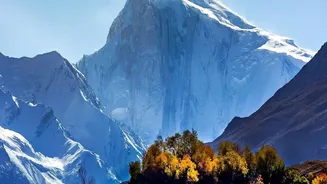
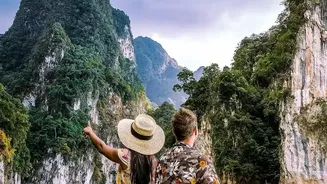
What kind of trip are you dreaming of? This is where these destinations truly diverge. Vietnam offers a kaleidoscope of experiences. You can dive into the history of Hanoi's Old Quarter, cruise through the stunning limestone karsts of Ha Long Bay, and soak in the lantern-lit charm of Hoi An. The weather in September is transitional; the north sees the end of the rainy season with cooler days, while the south still has frequent, but short, rain showers. Sri Lanka is an island paradise that packs a punch. In a single trip, you can explore ancient cities in the Cultural Triangle, ride the famous scenic train to Ella, relax on golden beaches in the south, and go on a wildlife safari. September weather is mixed; it's the end of the southwest monsoon, so the west and south coasts can see rain, while the north and east are generally drier and sunny. Spiti Valley is for the traveller seeking raw, high-altitude adventure and spiritual solace. September is one of the best months to visit, as the monsoon has passed, leaving clear blue skies and crisp air. The landscape is stark and breathtaking, dotted with ancient monasteries like Key and Tabo. This is not a trip for luxury, but for stunning photography, challenging treks, and a profound sense of peace in the Himalayas.