

A Sweet Shift Back to 'Gur'
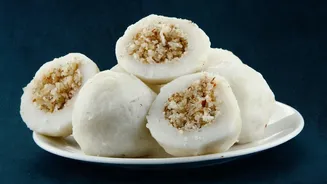
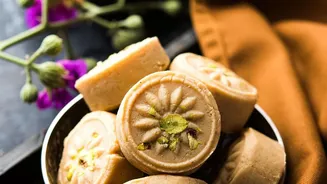
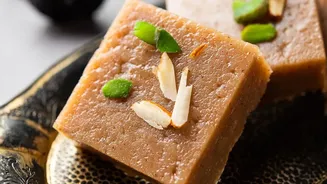
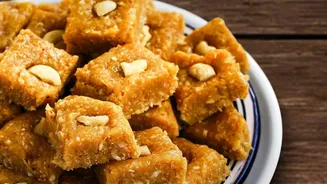
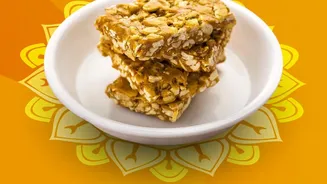
Across social media and in urban kitchens, a noticeable trend is taking hold. Home bakers are increasingly ditching refined white sugar for organic jaggery, or ‘gur’. This isn't just about recreating traditional sweets like ladoos and chikkis; it's about innovating
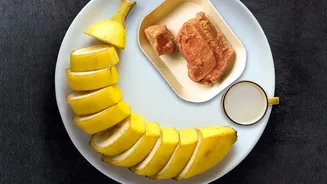
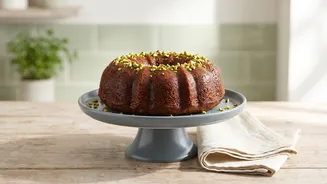
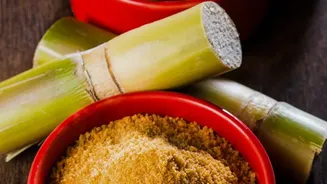
with modern desserts. We're seeing jaggery brownies, spiced tea cakes, and banana bread sweetened with this unrefined sugar. The move is driven by a growing desire for natural, minimally processed foods. Consumers are becoming more conscious of what goes into their bodies, and jaggery, with its deep roots in Indian culinary and medicinal traditions, is seen as a wholesome choice. Major organic brands have also expanded their portfolios to include various forms of packaged jaggery, making it more accessible than ever.
More Than Just Sweetness: The Appeal of Jaggery
So, why the sudden surge in popularity? The reasons are threefold: health perception, flavour, and cultural nostalgia. Unlike white sugar, which is stripped of nutrients during processing, jaggery retains minerals like iron, magnesium, and potassium. Proponents point to its traditional use in Ayurveda for everything from aiding digestion to purifying the blood. While it is still a sugar and should be consumed in moderation, it is not just ’empty calories’. Beyond health, jaggery offers a complex flavour profile that white sugar lacks. With its earthy, caramel, and almost smoky notes, it adds a unique depth to baked goods. This move represents a return to culinary roots, embracing an ingredient that has been a staple in Indian households for centuries.
The Baker's Guide to Using Jaggery
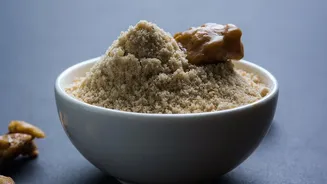
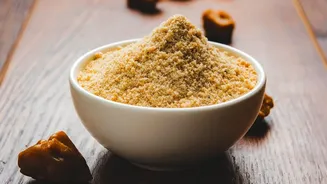
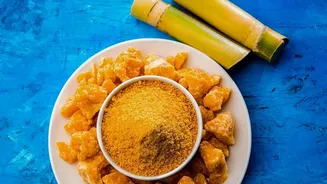
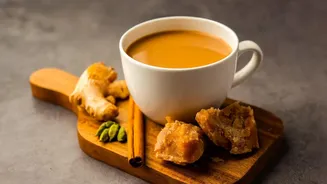
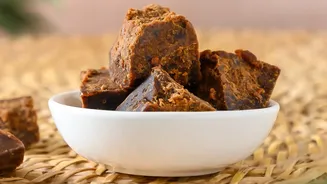
Swapping white sugar for jaggery isn’t always a simple one-to-one substitution. Jaggery is hygroscopic, meaning it absorbs and retains moisture, which can make cakes and cookies denser and chewier. This is often a desirable quality, leading to moister tea cakes and softer cookies. It also comes in different forms: solid blocks, liquid, and powder. For baking, powdered jaggery is the most convenient, as it dissolves easily. When substituting, you may need to slightly reduce the liquid in your recipe to balance the added moisture from the jaggery. Its flavour is also more pronounced, so it pairs beautifully with spices like cardamom and ginger, as well as ingredients like chocolate and banana.
Choosing Your Jaggery
Not all jaggery is created equal. The most common type is made from sugarcane, but you can also find palm jaggery (from date or coconut palms), each with a unique flavour. Date palm jaggery, known as 'nolen gur' in West Bengal, has a rich, almost chocolate-like taste. When shopping, look for organic and chemical-free options. The colour can range from golden yellow to dark brown; a darker colour often indicates a higher mineral content and a more robust flavour. Many home bakers now seek out specific regional varieties for their distinct taste profiles, transforming jaggery from a simple sweetener into an artisanal ingredient.