



A Paradoxical Paradise in Monsoon
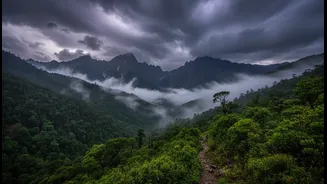
For most of the Indian Himalayas, the monsoon season means trekking trails are closed due to slippery paths and the risk of landslides. The Valley of Flowers, however, is a remarkable exception. This high-altitude valley in the Garhwal region, a designated
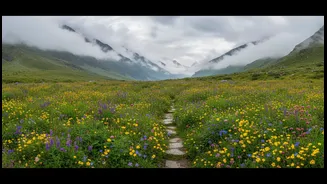
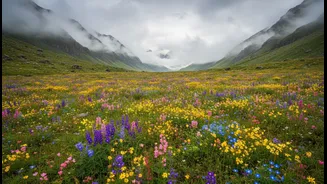
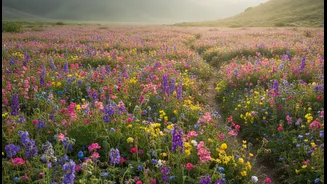
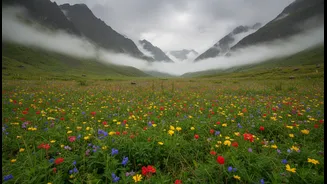
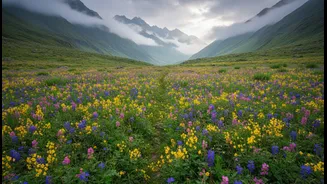
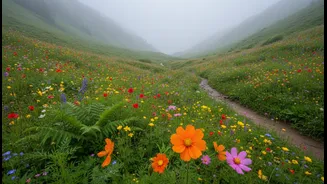
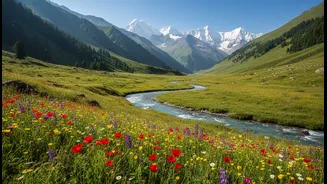
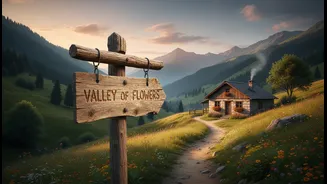
UNESCO World Heritage Site, comes to life precisely during the rains. From July to early September, the valley floor erupts in a riot of colour, with over 500 species of alpine flowers bursting into bloom. This limited, magical window is the primary draw. Millennial travellers, driven by a desire for unique and time-sensitive experiences, are drawn to this natural spectacle that can only be witnessed during these specific monsoon months. The fleeting nature of the bloom adds to its allure, making it a must-do for those who want to see something truly special.
The Perfect Photographic Canvas
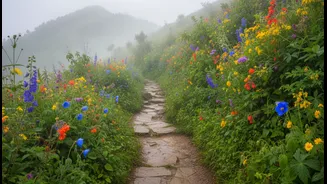
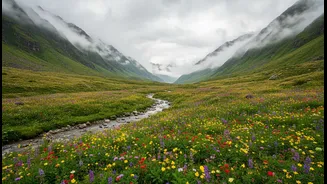
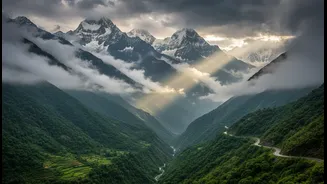
For a generation that documents life visually, the Valley of Flowers offers an unparalleled photographic opportunity. The monsoon clouds create soft, diffused light, which is perfect for capturing the vibrant hues of the flowers without harsh shadows. The landscape is a dream composition: carpets of pinks, purples, and yellows set against misty mountains and lush green meadows. Species like the elusive Blue Poppy, the sacred Brahma Kamal, and fields of Himalayan Balsam provide endless subjects. Photography-centric tours cater specifically to this, with guides who know the best spots to find rare blooms and capture dramatic landscapes. The goal isn't just to take a photo, but to create a stunning visual story that captures the magic of the place, making it perfect for sharing on platforms like Instagram.
Curated Adventure over Rugged Hassle
The term "curated" is key to understanding this trend. Many urban millennials are passionate about adventure but may be short on time or the expertise required to plan a complex Himalayan trek. This is where curated tour operators come in. They handle all the logistics: transport from cities like Rishikesh, accommodation at the Ghangaria base camp, permits, and meals. This organised approach removes the friction and uncertainty from the experience. The trek itself, while rated easy-to-moderate, involves acclimatising to altitudes of over 11,000 feet, which curated trips manage safely. This allows trekkers to focus on the experience—the walk, the views, the photography—rather than the stress of logistics, making high-altitude adventure accessible and appealing.
More Than a Trek, a Holistic Experience
The journey to the Valley of Flowers is rarely done in isolation. Most itineraries combine the floral trek with a more strenuous and spiritual climb to Hemkund Sahib. This high-altitude Gurudwara, set beside a glacial lake at over 14,000 feet, adds a profound spiritual and cultural dimension to the trip. The physical challenge of the Hemkund Sahib trail, combined with its serene atmosphere, makes the overall journey more meaningful. This blend of natural beauty, physical achievement, and spiritual reflection resonates with millennials seeking more than just a holiday. They are looking for transformative experiences, and this trek, with its dual destinations, offers a powerful combination of adventure for the body and peace for the soul.