
The Plant-Based Iron Puzzle
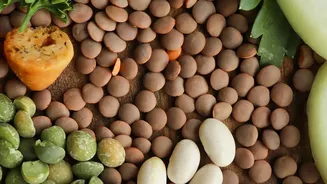
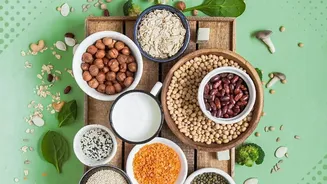
Iron is a crucial mineral responsible for carrying oxygen in our blood and keeping our energy levels up. It comes in two forms: heme iron, found in animal products like meat and poultry, and non-heme iron, found in plant sources like lentils, beans, spinach,
and fortified foods. Our bodies find it much easier to absorb heme iron. Non-heme iron, however, is a bit more challenging for our digestive system to take up efficiently. This is partly because many plant foods also contain compounds called phytates and polyphenols, found in grains, legumes, and even tea and coffee, which can inhibit iron absorption. This means that even if you're eating an iron-rich vegan or vegetarian diet, you might not be getting the full benefit of that iron. This is where a key vitamin comes into play.
Vitamin C: The Key to Unlocking Nutrients
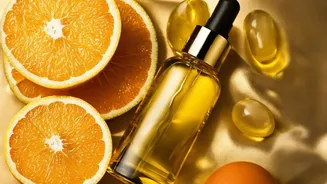
Think of Vitamin C as the master key that unlocks the full potential of plant-based iron. Scientifically known as ascorbic acid, Vitamin C is a powerful enhancer of non-heme iron absorption. It works in two main ways. First, in the acidic environment of your stomach, it chemically changes the iron from its hard-to-absorb ferric (Fe3+) state to the much more soluble and absorbable ferrous (Fe2+) state. Second, Vitamin C forms a protective, soluble complex with the iron, shielding it from the effects of those absorption-blocking phytates and polyphenols as it travels through your gut. Studies have shown that adding Vitamin C to a meal can dramatically increase iron absorption, in some cases by as much as four times. This simple synergy ensures that more of the iron you consume actually makes it into your bloodstream where it’s needed.
Simple and Delicious Pairings for Your Plate
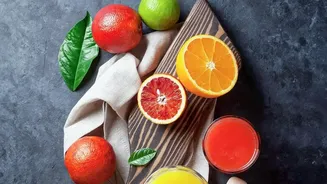
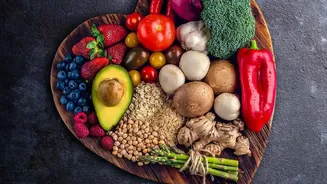
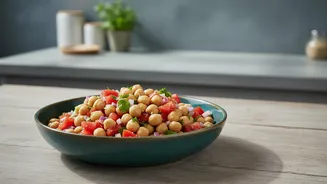
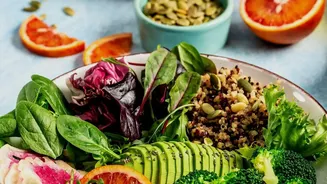
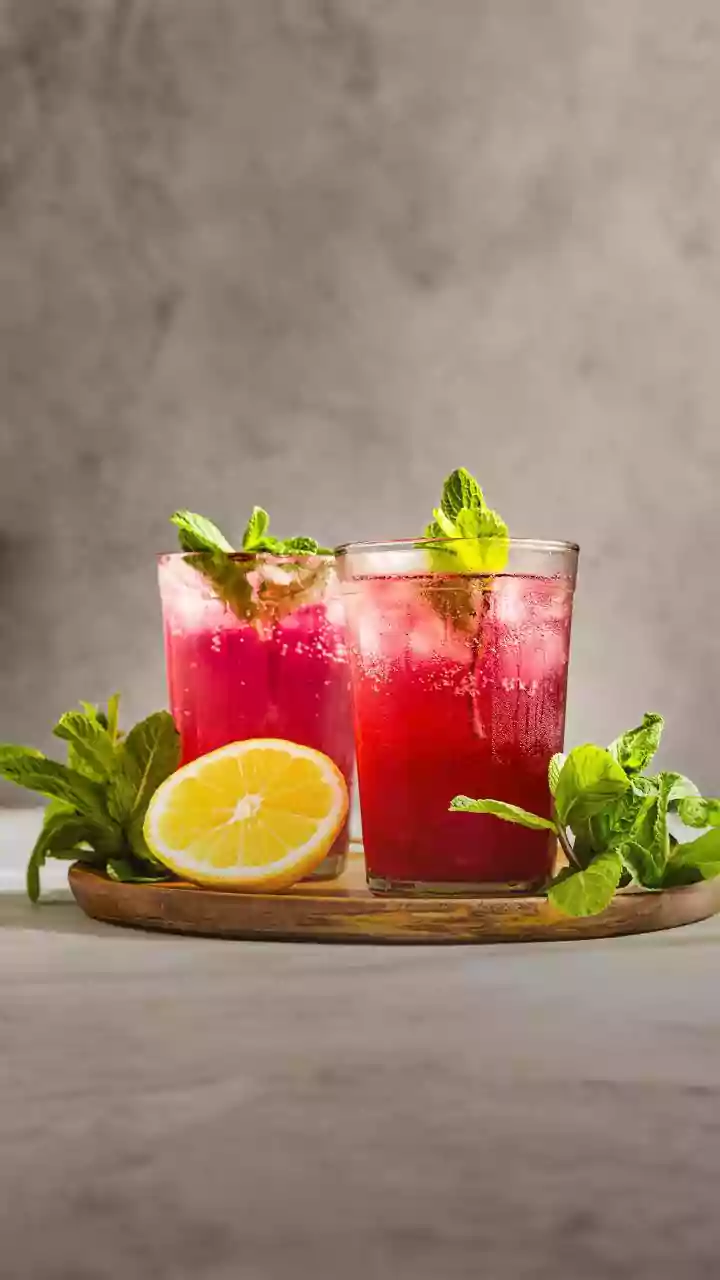
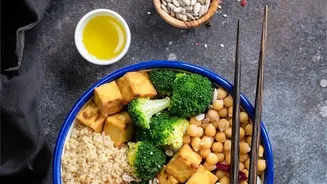
Putting this science into practice is both easy and delicious. The goal is to simply include a source of Vitamin C in the same meal as your plant-based iron source. The good news is that Vitamin C is abundant in many common fruits and vegetables. For an Indian palate, this is often an intuitive practice. A generous squeeze of lemon or lime over a bowl of dal or a bean curry is a classic example. Adding tomatoes to a spinach sabzi or palak tofu also works wonders. Outside of traditional meals, the options are endless. Consider a bell pepper and lentil salad, a stir-fry with broccoli and tofu, or starting your day with a bowl of iron-fortified oatmeal topped with fresh strawberries. Even a small glass of orange juice with your meal can make a significant difference. Other fantastic sources of Vitamin C to keep in your kitchen include amla, guava, kiwi, and Brussels sprouts.
What to Keep in Mind
While Vitamin C is a powerful ally, it’s also helpful to be aware of what can work against iron absorption. The primary inhibitors are polyphenols, which are highly concentrated in coffee and black tea, and phytates found in whole grains and legumes. You don't need to avoid these healthy foods, but it's strategic to consume your coffee or tea between meals rather than with them to maximize iron uptake. Calcium is another mineral that can compete with iron for absorption, so it’s wise to avoid taking calcium supplements or consuming large amounts of dairy at the same time as your main iron-rich meal. By being mindful of these combinations, you empower your body to get the most out of the nutritious food you eat. It's not just about what you eat, but how you eat it.