



A Search for Slower, Deeper Travel
The shift towards rural destinations isn't just about escaping crowds; it's a fundamental change in travel philosophy. Modern travellers, particularly the domestic market, are increasingly prioritising personal growth, wellbeing, and authentic experiences
over simply checking off a list of sights. This trend, accelerated by post-pandemic reflections on lifestyle and safety, has led to a surge in demand for getaways that offer a genuine connection to place and culture. Travellers are looking for slower, more meaningful interactions, from learning about local traditions to simply enjoying the peace of the countryside. This desire for authenticity is a key driver, with reports indicating that the vast majority of Indian travellers are now seeking cultural exchanges and supporting small, independent businesses.
From Farm Stays to Craft Villages
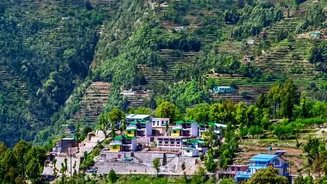
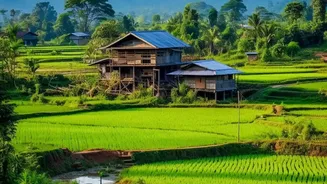
So, what does this new frontier of travel look like? It's incredibly diverse. Agritourism is a major component, with the market in India projected to grow significantly. This can mean anything from staying on a working farm in the Konkan region, helping harvest cashews or mangoes, to touring the vast tea and spice plantations of Kerala and Assam. Beyond the farm, travellers are flocking to unique destinations like Mawlynnong in Meghalaya, known as one of Asia's cleanest villages, or the craft-centric village of Raghurajpur in Odisha. These places offer immersive experiences like participating in artisan workshops, taking heritage walks led by locals, and enjoying farm-to-table meals that offer a true taste of the region.
The Rise of the Homestay
Central to the growth of rural tourism is the homestay. By using existing housing rather than building new hotels, the homestay model offers a low-capital entry point into the tourism market for rural families. This transforms residents into micro-entrepreneurs, providing a direct and sustainable income stream that stays within the community. Recognising this potential, both central and state governments have launched initiatives to support the development of homestays, particularly in tribal and remote areas. Schemes providing financial assistance for construction and renovation, coupled with training for hosts, are helping to formalise and scale this sector, ensuring quality and a consistent experience for travellers while empowering local communities, especially women.
An Engine for Inclusive Growth
The impact of this trend extends far beyond the individual traveller's experience. Rural tourism is being championed as a powerful tool for inclusive development. With a significant percentage of India's population residing in villages, this model creates jobs, diversifies incomes for farming communities, and helps reduce migration to urban centres. It provides a vital economic incentive for the preservation of local culture, heritage, and traditional crafts. State governments are taking notice, with places like Uttar Pradesh and Sikkim launching ambitious plans to develop hundreds of villages into tourism hubs, complete with financial backing and skill training for locals. The goal is to ensure the benefits of tourism reach beyond established destinations and contribute to the broader development of rural India.
Paving a Sustainable Path Forward
As this frontier expands, the key challenge is ensuring its growth is sustainable. The goal is to avoid the pitfalls of over-tourism that have plagued more traditional destinations. The Ministry of Tourism has formulated a national strategy focused on developing rural tourism in a responsible manner, creating clusters of destinations and building local capacity. This involves a 'destination-centric' approach, focusing on enhancing the visitor experience while protecting the local environment and culture. The success of this new chapter in Indian tourism will depend on this delicate balance: providing the authentic, immersive experiences that travellers crave while empowering local communities and preserving the very charm that makes these rural destinations so appealing in the first place.