






The Foundational Power of Walking
The simplest exercises are often the most profound. Walking is a low-impact activity that offers countless benefits, from strengthening bones and muscles to improving balance and coordination. When you take your walk outdoors, these benefits are amplified.
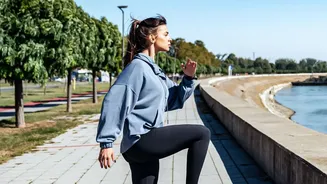
The fresh air and sunshine can boost your mood and energy levels. Instead of seeing it as a chore, frame your walk as a form of active meditation. Pay attention to your surroundings and your breathing. Many parks feature walking or jogging trails away from traffic, providing a safe and serene environment. A brisk 15 to 30-minute walk around the perimeter of the play area can serve as a perfect warm-up before you move on to more specific mobility work. Varying your route and walking on different surfaces like grass or gentle slopes can also challenge your balance and coordination in new ways.
Why Gentle Mobility is Crucial
Mobility is your body's ability to move through a full range of motion without pain or stiffness. As we age, maintaining mobility is key to performing daily activities and preventing injuries. Gentle mobility exercises focus on improving joint health, flexibility, and overall movement patterns. Unlike intense stretching, mobility work is active and aims to warm up the muscles and lubricate the joints. Incorporating movements that target the hips, spine, and shoulders can counteract the effects of a sedentary lifestyle and help you feel more fluid and capable in your body. These exercises don't require special equipment; using your own body weight is an incredibly effective way to build strength and resilience.
Your Playground Fitness Circuit
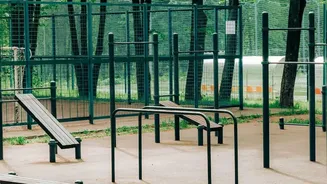
The local playground is full of equipment perfect for a gentle, bodyweight-based workout. Many of these structures are ideal for modified exercises that are easy on the joints. Here are a few ideas: Bench Step-Ups: Use a park bench for simple step-ups. This builds leg strength and improves balance. You can also use the bench for modified push-ups by placing your hands on the seat to reduce the difficulty. Wall Push-Ups: Find a sturdy wall or the side of a play structure. Stand facing it, place your hands on the wall, and perform a standing push-up. This strengthens the chest and arms with minimal strain. Low Bar Hangs: If there are low monkey bars or a horizontal ladder, simply hanging for a few seconds can help decompress the spine and improve grip strength. There's no need to do a pull-up; a gentle hang is beneficial on its own. Gentle Swings: The swing set isn't just for kids. Sit on a swing and use your legs to gently propel yourself. This motion engages the core and legs in a fun, low-impact way.
Putting It All Together
Creating a routine is simple. Start with a 10-minute walk to warm up your body. Then, move through a circuit of mobility exercises. You could perform 8-10 repetitions of each movement, focusing on controlled, mindful execution. A sample routine could look like this: 1. Warm-up: 10-minute brisk walk around the park. 2. Circuit: 10 bench step-ups (each leg). 10 wall push-ups. 30-second gentle hang from a low bar. 10 bodyweight squats using a bench for stability if needed. 3. Repeat Circuit: Go through the circuit two or three times, resting as needed between sets. 4. Cool-down: Finish with another 5-10 minute gentle walk and some light, static stretching.
Safety and Park Etiquette
Exercising outdoors requires a few common-sense safety measures. Always be aware of your surroundings and, if possible, exercise during daylight hours. Let someone know where you are going and when you expect to be back. Before using any playground equipment, give it a quick check to ensure it is dry and stable. Wear supportive, comfortable shoes that are right for your feet. Most importantly, listen to your body. If something feels painful or unstable, stop immediately. Finally, always be courteous and give priority to children who are there to play. Working out when the playground is less busy, such as in the morning, is often a good strategy.