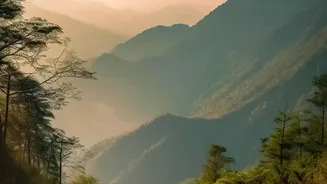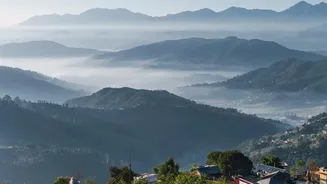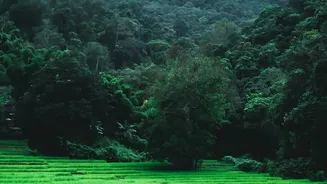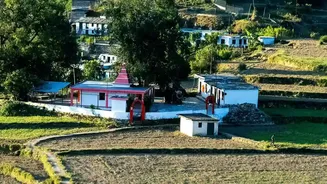


In a world of fast-paced travel, Sikkim stands as a serene sanctuary. This Himalayan state has masterfully balanced breathtaking beauty with a fierce commitment to conservation, choosing sustainable growth over unchecked commercial development.
The Green Blueprint: A Statewide Commitment
Sikkim's
verdant landscapes are no happy accident; they are the result of deliberate, forward-thinking policies. The state became India's first fully organic state in 2016, eliminating chemical pesticides and fertilisers to protect its fragile ecosystem. This commitment is part of a broader ecotourism policy designed to empower local communities, conserve natural resources, and ensure that tourism remains a low-impact, high-value industry. By promoting homestays, regulating visitor numbers in sensitive areas, and banning single-use plastics long before it became a national conversation, Sikkim has created a model for responsible travel. This philosophy allows visitors to experience its raw beauty while contributing directly to the livelihoods of the people who preserve it.
Dzongu Valley: A Sacred Lepcha Reserve
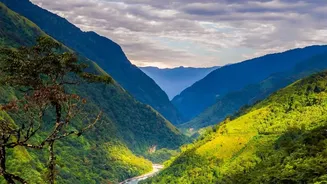
Tucked away in North Sikkim, Dzongu is the designated homeland of the Lepcha community, the original inhabitants of this land. Access to this triangular region, bounded by the Teesta River and Kanchenjunga Biosphere Reserve, is restricted, requiring a special permit. This measure has been crucial in preserving its pristine environment and unique cultural heritage. Commercial hotels are absent; instead, visitors are welcomed into traditional family-run homestays. This model of community-based tourism allows for an authentic cultural exchange, where days are spent hiking to waterfalls like Lingzya, visiting ancient monasteries, and learning about a way of life deeply connected to nature.
Yuksom: The Historic First Capital
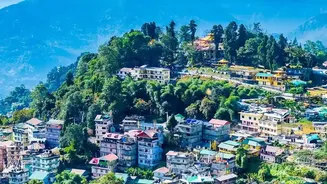
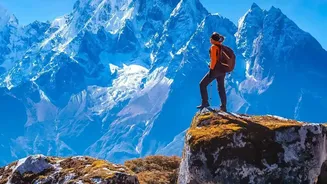
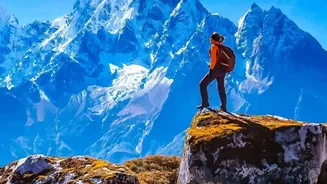
Yuksom is where the history of the Sikkimese kingdom began, serving as its first capital after the coronation of the first Chogyal (king) in 1642. Today, this quiet town in West Sikkim is a haven for peace-seekers and trekkers. It serves as the gateway to the Khangchendzonga National Park, a UNESCO World Heritage Site, and is the starting point for famous treks like the Goecha La and Dzongri La. Despite its historical and adventurous significance, Yuksom has retained a laid-back charm. Its remoteness has been a blessing, keeping large tourist crowds at bay and preserving the tranquil atmosphere around its ancient monasteries, like Dubdi, and the sacred Kathok Lake.
Kewzing: A Bhutia Village Immersion
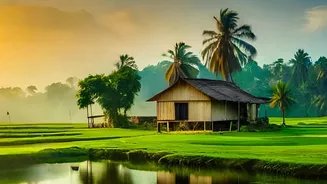
In South Sikkim, near Ravangla, lies the picturesque Bhutia village of Kewzing. This hamlet, whose name means 'Land of Wheat Fields', offers spectacular views of Mount Narsing and Mount Kabru. The community here, with support from local NGOs, has successfully developed a sustainable village tourism model. Visitors stay in traditional homestays, experiencing the warm hospitality of Bhutia families and enjoying home-cooked meals. The focus is on authentic experiences, from village walks through lush cardamom plantations to bird watching in the forests that are home to over 200 species. By choosing to stay in Kewzing, travellers directly support the local economy and the preservation of its cultural traditions.
Barsey Rhododendron Sanctuary: A Floral Paradise
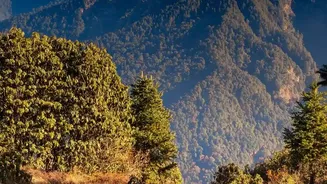
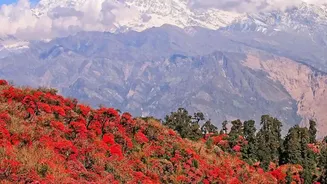
While Yumthang Valley is famously known as the 'Valley of Flowers', the Barsey Rhododendron Sanctuary in West Sikkim offers a more secluded but equally stunning floral spectacle. Especially from March to May, its trails are ablaze with the vibrant colours of blooming rhododendrons. This sanctuary is a trekker's delight, with gentle paths winding through forests of oak and magnolia. Unlike more commercialised spots, the infrastructure here is minimal, with basic trekkers' huts and homestays in nearby villages like Okhrey and Hilley. This approach ensures the sanctuary remains an unspoiled habitat for diverse fauna, including the elusive Red Panda, and a tranquil escape for nature lovers.