



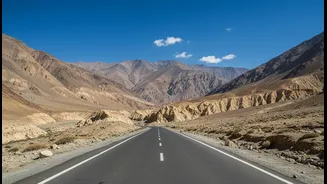


The Perfect Mid-Year Escape
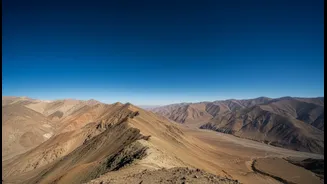
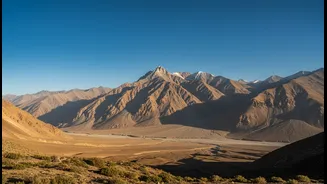
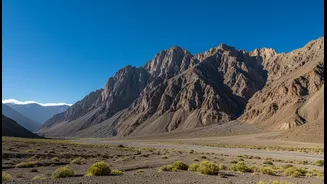
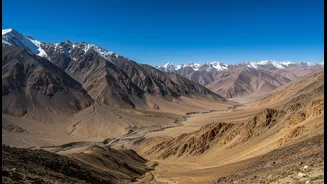
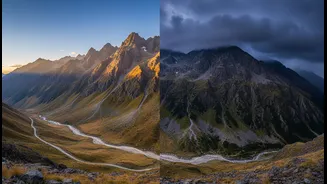
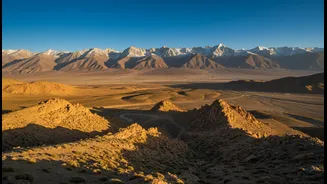
July is a golden window for exploring the trans-Himalayan region. While much of the country is drenched in rain, Spiti and Ladakh remain mostly dry and sunny. Daytime temperatures are pleasant, ranging from 15°C to 25°C, making it ideal for sightseeing
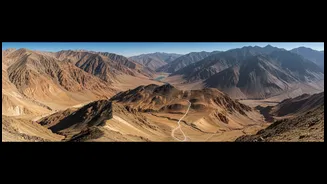
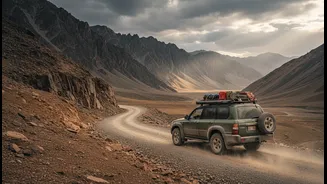
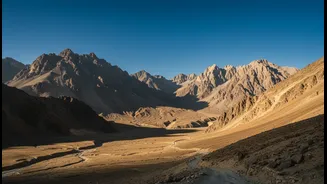
and road trips. Most importantly, the high-altitude passes that connect these valleys to the rest of the country, such as Rohtang and Kunzum La, are reliably open, allowing for the iconic road journeys that define a trip here. The legendary Manali-Leh highway, a bucket-list item for many, is in its peak season condition, offering thrilling drives and breathtaking vistas.
Ladakh: Grand Vistas and Vibrant Culture
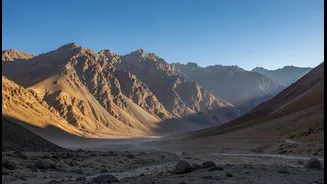
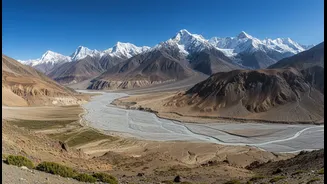
Ladakh's appeal lies in its grand, cinematic landscapes and well-established tourism infrastructure. You can fly directly into Leh, saving time and making it more accessible for families or those on a shorter schedule. From the bustling markets of Leh town, journeys unfold to the surreal turquoise of Pangong Tso and the dunes of Nubra Valley, home to the double-humped Bactrian camels. Though July is a peak month and popular spots can be busy, the vastness of the region means tranquility is never far away. Monasteries like Thiksey and Hemis offer profound cultural immersion, echoing with centuries of Buddhist heritage.
Spiti: Raw Beauty and Intimate Experiences
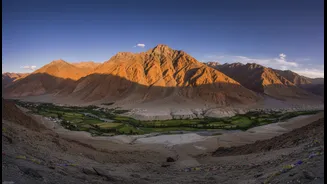
For those seeking a quieter, more rugged adventure, Spiti Valley is the answer. Unlike Ladakh, Spiti cannot be reached by air; the journey itself is a core part of the experience. The circuit, typically done via Shimla and Kinnaur or from Manali, is a slow, rewarding drive through deep gorges and past cliffside villages. The landscape here feels more intimate and raw. Spiti is a land of ancient monasteries like Tabo and Key, some of the oldest in the Tibetan Buddhist world. Accommodation is centered around homestays, offering travellers a chance for genuine cultural exchange and to support local communities directly.
Planning Your High-Altitude Journey
A trip to this region requires careful planning. Acclimatisation is the most critical factor for a safe journey. Spending at least a day or two resting at high-altitude hubs like Leh (3,500m) or Kaza (3,800m) before ascending further is non-negotiable to prevent Acute Mountain Sickness (AMS). While Indian citizens do not need an Inner Line Permit for most of Spiti Valley, one is required for restricted areas in Ladakh like Nubra Valley and Pangong Tso. If driving from Manali, a permit for the Rohtang Pass is also necessary for your vehicle. Always carry a valid government-issued photo ID.
Travel with a Conscience
The growing popularity of Spiti and Ladakh brings with it a responsibility. The fragile ecosystem is under pressure from increased tourism. Travellers are urged to adopt a 'Leave No Trace' philosophy by carrying back all non-biodegradable waste, especially plastics. Opting for homestays over large hotels, using local guides and drivers, and purchasing authentic handicrafts directly supports the local economy. Respect for local customs is paramount; dress modestly, always ask for permission before photographing people, and observe the rules of conduct inside monasteries.