





The Nutritional Downside of Cereal
For decades, boxed cereals were marketed as the ultimate modern, convenient, and healthy start to the day. However, a closer look at the nutrition label tells a different story. Many popular cereals are highly processed, stripping the grains of essential
nutrients like fibre and B-vitamins. To compensate, manufacturers fortify them with artificial vitamins and minerals. The bigger concern for health-aware consumers is the high sugar content. Sugar is often one of the top three ingredients, leading to a rapid spike and subsequent crash in blood sugar levels, which can leave you feeling hungry and lethargic shortly after your meal. In contrast, a traditional Indian breakfast is often a more balanced and sustaining option.
The Power of a Traditional Plate
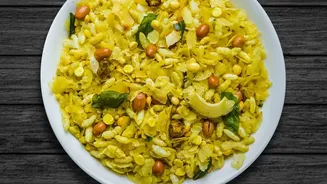
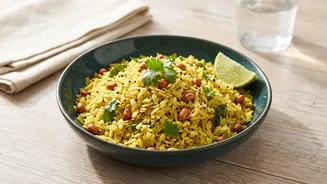
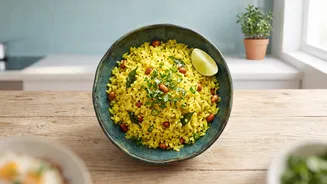
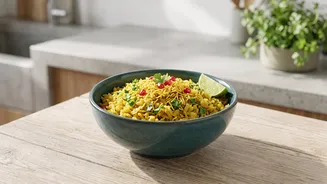
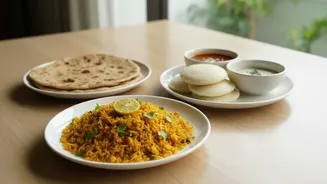
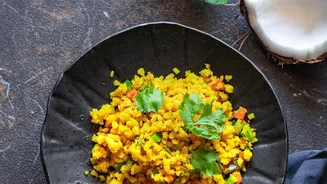
A simple bowl of poha or a plate of idli with sambar is a nutritional powerhouse. These dishes offer a natural balance of complex carbohydrates for sustained energy, protein, and healthy fats. Poha, or flattened rice, is rich in iron, low in calories, and easy to digest. When cooked with vegetables and peanuts, it becomes a complete meal. Similarly, fermented dishes like idli and dosa are excellent sources of probiotics, which are crucial for good gut health. These meals aren't just about individual nutrients; they are complete food ecosystems that have been perfected over generations to be both nourishing and satisfying.
A Return to Cultural Roots
The shift away from packaged goods is about more than just health; it's also a cultural reclamation. For many young adults, choosing a traditional breakfast is a way to connect with their heritage. After a period where Western foods were seen as a symbol of upward mobility, there's now a growing pride in local culinary traditions. This trend is amplified by social media, where food influencers and wellness advocates champion the benefits and beauty of regional Indian cuisine. They are making ancestral recipes aspirational again, proving that what's traditional can also be modern and cool.
Mindful Eating and Ingredient Transparency
Today’s young consumers are more inquisitive and discerning than ever. They want to know what’s in their food and where it comes from. This desire for transparency makes them wary of long, complicated ingredient lists filled with preservatives and artificial additives often found in packaged foods. A home-cooked breakfast offers control and peace of mind. Preparing a meal with fresh, locally sourced ingredients feels more authentic and aligns with a broader wellness philosophy that values whole foods over processed alternatives. It’s a form of self-care, a mindful ritual to start the day on the right note before the chaos begins.