







The City’s Unsung Heroes
Every city has a network of drains designed to carry rainwater away from streets and homes. In coastal cities, this system has a critical final checkpoint: the drainage outfall. Think of it as the final exit door, the point where all the collected stormwater
from a complex web of pipes and channels is discharged into the sea, a river, or an estuary. These outfalls are the last line of defence against inundation. When they work, rainwater flows out, and life goes on. When they fail, the entire system backs up, with devastating consequences for the city. In low-lying coastal areas like Mumbai and Chennai, these outfalls are even more critical, as high tides can push seawater back into the drainage system, making efficient discharge essential.
How a Drain Becomes a Dam
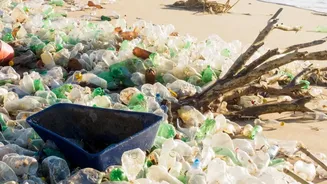
The biggest threat to these vital outfalls is waste. Tonnes of uncollected plastic, construction debris, silt, and household garbage find their way into the drainage network. This assortment of refuse travels through the pipes and accumulates at the outfalls, creating stubborn blockages. Plastic bags and bottles are particularly notorious culprits; they don't break down and can form impermeable barriers that effectively dam the drainage system. In many Indian cities, solid waste is estimated to reduce the carrying capacity of drainage canals by 30% or more, even before considering silt. This gradual choking of the system often goes unnoticed during dry weather, but it sets the stage for disaster when the monsoon arrives.
The Cascade of Urban Failure
When an outfall is blocked, there is nowhere for the rainwater to go. As heavy rains pour down, the drainage system, unable to discharge its load, begins to overflow. The first sign is waterlogging on the streets, but it quickly escalates. Water starts flowing back into smaller drains, causing widespread flooding in residential and commercial areas. This isn't just an inconvenience; it's a full-blown crisis. Flooding paralyses transportation, damages property and critical infrastructure, and creates severe public health risks as sewage mixes with floodwaters, spreading waterborne diseases. The economic cost is immense, but the disruption to daily life and the toll on vulnerable communities living in low-lying areas is even greater. This is a recurring tragedy in cities like Mumbai, Chennai, and Delhi.
Restoring the Flow, Rebuilding Resilience
This is where the simple, repetitive act of clearing waste becomes a powerful tool for building flood resiliency. 'Resilience' is a city's capacity to survive, adapt, and grow despite shocks and stresses like extreme weather. By systematically desilting drains and removing garbage from outfalls, municipalities restore the system's designed capacity. This pre-monsoon cleaning is a race against time, ensuring that when heavy rains do arrive, the city’s arteries are clear and can handle the flow. A clean drainage system allows water to move away quickly, drastically reducing the chances of widespread flooding. It's a direct and effective way to bolster a city's defences, turning a vulnerable system back into a functional one.
Beyond the Annual Cleanup
While pre-monsoon cleaning is essential, it is a reactive measure. True, long-term flood resiliency requires a more holistic approach. This includes better solid waste management at the source to prevent trash from entering drains in the first place. It means upgrading colonial-era drainage infrastructure that is no longer adequate for modern cities and increased rainfall intensity. It also involves protecting and restoring natural sponges like wetlands and lakes, which absorb excess water naturally. Public awareness campaigns and community participation are also key, as individual actions collectively impact the entire system. Ultimately, clearing outfalls treats the symptom, but building a truly resilient coastal city means tackling the root causes of urban waste and outdated infrastructure.