

Your New Hobby Needs No Telescope
For many, the idea of astronomy conjures images of expensive, complicated telescopes. While that’s one way to explore the stars, it’s no longer the only way. Modern smartphone apps have democratised skywatching, making it an accessible hobby for anyone
with a curious mind. These apps use your phone’s built-in sensors—the GPS, compass, and gyroscope—to create a real-time map of the sky. By simply holding your phone up, you can identify stars, constellations, and even planets that are invisible to the naked eye. This technology, known as augmented reality (AR), overlays information directly onto your view, turning a blanket of mysterious lights into a familiar celestial neighbourhood. For a beginner, this is a game-changer. There's no need to learn complex star charts or astronomical coordinates. Your journey into the cosmos can begin tonight, for free, right from your own balcony or backyard.
Top Apps to Guide Your Gaze
Choosing the right app can feel overwhelming, but a few stand out for their user-friendly design and powerful features. For beginners, Star Walk 2 is a fantastic option. Its clean interface and beautiful AR overlays make identifying celestial objects intuitive and fun. Another excellent free choice is SkyView Lite, which also uses AR to help you pinpoint planets, stars, and satellites, and it can function without a Wi-Fi or GPS signal. For those wanting a highly realistic depiction of the night sky, Stellarium Mobile is often considered a gold standard, offering a massive catalogue of stars and deep-sky objects even in its free version. Many of these apps also feature a "Time Travel" function, allowing you to see the sky's configuration on any given date, which is perfect for planning ahead.
Finding the Giants: Jupiter and Saturn
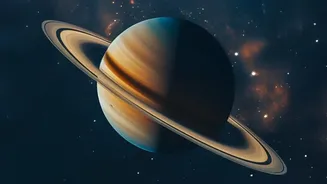
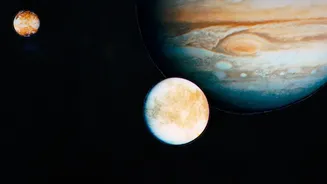
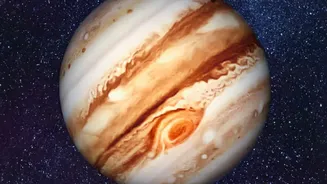
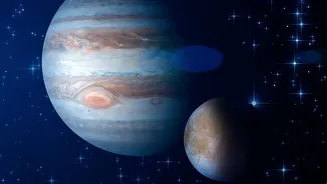
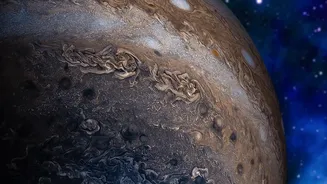
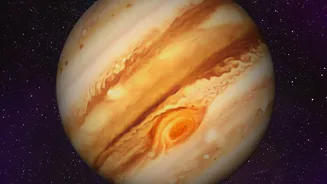
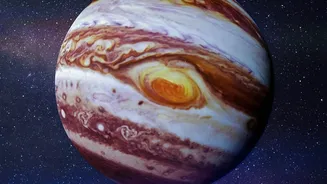
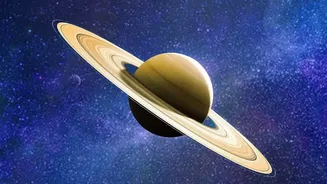
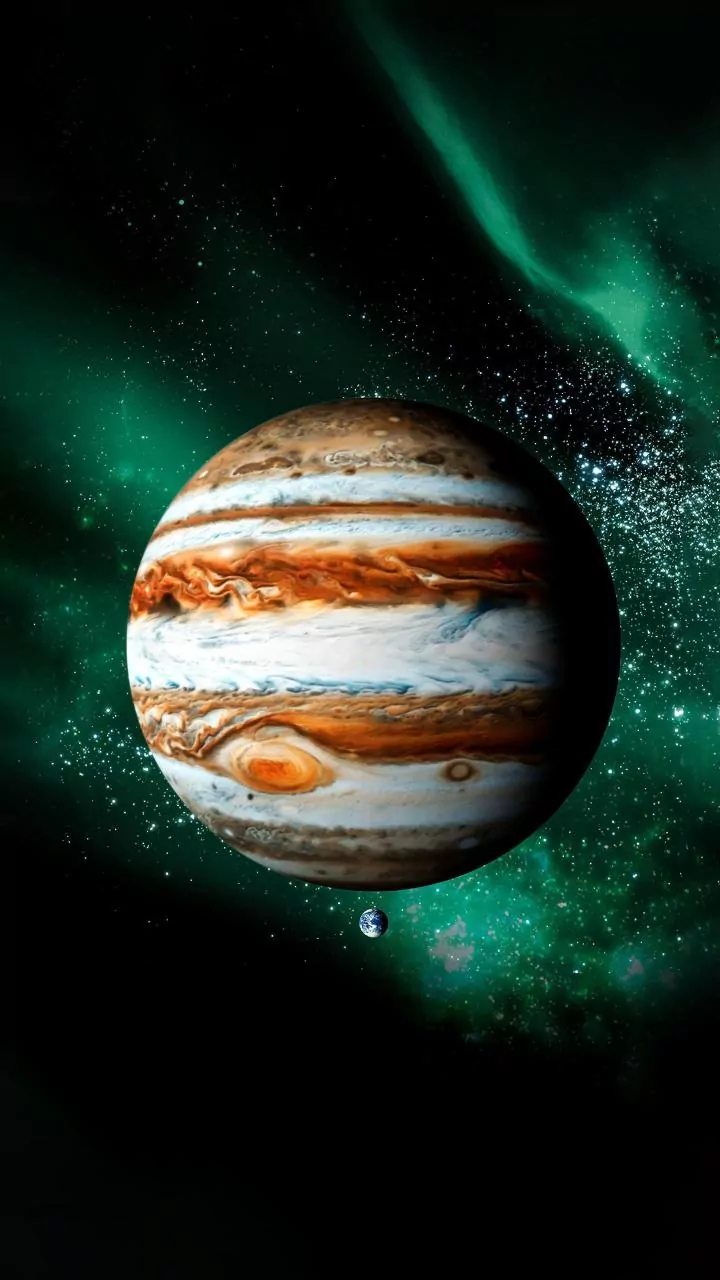
Jupiter and Saturn are two of the most rewarding objects for a novice skywatcher. To find them, simply open your chosen app and use its search function. Type in "Jupiter" or "Saturn," and an arrow will typically appear on your screen, directing you to where the planet is located in the sky. As you move your phone, the app will guide you until the planet is centered in your view. For late August and September 2026, Saturn is the star of the show. It is well-positioned for viewing for most of the night, rising earlier each evening. Jupiter, on the other hand, is a pre-dawn target, rising in the early morning hours just before sunrise. While a telescope reveals Saturn's famous rings, even with the naked eye or binoculars, it appears as a bright, steady, yellowish point of light. Jupiter is also intensely bright. The apps will help you distinguish them from twinkling stars, as planets shine with a more constant light.
Catch the International Space Station
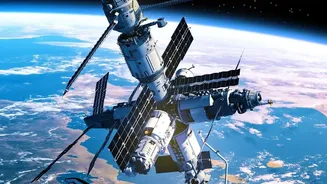
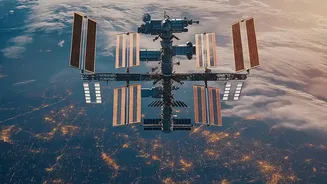
Spotting the International Space Station (ISS) is a unique thrill—you're watching a football-field-sized laboratory with astronauts on board hurtling across the sky. Because its path is so specific, dedicated apps or features are your best bet. NASA's official Spot The Station app is designed for this exact purpose, providing alerts for when the ISS will be visible from your precise location. Other general stargazing apps like Star Walk 2 and SkySafari also offer satellite tracking and notifications. When you get an alert, head outside and look in the direction indicated. The ISS looks like a very bright, fast-moving star and does not blink like an airplane. It typically takes a few minutes to travel from one horizon to the other. Seeing it glide silently overhead is a memorable experience, connecting you directly to the human endeavor in space.
Simple Tips for Better Viewing
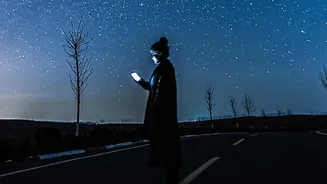
To make the most of your skywatching session, a little preparation goes a long way. First, try to get away from bright city lights. The darker your surroundings, the more you will see. Even a local park can be a significant improvement over a brightly lit street. Second, give your eyes time to adjust. It can take up to 20 minutes for your eyes to fully adapt to the dark, so avoid looking at your bright phone screen more than necessary. Many apps have a red-light "night mode" that helps preserve your night vision. Finally, check the weather forecast. Clouds are the ultimate obstacle for any astronomer. A clear, moonless night is the perfect canvas for your celestial exploration. Don't forget to dress for the weather, as you may be standing still for a while as you take in the sights.