








The Pavlovian Response to Petrichor
For countless Indians, the connection between rain and these specific snacks is a bond forged in childhood. Psychologists call it associative learning. When two experiences—like the smell of wet earth (petrichor) and the taste of hot, crispy pakoras—repeatedly
happen together, the brain links them. Over years, the rain itself becomes a trigger, sparking a craving that feels less like a choice and more like a necessity. It’s not just about the food; it's about nostalgia. The craving can be for the feeling of comfort, the memory of family gathered by a window, or the simple joy of a shared ritual that makes a grey day feel brighter.
The Science of Comfort Food
Beyond personal memories, there's a biological basis for our desire for comfort foods. When we're stressed or our mood is low, our brains often seek a quick fix. Foods high in carbohydrates and fats can do just that. Eating carbohydrates can promote the production of serotonin, a neurotransmitter that helps regulate mood and creates a feeling of calm and happiness. Meanwhile, indulging in foods we find rewarding triggers the release of dopamine, the brain's "pleasure chemical." This chemical cocktail provides a temporary sense of relief and well-being, reinforcing the behaviour and making us reach for the same foods the next time we need a lift.
Why Rain Triggers the Urge
Rainy weather creates a perfect storm for comfort food cravings. The drop in temperature makes our bodies crave warmth, and eating hot food is a simple way to help regulate our internal thermostat and feel cosy. Furthermore, gloomy, overcast days mean less sunlight, which can lead to a dip in serotonin levels. This dip can make us feel tired or a little down, prompting our brains to seek out carbohydrates to boost serotonin production and lift our spirits. The result is a powerful, physiologically-driven desire for something warm, carby, and satisfying.
Deconstructing the Perfect Pair
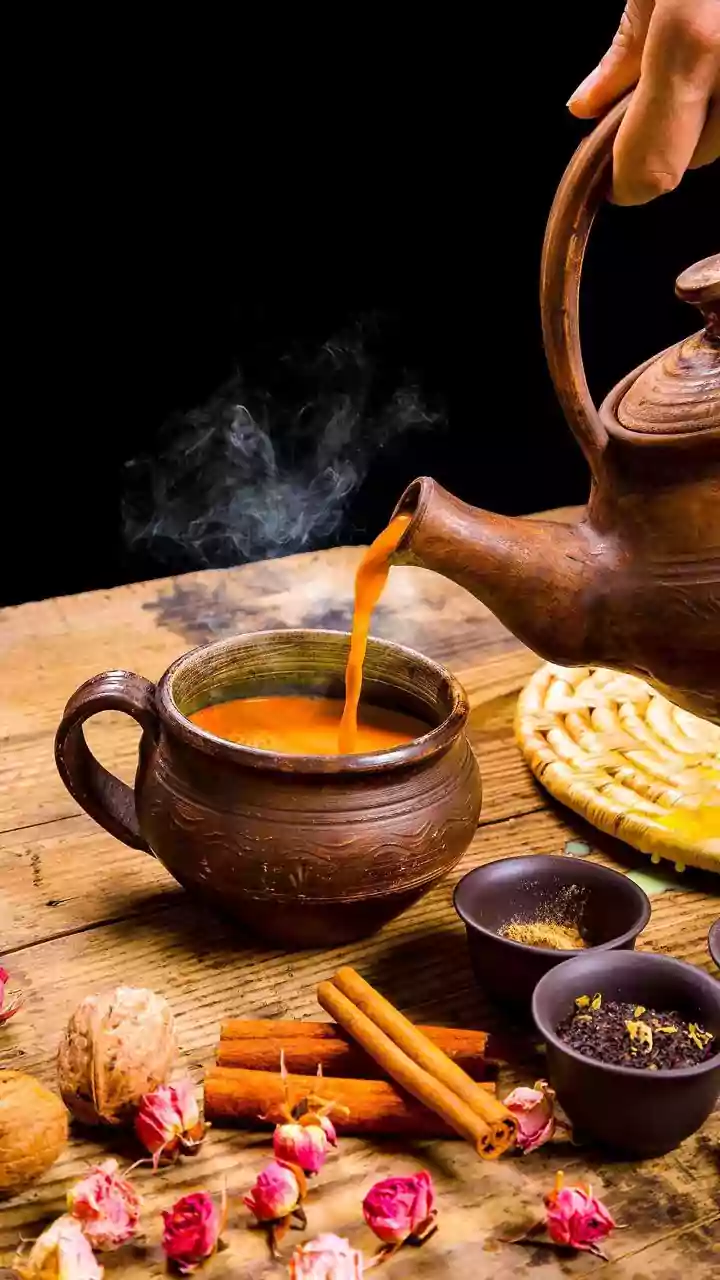
So, why chai and pakoras specifically? This duo is a sensory and nutritional masterpiece of comfort. Pakoras are deep-fried, making them rich in the fats and carbohydrates the brain craves. The gram flour batter, spices, and vegetables offer a complex flavour and a satisfyingly crispy texture that contrasts wonderfully with the damp, cool weather. The chai, meanwhile, delivers warmth and a gentle caffeine lift. If it's a sweet, milky masala chai, the sugar provides a quick energy spike, while spices like ginger and cardamom can aid digestion and have anti-inflammatory properties. Together, they hit all the right notes: hot, spicy, sweet, salty, and crispy, creating a powerful sensory experience that feels deeply comforting.
Evidence, Habits, and Health
While the science provides a compelling explanation, it's crucial to remember that comfort eating is complex. The headline's caution that "evidence still matters" is a reminder that these cravings are a mix of biology, psychology, and habit. While satisfying the occasional craving is a joyful part of life, it's also true that pakoras are typically deep-fried, often in reused oils which can contain unhealthy trans fats. Some nutritionists note that tannins in tea can slightly inhibit the absorption of certain nutrients, like iron. However, the cultural and emotional satisfaction this combination provides is undeniable. The key, as with any indulgence, lies in moderation. Healthier preparations, like air-frying or baking pakoras, can offer a way to enjoy the tradition without the heavy feeling afterward.