


More Than Just Decoration
The boom in indoor gardening isn't a sudden phenomenon, but it certainly accelerated over the past few years. Confined to our homes, many of us began looking for ways to make our spaces more liveable and vibrant. What started as a simple desire to bring
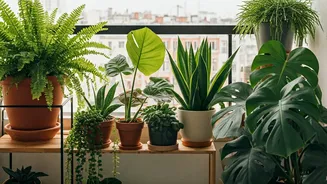
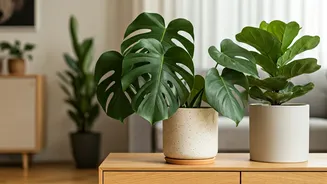
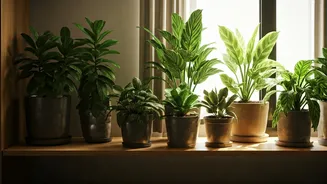
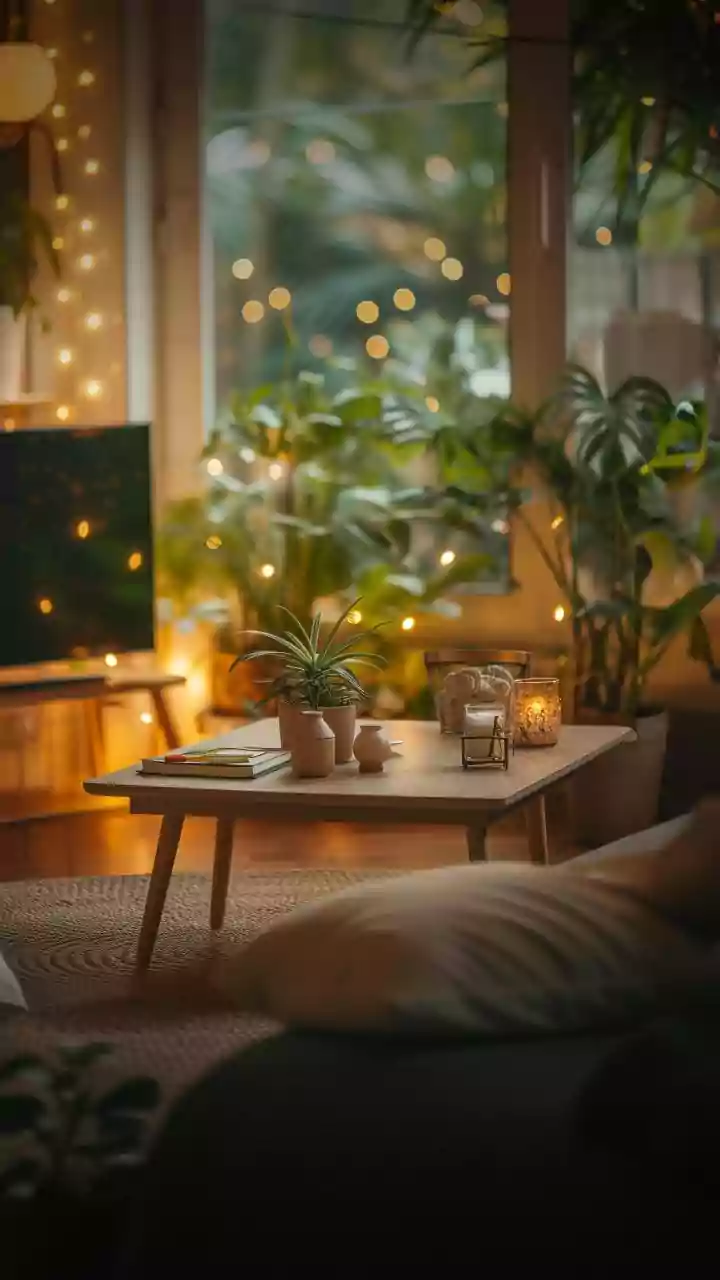
a bit of the outdoors in has blossomed into a full-blown cultural movement. From sprawling monsteras to resilient snake plants, greenery has become a defining feature of the modern urban home. This isn't just about aesthetics; it's a response to a deeper, collective need for connection, wellness, and a touch of the natural world in our increasingly digital and confined lives. Plant parents, as they're affectionately known, aren't just decorating—they're curating personal sanctuaries.
A Dose of Nature Indoors
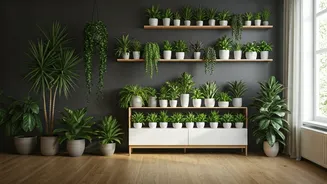
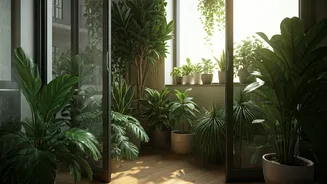
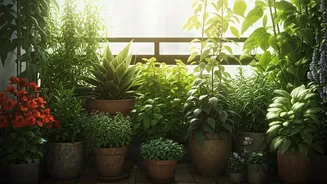
The core driver behind this green wave is a concept known as 'biophilia'—the innate human tendency to seek connections with nature. For city dwellers surrounded by concrete and glass, an apartment jungle offers a vital psychological reset. Studies have consistently shown that the presence of indoor plants can reduce stress, improve concentration, and boost mood. The simple act of looking at greenery can lower cortisol levels, the body's primary stress hormone. In the tight confines of a one-bedroom apartment, a collection of plants can transform a sterile box into a calming oasis. It’s a tangible, accessible way to counter the mental fatigue of urban living, offering a quiet, living presence that asks for little but gives back in mental clarity and air quality.
The Social Media Greenhouse
It’s impossible to talk about the houseplant craze without mentioning social media. Platforms like Instagram and Pinterest have turned plant ownership into a visual art form. Hashtags like #urbanjungle and #plantmom have millions of posts, showcasing beautifully styled interiors overflowing with foliage. This digital ecosystem serves two purposes. First, it provides endless inspiration, turning specific plants like the Pink Princess Philodendron or Variegated Monstera into coveted status symbols. Second, it fosters a sense of community. New plant owners can find a wealth of information, from troubleshooting yellowing leaves to propagation tips, shared by a global network of enthusiasts. This digital support system makes the hobby less intimidating and more interactive, encouraging even complete beginners to start their own green collection.
A Hobby That Cares Back
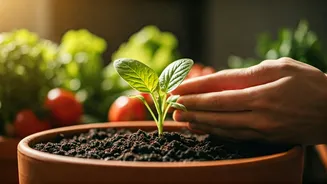
Unlike other hobbies that offer passive consumption, caring for plants is an active, nurturing process. The routine of watering, checking the soil, and watching for new growth provides a gentle, grounding rhythm to the day. In a world where so much feels out of our control, tending to a living thing that depends on you offers a profound sense of purpose and accomplishment. Watching a plant thrive under your care is a uniquely rewarding experience. It’s a slow, quiet achievement in a fast-paced world. This act of nurturing taps into a fundamental human need to care for something, making it a powerful antidote to the anxiety and uncertainty of modern life. It’s a relationship, not just an acquisition.
The Future is Green
While trends come and go, the fundamental drivers behind the houseplant obsession suggest it has staying power. The shift towards remote work means we're spending more time than ever creating homes that double as offices and sanctuaries. The growing awareness around mental health and wellness has cemented the role of nature in our daily lives. While the fervour for rare, expensive collector plants might cool, the basic desire to fill our homes with life is likely here to stay. This movement reflects a broader cultural shift towards slowness, mindfulness, and finding beauty in the small, everyday moments of growth—both for our plants and for ourselves.