



Beyond the Boat Deck
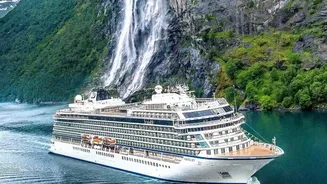
A classic fjord cruise is an unforgettable experience, gliding on still, deep waters beneath mountains that plunge into the sea. However, the journey doesn't have to end at the water's edge. A growing number of tours now integrate land-based activities
to provide a more complete perspective. These multi-activity trips recognize that the full story of the fjords is written not just in the water, but in the surrounding mountains, valleys, and coastal paths. By stepping ashore, travelers can connect with the landscape on a more intimate level. Combining scenic cruises with bus journeys, train rides, and guided hikes allows visitors to appreciate the scale and diversity of these regions, from sea level to mountain summit. Well-known routes like the 'Norway in a Nutshell' tour package this approach, linking travel by train, bus, and boat to create a seamless journey through some of the country's most dramatic scenery.
The Geological Story
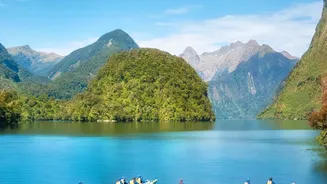
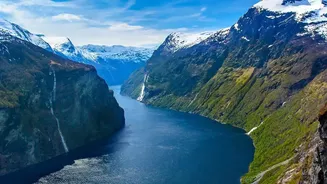
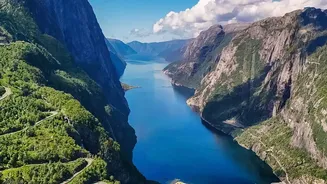
The dramatic beauty of the fjords is the result of immense geological forces. These deep, U-shaped valleys were carved out by massive glaciers over several ice ages. According to geologists, the process took hundreds of thousands of years, as enormous sheets of ice ground their way through pre-existing river valleys, deepening and widening them. When the last ice age ended and the glaciers retreated, the sea rushed in to flood these newly carved troughs, creating the long, narrow inlets we see today. Many tours now incorporate this fascinating history into their itineraries. Guides explain how the landscape was formed, pointing out features like 'hanging valleys'—tributary valleys left high above the main fjord—and explaining why fjords are often deepest far inland and shallower at their mouth. This geological narrative transforms a scenic tour into an educational journey, giving travelers a profound appreciation for the immense power of nature that shaped these landscapes.
Walking the Fjord Coastline
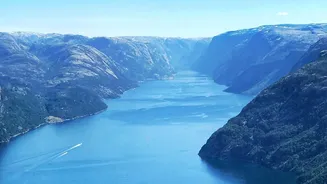
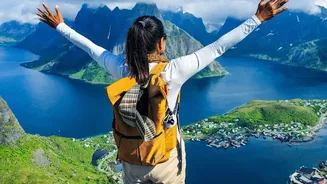
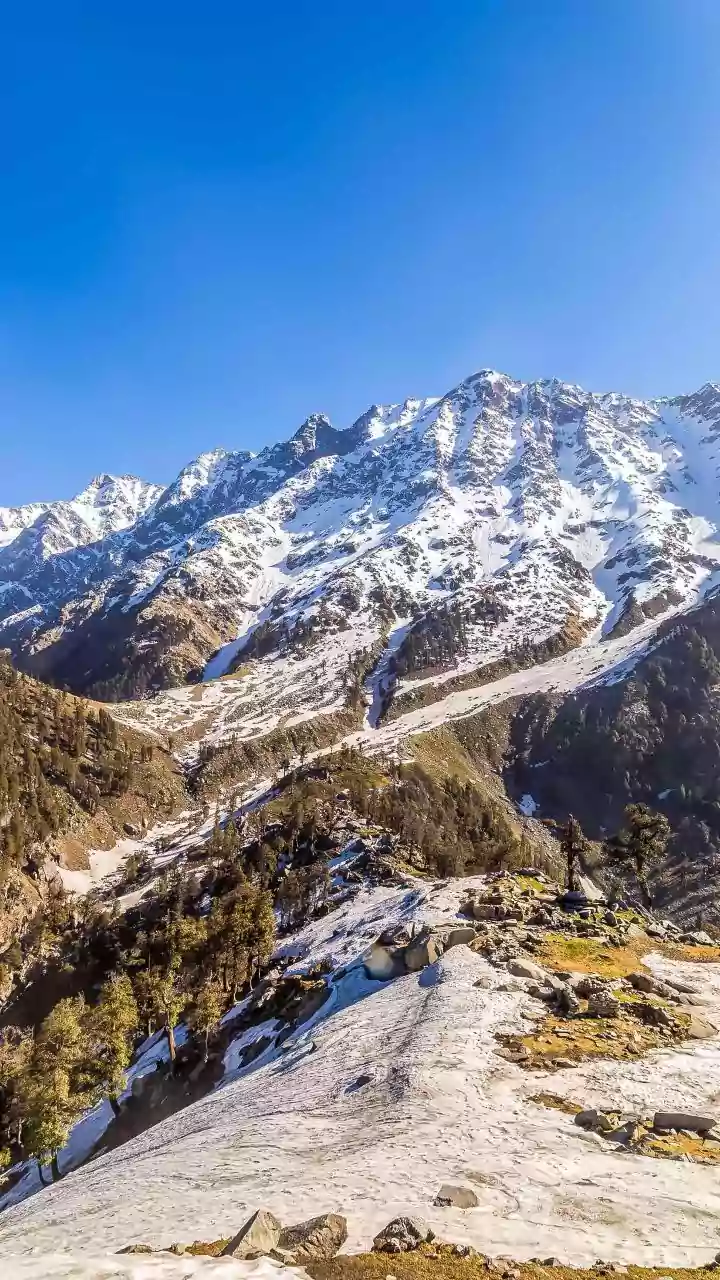
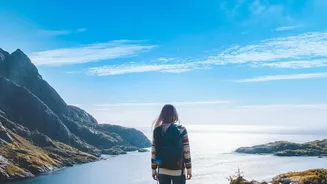
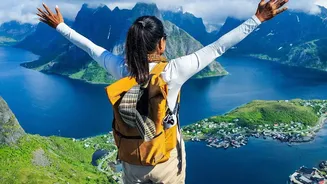
To truly feel the scale of the fjords, you need to walk them. Coastal and mountain hiking is an integral part of the multi-activity experience, with trails ranging from gentle shoreline strolls to strenuous summit treks. Popular hikes like the one to Preikestolen (Pulpit Rock) offer breathtaking, panoramic views from a cliff plateau 604 meters above the Lysefjord. Other famous treks include the challenging full-day hike to Trolltunga ('Troll's Tongue'), a sliver of rock jutting out high above Lake Ringedalsvatnet. Many tours, however, focus on more accessible trails. You might find yourself on a guided walk to a thundering waterfall, through idyllic farmland in a valley, or along a historic path used by farmers for centuries. These walks are not just about the views; they are a chance to breathe the mountain air, discover local flora, and experience the quiet solitude of the landscape far from the crowds.
Norway: The Quintessential Fjord Destination
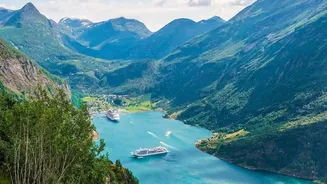
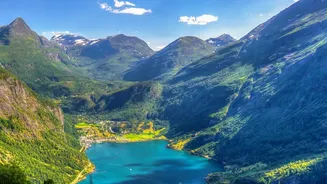
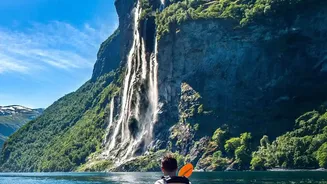
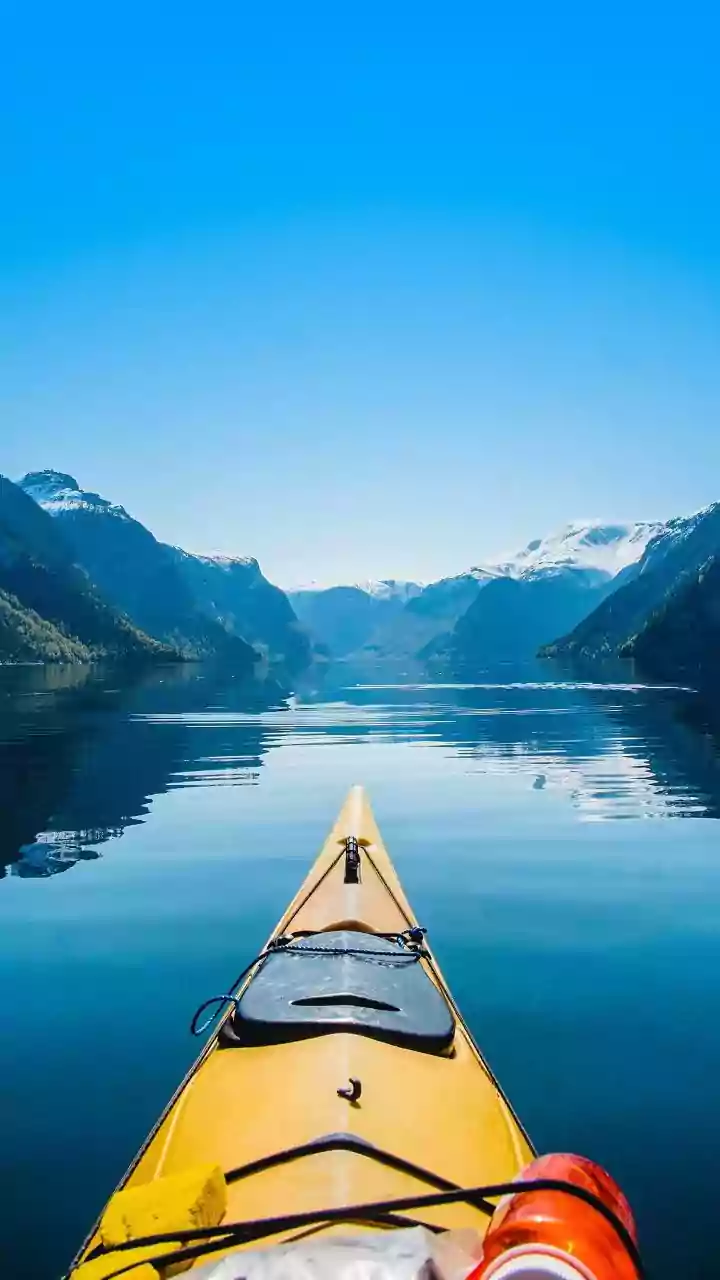
When thinking of fjords, Norway inevitably comes to mind. The country boasts more than 1,000 fjords, including some of the world's most famous. The Sognefjord, Norway's longest and deepest, and the UNESCO-listed Geirangerfjord and Nærøyfjord, are cornerstones of the nation's tourism. Tours here offer a huge variety of experiences. You can cruise silently on electric ferries through the Nærøyfjord, the narrowest fjord in the world, or take the famous Flåm Railway, one of the steepest train lines, which winds its way down from the mountains to the Aurlandsfjord. Many itineraries combine these iconic experiences with bus trips through lush valleys and stops at spectacular viewpoints. Whether you're sea kayaking, glacier hiking, or simply enjoying the view, Norway provides a comprehensive template for the land-and-water fjord experience.
Fjord-Like Landscapes Elsewhere
While Norway is the most famous destination, other parts of Europe offer their own stunning fjord and fjord-like coastal experiences. In Scotland, the deeply indented sea lochs of the western coast were also carved by glaciers and offer dramatic scenery for hikers and kayakers. The Isle of Skye is particularly noted for its magical hiking terrain. Iceland, a land of fire and ice, features dramatic fjords along its east and west coasts, providing a backdrop for exploring volcanic landscapes. Even further south, any Bay of Kotor in Montenegro (often called Europe's southernmost fjord), is a submerged river canyon surrounded by towering limestone cliffs. While geologically a ria (a drowned river valley) rather than a true fjord, its spectacular appearance offers a similar enough experience. These destinations provide excellent alternatives for those looking to explore landscapes shaped by ice and sea beyond Scandinavia.