



The Golden Revival on Menus
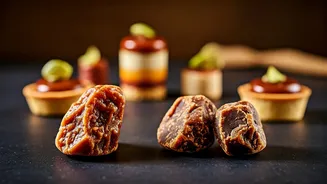
Across India's cities, a quiet but powerful culinary movement is underway. From artisanal ice cream shops in Mumbai to chic bakeries in Bengaluru, chefs and confectioners are turning to an age-old ingredient to create modern marvels. Palm jaggery, the
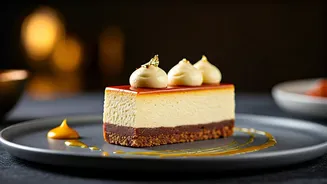
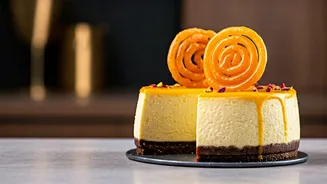
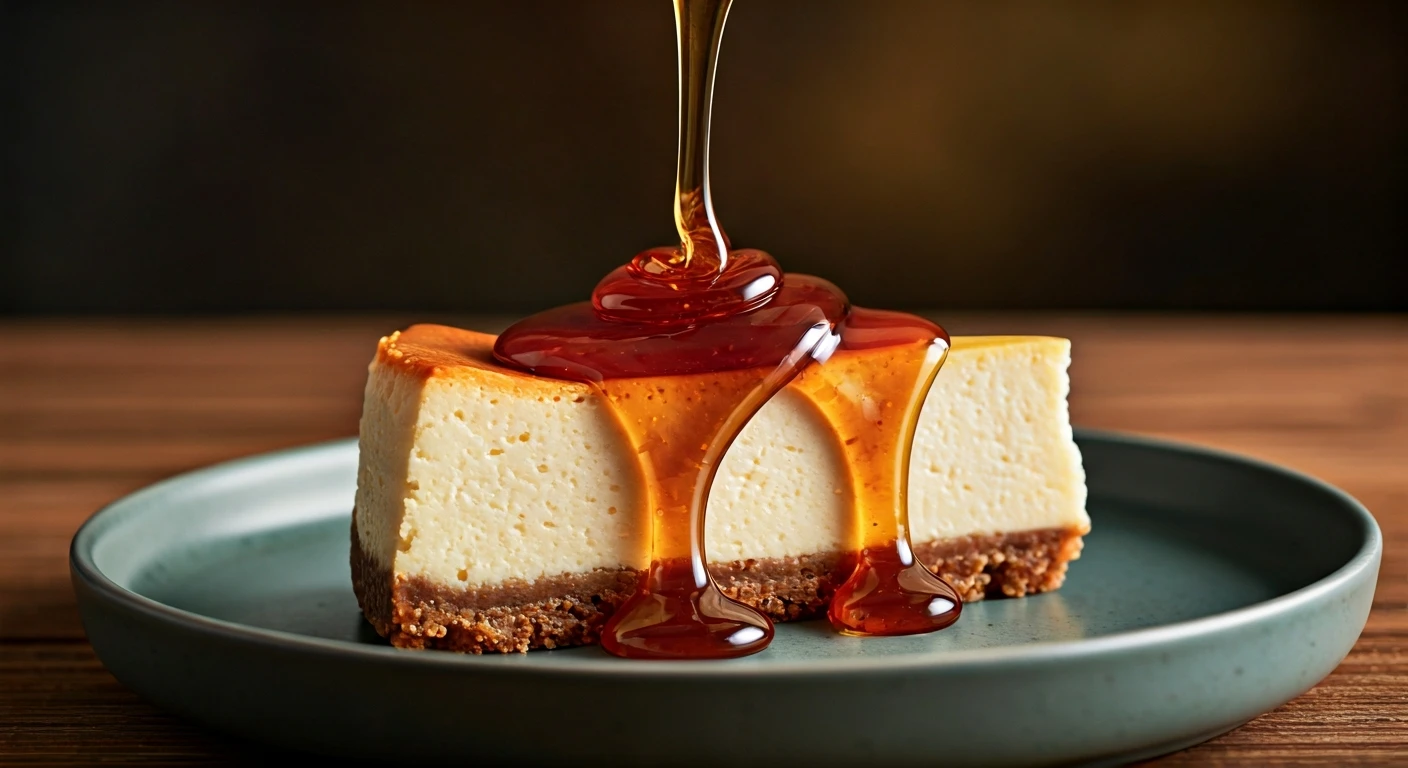
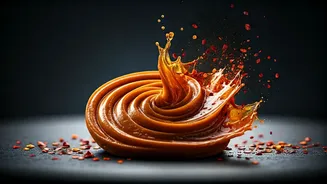
unrefined sweetener with a deep cultural history, is no longer confined to traditional winter sweets. It’s now the star ingredient in cheesecakes, tarts, panna cotta, and salted caramel sauces. Dessert counters that once championed Belgian chocolate or French vanilla are now proudly displaying signs for 'Nolen Gur Cheesecake' or 'Karupatti Ice Cream,' and customers are lining up for a taste of this nuanced, earthy sweetness that feels both nostalgic and refreshingly new.
More Than Just 'Gur'
So, what exactly is this magical ingredient? When we say palm jaggery, we’re often referring to one of two main types. The first is 'Nolen Gur', or date palm jaggery, a seasonal delicacy from West Bengal. Harvested only in winter, its sap is boiled down to create a liquid or solid jaggery with an unforgettable smoky aroma and a flavour reminiscent of caramel and molasses. The second is 'Karupatti' or palmyra palm jaggery, common in South India, particularly Tamil Nadu. It has a richer, more intense, and slightly chocolatey profile. Unlike the common sugarcane jaggery, palm jaggery is less sweet and boasts a more complex, layered flavour that adds depth and character to anything it touches. This complexity is precisely what makes it so appealing to modern palates tired of one-dimensional sweetness.
A Health-Conscious Choice
The surge in palm jaggery’s popularity isn’t just about flavour; it's deeply connected to the growing wellness wave. As consumers become more conscious about what they eat, refined white sugar has become a villain. Palm jaggery, on the other hand, is seen as a more wholesome alternative. It's unrefined, meaning it retains more of its natural mineral content, including iron, magnesium, and potassium. Furthermore, it is often cited for having a lower glycemic index than processed sugar, which means it doesn't cause the same sharp spike in blood sugar levels. This perception allows people to indulge in their favourite desserts with a little less guilt, framing the treat not as a sin but as a more mindful, nourishing choice.
Tradition Meets Innovation
For generations, Nolen Gur was the soul of Bengali sweets like 'sandesh' and 'payesh', while Karupatti was essential for South Indian delicacies like 'payasam' and 'athirasam'. The genius of today’s dessert trend lies in how chefs are taking this traditional ingredient and applying it to global formats. The smoky notes of Nolen Gur are a perfect match for the creamy tang of cheesecake, creating a dessert that is both familiar and exotic. The deep, almost-bitter notes of Karupatti can balance the sweetness in a rich chocolate tart or add a surprising twist to a classic crème brûlée. This fusion honours the ingredient's heritage while giving it a new, exciting platform, proving that tradition and innovation can create something truly spectacular.
The Allure of Authenticity
Ultimately, the palm jaggery trend is about more than just a flavour or a health benefit. It speaks to a larger desire for authenticity and a connection to our roots. In a globalised world, consumers are increasingly drawn to ingredients that have a story, a sense of place, and a connection to local agriculture. Palm jaggery is quintessentially Indian. Its flavour is a taste of the land, of specific seasons, and of time-honoured traditions. By choosing a dessert made with palm jaggery, consumers aren't just eating something sweet; they are participating in a cultural revival, supporting local economies, and savouring a piece of their own heritage.