




The Seat: More Than Just Legroom
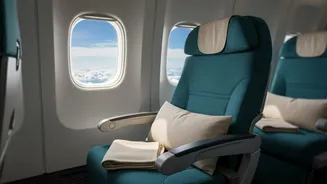
Let’s start with the obvious draw: the seat itself. Premium economy isn't just about a few extra inches of legroom, though the typical 5 to 7 inches of additional pitch is a significant perk. The seats are also generally wider—often by 1 to 2 inches—which
makes a noticeable difference in personal space and comfort, especially on overnight flights. You can also expect a deeper recline, allowing for a more restful sleeping position. Many carriers add adjustable leg rests, footrests, and more substantial headrests, creating a product that is physically distinct from a standard economy seat, not just a slightly more spacious version of it. This dedicated design is the first clue that you're paying for a different class of service entirely.
The Airport Experience: Priority Matters
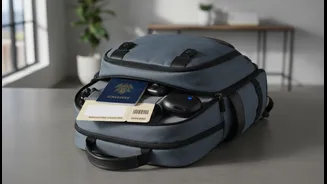
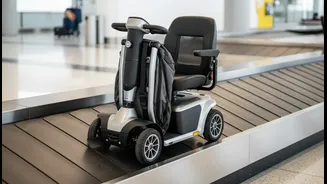
Some of the most valuable perks of premium economy are experienced on the ground, long before you board. Many airlines bundle priority services into the fare. This often includes dedicated check-in counters, saving you from the long queues that can snake through the terminal. You may also get access to faster security lanes and, crucially, priority boarding. This means you get to settle into your seat earlier, stow your carry-on luggage without a fight for overhead bin space, and relax while the rest of the plane boards. Upon landing, priority baggage handling can mean your bags are among the first on the carousel, speeding up your exit from the airport. These time-saving benefits can significantly reduce the overall stress of travel.
Baggage: The Hidden Financial Win
In an era of unbundled fares where every extra costs, the generous baggage allowance of premium economy can represent a tangible financial saving. While a standard economy ticket, especially on international routes, may include one checked bag, premium economy fares often allow for two. For travellers on long trips or those relocating with extra belongings, this can offset a significant portion of the ticket's price premium. A single extra bag on a long-haul flight can cost a substantial amount, so if you know you'll be checking more luggage, this benefit alone might make the upgrade a smart financial move. Both Air India and Vistara, for example, typically offer a more generous allowance for their premium economy passengers.
Onboard Service: A Step-Up in Comfort
Once in the air, the enhanced service becomes apparent. Premium economy is typically located in a smaller, separate cabin, creating a quieter and more exclusive atmosphere with less foot traffic. The service is often more attentive due to a higher crew-to-passenger ratio. Dining is also elevated, with upgraded meal choices often served on real crockery with metal cutlery, accompanied by a wider selection of complimentary beverages, including alcohol. Many airlines provide an amenity kit, even on routes where economy passengers get none. These kits usually contain essentials like socks, an eye mask, and toiletries. Furthermore, the inflight entertainment experience is often enhanced with larger, higher-resolution screens and better-quality, sometimes noise-cancelling, headphones.
The Final Calculation: Is It Worth It for You?
Ultimately, the value of premium economy is a personal equation. For a short domestic flight, the benefits might not justify the cost. But for long-haul international journeys, especially overnight flights where sleep is crucial, the upgrade can be transformative. The cost can be anywhere from 30% to 100% more than an economy fare, so it’s not an insignificant expense. To decide, consider the tangible benefits: would you have paid for an extra checked bag anyway? Add that to your calculation. Then, assign a value to the intangible perks. How much is it worth to you to arrive more rested, less stressed, and ready to start your trip or meeting? For many travellers in India and beyond, that added comfort and convenience are a price well worth paying.