


A New Kind of Traveller
They arrive not in large family groups, but alone. They are often in their early twenties, fresh out of college or taking a break from their first job. For them, travel isn’t about luxury resorts; it's about experience. This new wave of solo youth travellers
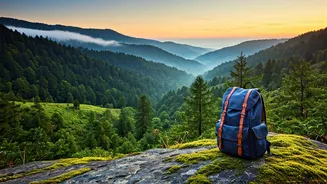
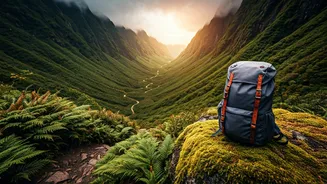
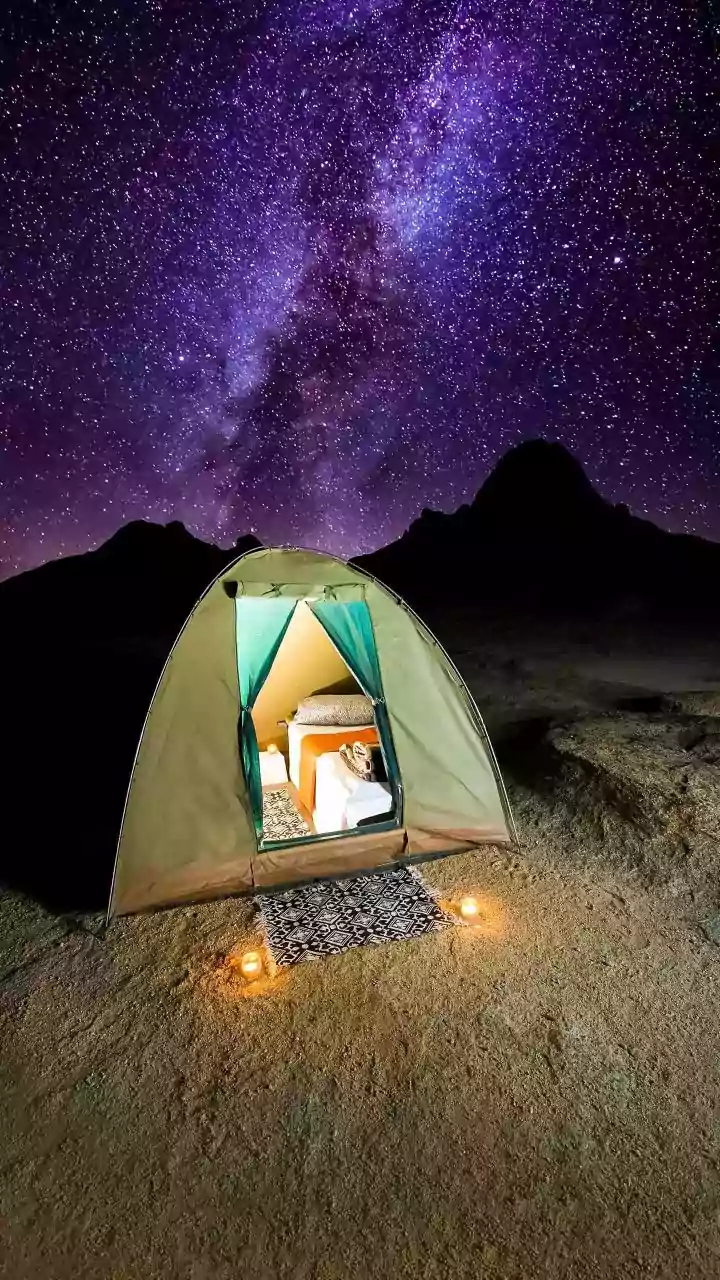
is redefining tourism in states like Meghalaya, Sikkim, Nagaland, and Arunachal Pradesh. Unlike previous generations, their itinerary is flexible, their budget is tight, and their primary goal is immersion. They’re swapping hotel lobbies for common rooms in hostels and homestays, seeking connection with fellow travellers and locals alike. This isn’t just a holiday; for many, it’s a rite of passage, a journey of self-discovery undertaken against the stunning backdrop of India's easternmost frontier.
The Allure of the Unexplored
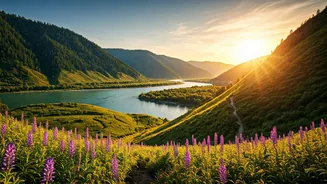
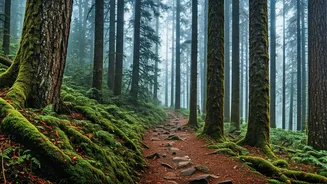
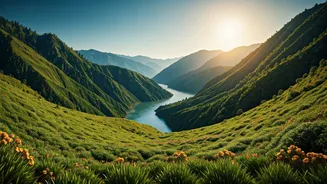
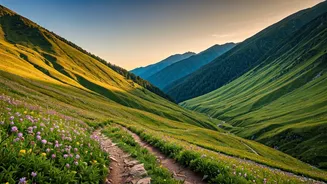
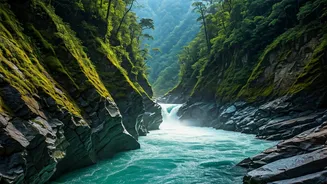
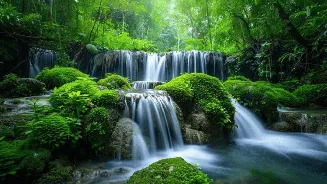
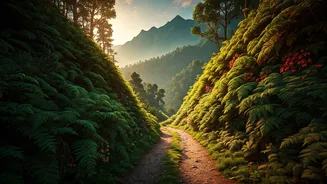
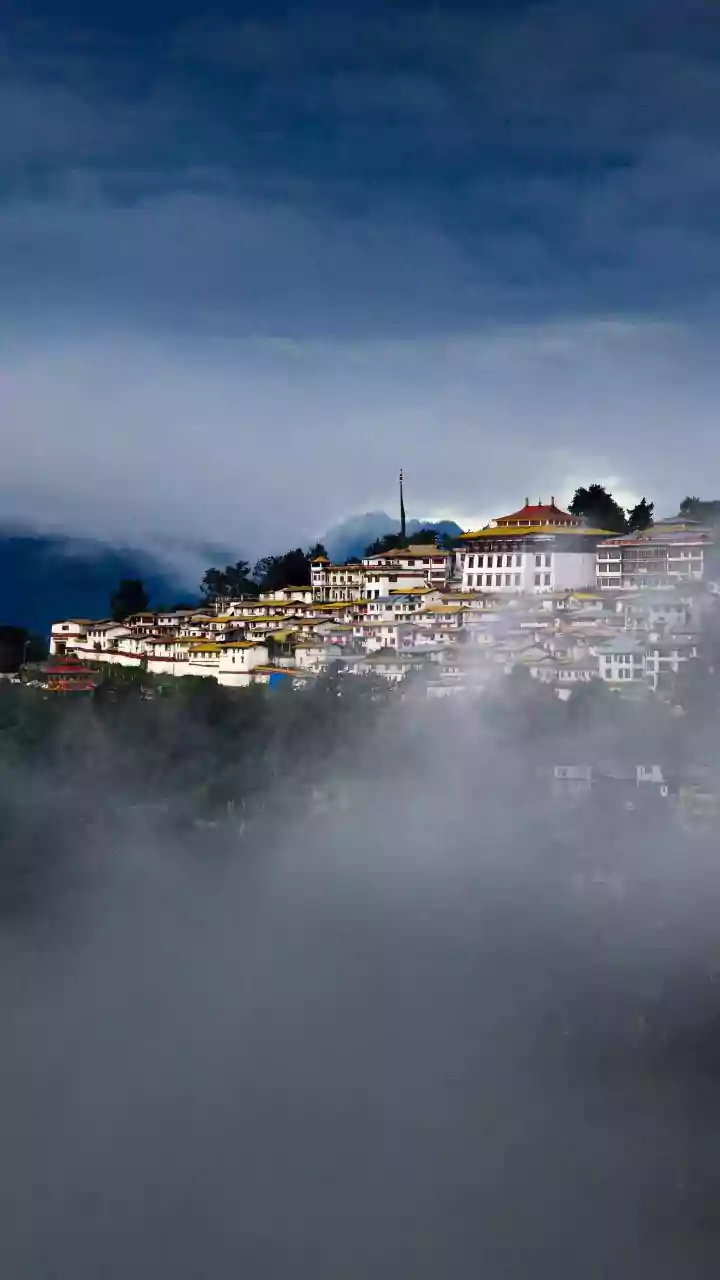
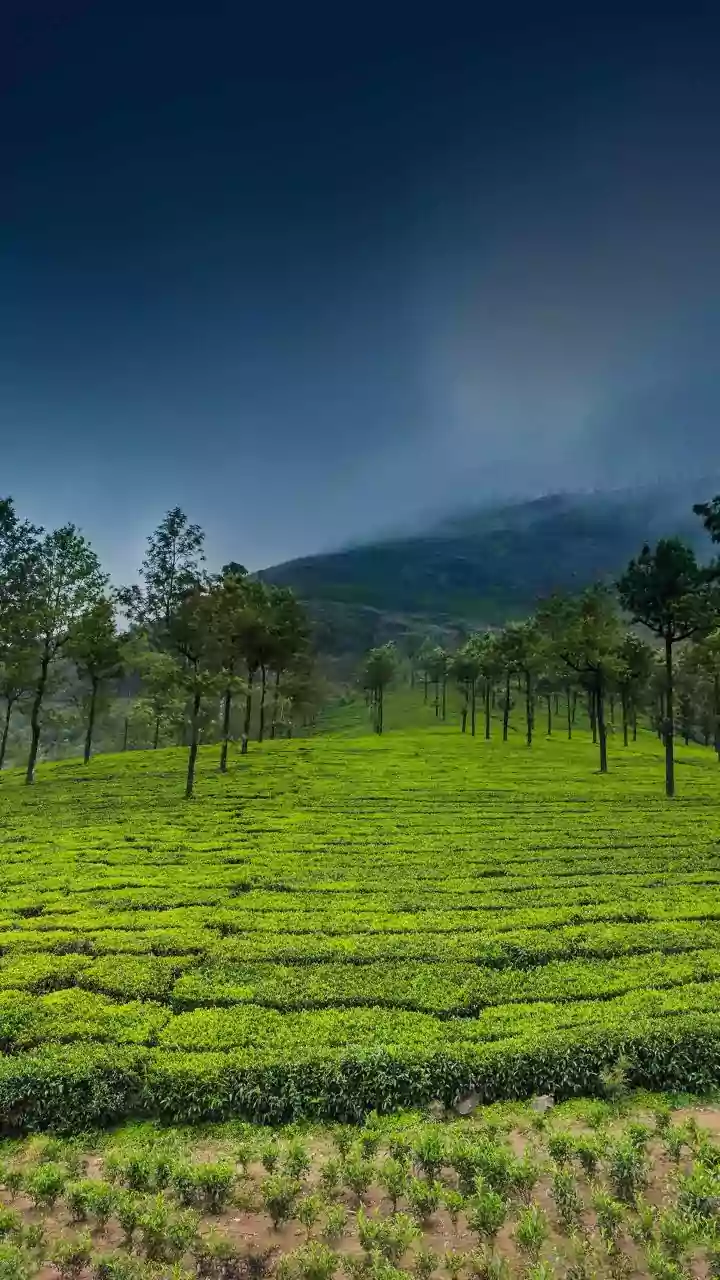
For decades, the Northeast remained on the periphery of the mainstream tourist map. This is now its greatest asset. Young travellers, saturated with the commercialisation of popular destinations, are actively seeking places that feel raw and real. The region offers just that: from the living root bridges of Cherrapunji and the pristine lakes of Tawang to the vibrant tribal cultures of the Hornbill Festival. The appeal lies in its perceived authenticity. It’s a corner of the country that promises genuine adventure—not a packaged tour, but a true exploration. This desire for the ‘un-Googled’ path is a strong driver, pushing young Indians to trade crowded beaches for quiet mountain trails and a chance to see a side of India they’ve only read about.
Fuelled by Digital Connectivity
Ironically, this quest for an offline experience is heavily powered by the online world. Instagram reels of dramatic landscapes in Ziro Valley, YouTube vlogs demystifying the permit process for Arunachal Pradesh, and blogs detailing budget-friendly homestays have made the region more accessible than ever. Social media acts as both inspiration and a practical guide. It has replaced the traditional travel agent. Aspiring backpackers can see, in real-time, that solo travel in the Northeast is not only possible but also incredibly rewarding. This digital word-of-mouth creates a powerful feedback loop: the more people go and share their stories, the more others are inspired to follow, solidifying the region's status as the new capital of cool for Indian backpackers.
Post-Pandemic Wanderlust and Independence
The pandemic forced a collective pause, making many young people re-evaluate their priorities. The long periods of lockdown and remote work fostered a deep-seated desire for freedom, nature, and meaningful experiences. For many, a solo trip is the ultimate expression of this newfound independence. It's a way to reclaim lost time and prove to themselves that they can navigate the world on their own terms. Solo travel forces self-reliance, problem-solving, and introspection—qualities that are highly valued by a generation that feels increasingly untethered from traditional life scripts of a stable job and early marriage. A trip to the Northeast is less about escaping life and more about finding it.
The Rise of a Backpacker Ecosystem
This influx of young travellers has spurred the growth of a supportive local ecosystem. Hip, affordable hostels are popping up in Shillong, Gangtok, and beyond, offering dorm beds, Wi-Fi, and a communal atmosphere. Local entrepreneurs are opening cafes that cater to a modern palate while using local ingredients. A network of shared taxis and reliable bus routes, long used by locals, is now being navigated by backpackers, making the region more budget-friendly. Tour operators are also adapting, offering trekking guides and motorbike rentals instead of all-inclusive family packages. This organic development makes the region more welcoming for solo travellers, ensuring they have the infrastructure they need without sacrificing the sense of adventure they crave.