







From Urban Hustle to Riverside Flow
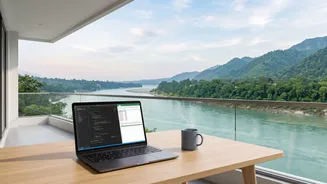
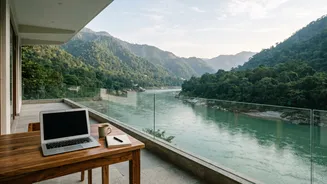
The traditional image of a successful tech career—tethered to a desk in bustling metropolises like Bengaluru, Mumbai, or Delhi—is being rewritten. A new generation of freelancers, developers, and creators is redefining productivity, and their office of choice
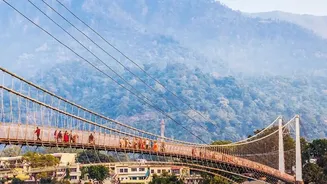
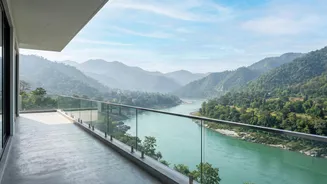
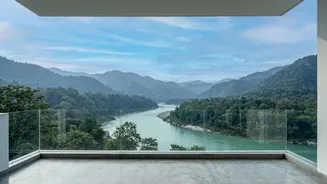
is increasingly a serene balcony in Rishikesh. This shift is more than just a search for scenic backdrops; it represents a deeper quest for a sustainable work-life balance that urban environments often fail to provide. Known globally as the Yoga Capital of the World, Rishikesh is transforming into a buzzing hub for digital nomads. It offers a unique proposition: the ability to meet a demanding project deadline and then, just minutes later, be meditating by the sacred Ganga or attending a sunset aarti. This seamless blend of professional ambition and personal well-being is at the heart of its growing appeal.
The Rise of the Co-Living Community
This trend has been accelerated by the emergence of co-living spaces and work-friendly hostels specifically designed for the modern remote worker. These are not just hotels with Wi-Fi; they are integrated ecosystems fostering both productivity and community. Establishments in quieter areas like Tapovan are particularly popular, offering high-speed internet, power backup, comfortable workstations, and dedicated quiet zones for deep work. Unlike the isolation of a traditional hotel room, these spaces are built around shared experiences. They feature communal kitchens, vibrant common areas, and rooftop cafes that double as coworking spaces. This model allows solo freelancers to network with like-minded individuals from around the globe, sparking collaborations and forming new friendships, turning a work trip into a community experience.
A Day in the Life: Code, Chai, and Chakras
A typical day for a remote worker in Rishikesh looks vastly different from the nine-to-five grind. It often begins with a sunrise yoga or meditation session to clear the mind before logging on. The workday is punctuated not by coffee breaks in a sterile pantry, but by walks along the river or a healthy, Ayurvedic-inspired meal at a local cafe. Many co-living retreats offer structured-yet-flexible schedules that integrate wellness into the workday, with morning yoga, focused work blocks, and evenings free for attending a satsang, sound healing session, or simply watching the Ganga flow by. This rhythm is designed to enhance focus and creativity, proving that productivity doesn't have to come at the expense of peace. Reliable 4G connectivity from providers like Jio and Airtel, coupled with fibre internet in many cafes and retreats, ensures that client calls and project uploads go smoothly.
More Than a Workation: The Practical Realities
While the lifestyle is idyllic, it's also practical. The cost of living in Rishikesh is significantly lower than in major Indian cities, allowing professionals to live well on a modest budget. Accommodation, healthy vegetarian food, and local transport are all affordable, with many co-living spaces offering monthly packages that are far more economical than city rents. However, it's not without its challenges. Internet speeds can fluctuate during peak hours, and the monsoon season can disrupt outdoor plans. But for many, these are minor trade-offs for the immense benefits: cleaner air, a slower pace of life, and a supportive community. The focus is less on a temporary 'workation' and more on creating a sustainable, long-term lifestyle that prioritises mental and physical health alongside career growth.