
Why Millets are a Game Changer
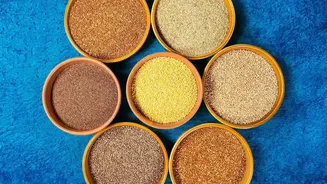
Before we dive into the cooking, let's talk about our star ingredient. Millets are ancient grains that are making a huge comeback, and for good reason. They are naturally gluten-free, packed with fibre, and have a low glycemic index, which helps in managing
blood sugar levels. Unlike rice, millets provide sustained energy, keeping you full and active for longer. They are also incredibly versatile, with different types like foxtail, little, and pearl millet (bajra) offering unique textures and nutritional profiles. By swapping rice for millet, you are not just making a healthier choice; you are preparing a dish that is better for digestion and overall well-being.
The Simple Millet Khichdi Blueprint
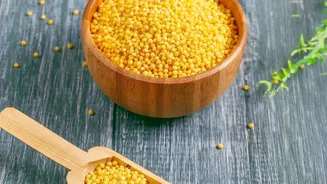
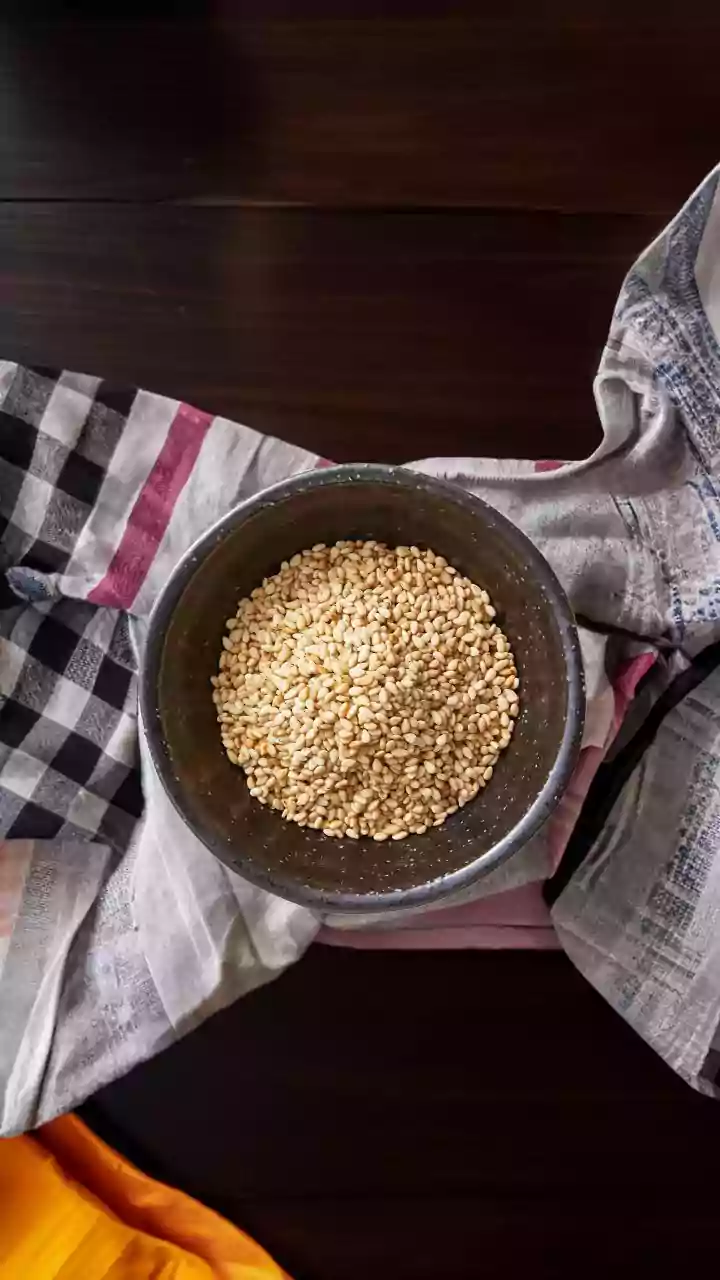
The beauty of khichdi lies in its simplicity. This base recipe is your canvas. We are using foxtail millet and yellow moong dal, a classic combination that is light and easy to digest. Start by washing half a cup of foxtail millet and half a cup of moong dal. Soaking them for 30 minutes is recommended to reduce cooking time. In a pressure cooker, heat a tablespoon of ghee and add a teaspoon of cumin seeds. Once they splutter, add a pinch of asafoetida (hing), half a teaspoon of turmeric powder, and grated ginger. Sauté for a minute, then add the drained millet and dal. Stir for another minute before adding three cups of water and salt to taste. Secure the lid and pressure cook on a medium flame for 2-3 whistles. Let the pressure release naturally. The result will be a creamy, comforting, and perfectly cooked basic millet khichdi.
Regional Twist 1: South Indian Pongal Style
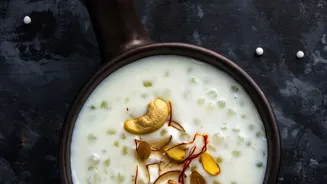
Let's travel south for our first flavour variation, inspired by the iconic Ven Pongal. This version is rich, peppery, and incredibly aromatic. To your base recipe, you will make a special tempering, or 'tadka'. In a small pan, heat a generous tablespoon of ghee. Add a teaspoon of whole black peppercorns, a teaspoon of cumin seeds, a few curry leaves, and a tablespoon of broken cashews. Sauté until the cashews turn golden. Pour this fragrant tempering over your cooked millet khichdi. Mix well and serve hot. The punch from the pepper and the crunch from the cashews completely transform the dish. It is traditionally served with coconut chutney.
Regional Twist 2: Gujarati Vaghareli Khichdi Style
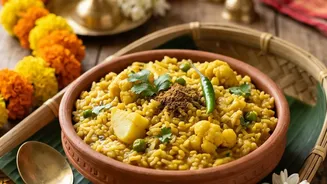
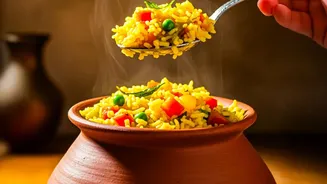
Next, we head to Gujarat for a 'vaghareli' (tempered) khichdi. This version is a colourful one-pot meal, often packed with vegetables. To the base recipe, add chopped vegetables like potatoes, carrots, and peas along with the millet and dal. For the tempering, the 'vaghar', heat ghee and add cumin seeds, a small cinnamon stick, 2-3 cloves, and a dry red chilli. After the spices release their aroma, add them to the khichdi before pressure cooking. A key difference here is the use of a mix of dals, often toor dal along with moong dal, which gives it a distinct texture. This version is often served with a tangy yogurt-based 'kadhi' on the side.
Regional Twist 3: Rustic Rajasthani Bajra Khichdi
For our final twist, we embrace the earthy flavours of Rajasthan with Bajra Khichdi. This is a heartier, more robust version perfect for colder weather. Here, we use pearl millet (bajra), which needs to be soaked for at least an hour, or even overnight. The preparation is wonderfully simple. You cook the soaked bajra with split green moong dal (moong chilka) and salt until it is soft and mushy. The real magic happens at the end. This khichdi is served with a very generous dollop of ghee on top, which is considered essential to its taste and digestion. Common accompaniments include jaggery (gur) and a fiery garlic chutney, creating a perfect balance of sweet, spicy, and savoury.