



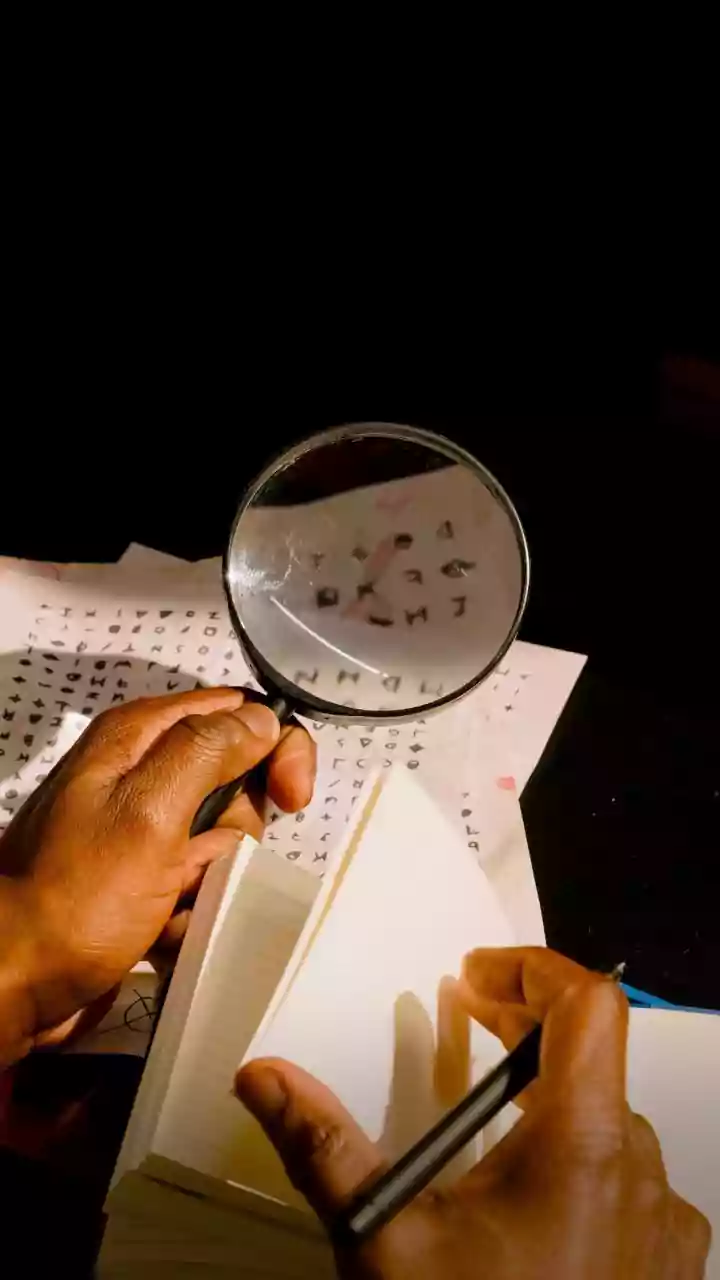



The Rise of AI Hallucinations
Artificial intelligence has become a powerful assistant for researchers, capable of summarizing complex topics and speeding up literature reviews. However, this convenience comes with a significant risk known as AI hallucination. This occurs when a large
language model (LLM) like ChatGPT generates information that appears credible but is factually incorrect or entirely made up. In academia, this often manifests as citations to non-existent studies. These fake references can look perfect, complete with author names, authentic-sounding journal titles, and correctly formatted details, making them difficult to spot. The problem is widespread, with some studies showing a high percentage of AI-generated references are either fabricated or contain significant errors. This flood of phantom knowledge threatens to undermine the integrity of scholarly work, as one wrong citation can discredit an entire argument or propagate misinformation.
Fighting Fire with Fire
In response to this growing crisis, a new practice is taking hold among postgraduate students and researchers: using AI to fight AI. Rather than blindly trusting the output of generative tools, scholars are employing a second layer of AI-powered verification to check their sources. This defensive strategy involves using specialised tools designed specifically to cross-reference citations against vast academic databases. The goal is to catch the 'ghosts' before they make their way into a thesis, dissertation, or published paper. This new step in the research process highlights a fundamental shift in academic practice, where digital literacy now includes the ability to critically evaluate and validate AI-generated content. Academic libraries and institutions are also beginning to play a crucial role by promoting AI literacy and providing guidance on how to use these tools responsibly.
The Scholar’s New Verification Toolkit
A new category of software has emerged to help researchers in this battle for accuracy. Tools like Scite.ai, CiteTrue, and Citely are designed to act as citation checkers. These platforms use advanced algorithms to verify references against authoritative sources such as PubMed, Crossref, and Google Scholar. Some tools go beyond simple verification. For example, Scite.ai analyzes how a paper has been cited by other researchers, classifying citations as supporting, contrasting, or simply mentioning the work, which provides valuable context. Others, like Consensus, synthesize findings from multiple papers to provide an evidence-based answer to a question. These tools empower scholars to not only check if a paper exists but also to gauge its credibility and relevance within the scientific community, adding a crucial layer of quality control to their research workflow.
A Double-Edged Sword
While AI verification tools offer a powerful solution, experts caution that they are not a silver bullet. The very technology that creates convincing fakes is constantly evolving, as are the methods used by so-called 'paper mills'—organizations that produce fraudulent manuscripts for a fee. These mills use AI to generate sophisticated papers that can be difficult to detect, sometimes even creating plausible-sounding data. Relying solely on one verification tool may not be enough. The fundamental skills of a good researcher—critical thinking, careful reading, and manual verification—remain indispensable. Scholars are advised not to trust a citation based only on an AI summary or a clean verification score. The best practice is still to locate the original source document and confirm that it actually supports the claim being made. The use of AI in research is a delicate balancing act between leveraging its power for efficiency and maintaining rigorous standards of academic integrity.