





The Problem with Hangers
It might seem like the most convenient option, but hanging is the number one enemy of a woollen sweater. Gravity is the real adversary here; when a sweater is hung, its entire weight pulls down on the delicate knit structure. This constant pressure strains
the shoulder area, creating those unsightly 'hanger bumps' and permanently stretching the fabric. Over time, the neckline can deform and the entire garment can lose the shape it was designed to have. Heavy or chunky knits are especially vulnerable to this kind of damage. To preserve the integrity and fit of your sweaters, it is always better to fold them.
Master the Art of Folding
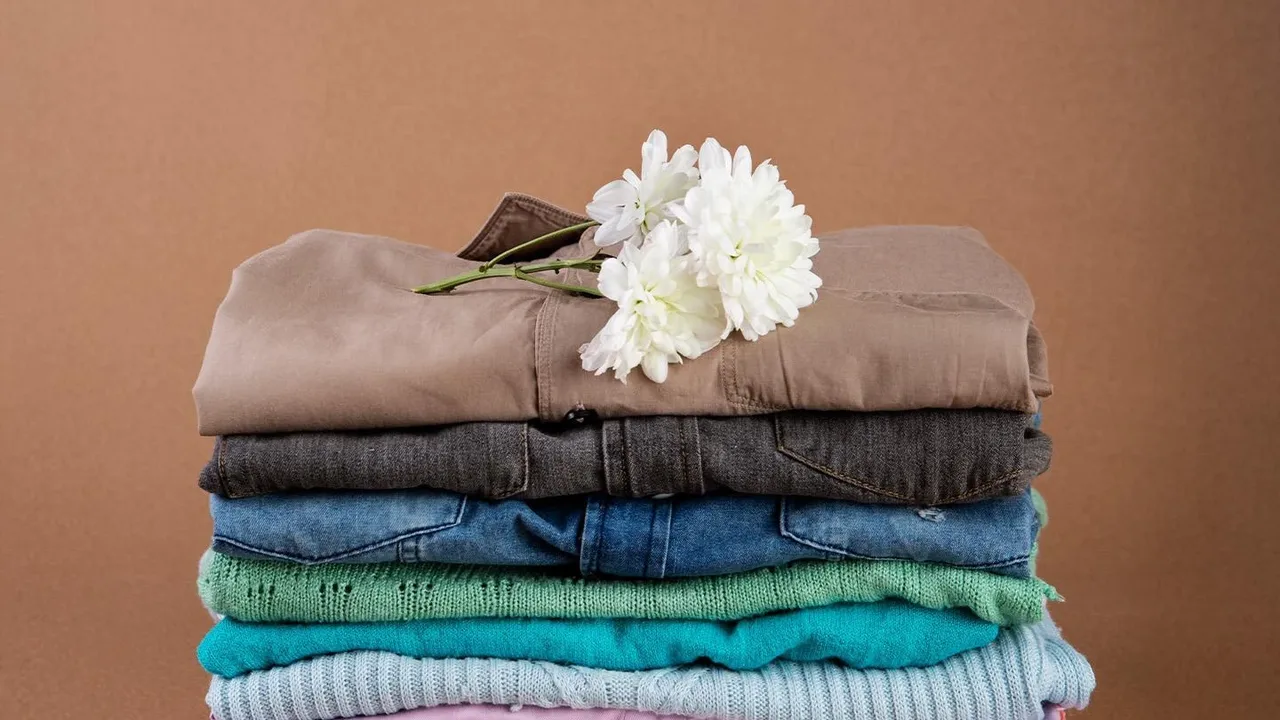
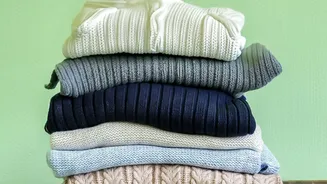
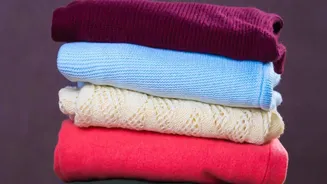
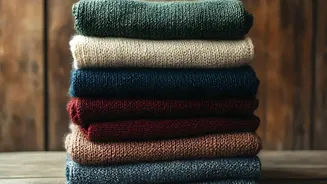
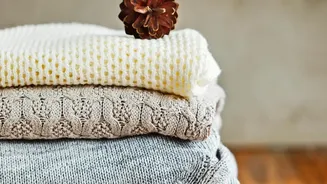
Folding a sweater correctly is about more than just tidiness; it’s about protecting the garment's structure. The goal is to create soft folds and avoid hard creases, especially down the middle. One of the most effective methods is the file fold. Start by laying the sweater face down on a flat surface. Fold one side towards the centre, bringing the sleeve across. Do the same on the other side to create a long rectangle. From there, you can fold the bottom up to meet the collar. For bulkier sweaters, folding it into thirds can create a more compact and stable package that can be stored vertically in a drawer, like a file. This not only saves space but also allows you to see all your sweaters at a glance. For very delicate items, placing a sheet of acid-free tissue paper inside the folds can offer extra protection against creasing.
Choose the Right Storage Space
Where you store your sweaters is just as important as how you store them. The ideal environment for wool is a cool, dry, and dark place with good air circulation. Excessive heat or direct sunlight can cause fibres to contract or shrink, while humidity and moisture can have the opposite effect, causing them to slacken and lose their shape. This makes damp basements, garages, or attics poor choices for long-term storage. When choosing containers, breathability is key. Avoid sealing woollens in plastic bags or airtight bins for long periods. These can trap any residual moisture, leading to mildew and musty odours. Instead, opt for breathable cotton or linen storage bags, fabric bins, or even clean cotton pillowcases. These protect the garments from dust while allowing air to circulate.
Clean Before You Store
One of the most critical steps before packing your woollens away for the season is to ensure they are completely clean. Even if a sweater looks spotless, it can hold invisible residue like body oils, sweat, perfume, or tiny food particles. These residues are what attract destructive pests like clothes moths. The larvae, not the adult moths, are responsible for the damage, as they feed on the keratin protein found in animal fibres like wool. Always wash or dry-clean your sweaters according to their care labels before long-term storage. Make sure each garment is 100% dry before folding it away, as even a small amount of dampness can cause problems. A clean sweater is far less appealing to pests and will emerge from storage smelling fresh and ready to wear.
Protecting From Pests Naturally
For added protection against moths, you can turn to natural repellents. Many people are moving away from the overpowering chemical smell of traditional mothballs. A wonderfully simple and natural alternative is cedar. Clothes moths dislike the fresh, woody scent of cedar, which makes it an effective deterrent. You can place cedar blocks, balls, or shavings in your drawers or storage bins. To keep the scent potent, you should lightly sand the cedar wood every few months to reactivate the aromatic oils. Another popular option is lavender. Placing lavender sachets among your sweaters will impart a pleasant fragrance while helping to keep moths at bay. Remember that these are deterrents; they repel adult moths but won't kill existing larvae, which is why starting with clean garments and a clean storage space is so crucial.