



The Convenience Trap of Instant Gratification
Quick commerce platforms have revolutionised how we eat. The promise of a meal or snack arriving at your doorstep in 10 to 20 minutes caters perfectly to our fast-paced urban lives. However, this speed often comes at a nutritional cost. The options that
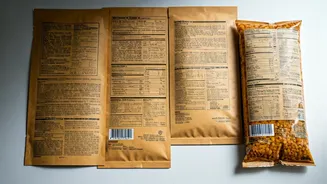
are quickest to prepare and deliver are frequently ultra-processed foods high in salt, sugar, and unhealthy fats. This includes everything from instant noodles and packaged snacks to deep-fried items that can be quickly reheated. The result is a dietary shift where households are deriving more calories from processed foods than from fresh produce, contributing to a rising tide of lifestyle diseases like obesity, diabetes, and hypertension across India. The convenience is real, but so are the public health consequences of a diet dominated by these 'empty calorie' options.
What Does a 'Balanced' Indian Meal Look Like?
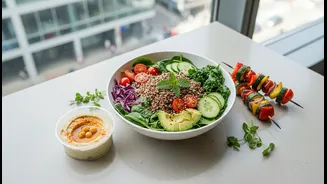
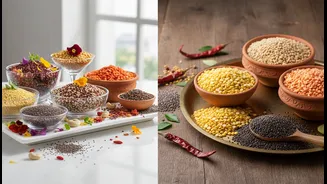
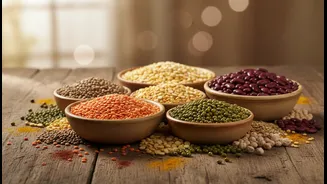
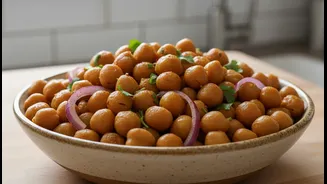
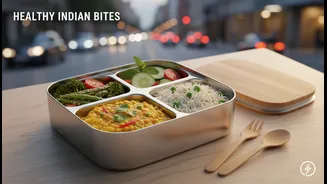
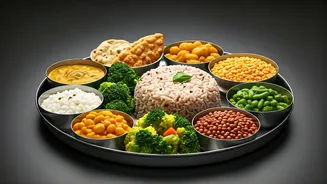
The irony is that traditional Indian cuisine is inherently balanced. A classic Indian meal, whether it's a thali or a simple home-cooked plate, is designed around nutritional harmony. It typically includes a source of complex carbohydrates like whole wheat roti or a controlled portion of rice, a protein source such as dal (lentils) or chickpeas, a variety of vegetables for fibre and vitamins, and healthy fats from yoghurt or a light tadka. Tandoori dishes, which involve marinating meat or paneer in yogurt and spices before cooking in a clay oven, are another excellent example of a healthy preparation method that delivers flavour without excess oil. The problem isn't the cuisine itself, but how it's adapted for mass-produced, rapid delivery, often relying on shortcuts like base gravies, heavy creams, and excessive oil that strip away the natural balance.
Redefining 'Fast' Indian Food
There is a misconception that 'fast' Indian food must be unhealthy. While samosas and pakoras are popular, they are far from the only quick options. Many nutritious Indian dishes can be prepared swiftly. Think of breakfast classics like poha or upma, or light and satisfying options like dosa made from fermented batter. The burgeoning cloud kitchen ecosystem, which is the backbone of fast delivery, is perfectly positioned to champion this change. These delivery-only kitchens can design menus specifically around wholesome meals that are quick to assemble, such as dal-rice bowls, millet-based khichdi, or grilled chicken and vegetable skewers. By focusing on efficient preparation of fresh ingredients, these kitchens can prove that speed and health are not mutually exclusive.
The Role of Platforms and Cloud Kitchens
Food delivery platforms are more than just logistics companies; they are powerful curators of our national diet. They have a responsibility to promote healthier choices. This can be achieved by using their AI-driven suggestion engines to highlight balanced meals, creating dedicated 'healthy' categories with properly vetted options, and partnering with cloud kitchens that prioritise nutrition. Some platforms are already seeing success with health-focused brands and menus offering low-carb or high-protein meals, indicating a clear market demand. For cloud kitchens, focusing on fresh, wholesome meals can be a significant market differentiator, catering to a growing segment of health-conscious consumers. Success stories in this space often combine authentic flavours with transparent nutritional information and modern dietary needs like vegan or high-protein options.
The Power Is in Our Hands
Ultimately, the market responds to demand. As consumers, our choices send a powerful signal to delivery platforms and restaurants. The growing interest in healthy eating, particularly among millennials and Gen Z, is already pushing the industry to evolve. Reports show that consumers are increasingly looking for healthier alternatives and are willing to pay a premium for quality. By actively searching for and ordering balanced meals, leaving reviews that praise nutritious options, and demanding more transparency in ingredients, we can accelerate this shift. When a significant number of users start favouring grilled tandoori over fried chicken or choosing a dal bowl over instant noodles, platforms and the kitchens that supply them will have a strong financial incentive to expand their healthier offerings.