


From Biryani to Bibimbap
In a city celebrated for its rich Nizami culinary heritage, a different kind of food wave is taking hold. From Madhapur to Khajaguda, a growing number of Korean cafes and restaurants are capturing the attention and wallets of Hyderabad's youth. These
aren't just restaurants; they are cultural hubs that feel a world away from traditional Irani cafes. Places like TTeokBoKKi and Goguryeo are bustling with young patrons, eager to taste the dishes they’ve seen in their favourite shows. This trend isn't a quiet shift but a vibrant movement, complete with K-pop playlists and aesthetics straight out of a Seoul neighbourhood, reflecting a larger appetite for global experiences in the City of Pearls.
The K-Drama Effect
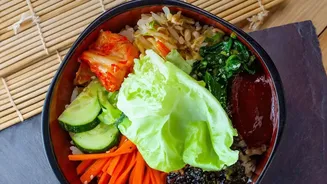
The primary catalyst for this culinary trend is undeniably the Hallyu, or Korean Wave. For Gen Z, who have grown up binge-watching K-dramas on streaming platforms and following K-pop idols on social media, Korean food is an extension of the culture they love. Watching characters share a comforting bowl of ramyun or enjoy spicy tteokbokki after a long day creates a powerful desire to participate in that experience. It transforms food from mere sustenance into a tangible connection to their favourite artists and stories. This screen-to-table phenomenon has been so effective that dishes like Korean fried chicken, cheesy corn dogs, and bibimbap are now some of the most sought-after items in the city’s new culinary hotspots.
More Than Just the Food
What makes these Korean cafes particularly magnetic for Gen Z is the emphasis on the overall experience. In an era dominated by social media, the visual appeal of both the food and the venue is paramount. Korean cafes are masters of aesthetics, offering minimalist interiors, neon signs, and beautifully plated dishes that are inherently 'Instagrammable'. The food itself often involves an interactive element, from tabletop grills for Korean BBQ to the viral DIY 'Korean Ice Cup' trend that recently hit Hyderabad, where customers mix their own flavoured drinks in pre-packaged ice cups. This performative and shareable aspect of dining is perfectly aligned with how the younger generation socialises and creates content.
A New World of Flavours
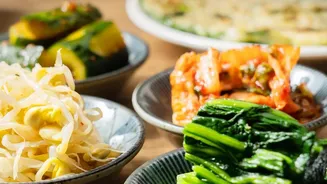
For many young Hyderabadis, Korean cuisine offers a thrilling departure from familiar tastes. The flavour profile is a complex interplay of spicy, sweet, savory, and tangy. Gochujang, a fermented red chilli paste, provides a milder, more rounded heat compared to Indian chillies, while kimchi introduces the funky, sour notes of fermentation. Dishes like Tteokbokki (chewy rice cakes in a spicy-sweet sauce) and Korean corn dogs offer unique textures and combinations that are both novel and addictive. Even desserts are different, often lighter and less reliant on dairy, providing a refreshing end to a meal. This exploration of new tastes signifies a broader, more adventurous palate among young Indian foodies.