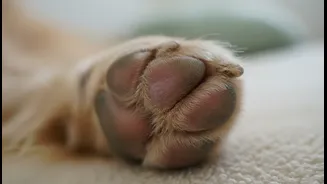



The Wet-Weather Paw Problem
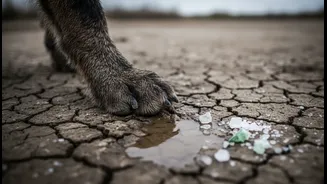
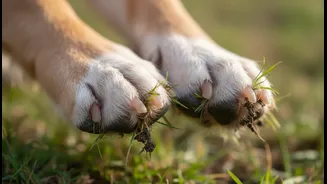
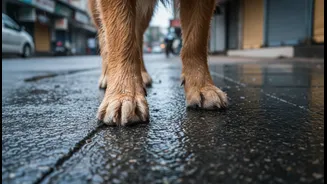
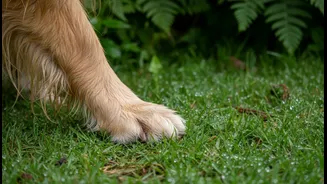
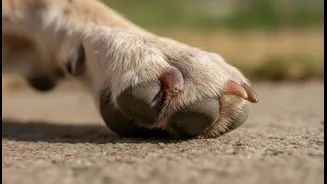
During rainy seasons, your dog’s paws are constantly exposed to moisture. Every walk through damp grass or on wet pavement creates a perfect microenvironment for fungi to thrive. The primary culprit is a type of yeast called Malassezia, which lives naturally
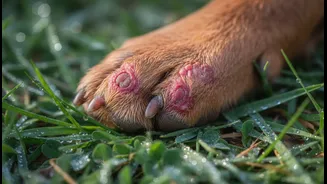
on a dog's skin. In dry conditions, it's harmless. But when trapped in the warm, dark, and damp spaces between your dog's paw pads, this yeast can multiply uncontrollably.This overgrowth leads to yeast dermatitis, an inflammation of the skin that causes intense itching, redness, and discomfort. You might notice your dog starting to limp, or you may smell a distinct musty odour, often described as smelling like corn chips, coming from their feet. This is the first sign that the delicate balance of your dog's skin has been disrupted.
Why Saliva Makes It Worse
When their paws become itchy, a dog's natural instinct is to lick the irritated area. Many owners believe that a dog’s saliva has healing properties, and while it does contain some mild antibacterial compounds, it is not a solution for a fungal infection. In this situation, the constant licking does far more harm than good.The primary issue is moisture. Saliva adds even more dampness to an already-soggy paw, creating an even more hospitable environment for yeast to flourish. This creates a vicious cycle: the yeast overgrowth causes itching, the dog licks to soothe the itch, and the added moisture from the saliva encourages more yeast to grow, leading to even more severe itching. Furthermore, chronic licking can lead to reddish-brown staining on the fur around the paws, which is a tell-tale sign of a persistent problem.
The Danger of Skipped Inspections
Without a regular paw inspection routine, these early signs are easy to miss. An owner might dismiss the occasional licking as a grooming habit. However, failing to check your pet’s paws daily, especially during wet weather, allows the condition to escalate. What starts as mild redness can progress to swollen, painful skin, open sores from constant chewing, and even secondary bacterial infections.By the time the symptoms become obvious—such as a noticeable limp or a foul odour that fills the room—the infection is often well-established and much more difficult to treat. Regular inspections allow you to catch the problem at the source, long before your dog's licking turns a minor irritation into a major veterinary issue.
Your Daily Paw-Care Routine
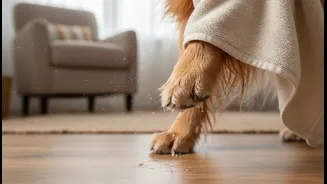
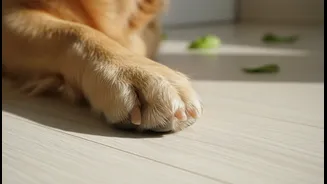
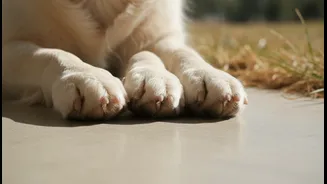
The good news is that preventing these issues is straightforward with a consistent routine. After every single walk in wet conditions, make a habit of thoroughly drying your dog’s paws. A quick towel-down is not enough. You must focus on the spaces between the toes and pads, as this is where moisture gets trapped.Use a soft, absorbent towel or a dedicated paw-drying mat to press-dry the area. For long-haired breeds, you may need to trim the fur around the paws to improve air circulation and prevent matting. A hairdryer on a low, cool setting can also be effective, but ensure you don't frighten your pet or burn their sensitive skin.While drying, perform a quick inspection. Gently spread the toes and look for redness, swelling, or any unusual discharge. Give the paws a quick sniff; any odour other than your dog’s normal scent should be noted. This entire process takes only a few minutes but is the single most effective way to prevent fungal flare-ups.
When to Consult a Veterinarian
While diligent home care can prevent most problems, some situations require professional help. If you notice persistent licking that lasts more than a couple of days, or if the skin is broken, bleeding, or has a strong, unpleasant smell, it's time to see a vet. Your veterinarian can accurately diagnose the issue, often by taking a simple skin sample to confirm the presence of a yeast overgrowth.Treatment may involve medicated wipes, antifungal shampoos, or oral medications to get the infection under control. It is also crucial to address any underlying issues, such as allergies, which can make a dog more susceptible to skin problems.