






Fabric First: Your Shield Against Humidity
The golden rule of monsoon dressing is to choose fabrics that are lightweight, breathable, and quick to dry. [14] High humidity demands materials that won't cling to your skin. Fine cotton and cotton blends are excellent choices as they are breathable and dry relatively
fast. [7, 14] Rayon is another star performer; it’s light, absorbs moisture without trapping heat, and dries quickly, making it ideal for India's sticky coastal humidity. [3, 8, 12] Other great options include crepe and georgette, which don't become transparent or stick to the body when wet. [3, 20] Surprisingly, linen is also a strong contender. While it gets wet, it dries faster than most fabrics and breathes well. [9] Conversely, fabrics to avoid include heavy denim, pure thick cotton, and velvet, as they absorb and retain water, becoming heavy and taking ages to dry. [13, 18]
A Splash of Colour: The Monsoon Palette
Gloomy, overcast days are the perfect backdrop for vibrant, cheerful colours. Donning bright hues like sunny yellows, oranges, lime greens, and pinks can lift your spirits and make a stylish statement. [10, 18] Bold jewel tones such as teal, cobalt, and coral also pop beautifully against the grey weather. [20] On the practical side, dark colours like navy blue, charcoal grey, and olive green are adept at hiding mud splashes and water stains, making them a safe and smart choice for commutes. [14] While classic white is best avoided due to its susceptibility to stains, you can embrace bold prints, which are excellent at camouflaging any accidental marks from a downpour. [20]
Smart Silhouettes: Cut for Comfort and Style
During the monsoon, your outfit's cut is just as important as its fabric. The key is to avoid long, trailing hemlines that can get soaked and muddy. Opt for shorter lengths like cropped trousers, culottes, knee-length dresses, and short kurtis. [12, 14] Loose, flowing silhouettes are preferable to tight-fitting clothes. [10, 20] Garments like kaftans, A-line dresses, and co-ord sets with palazzo pants allow for better air circulation, preventing that sticky feeling common in high humidity. [11, 20] An asymmetric kurta with cropped pants or a shirt dress offers a chic, fusion look that is both modern and practical for navigating puddles. [11]
Footwear Focus: Step Securely and Stylishly
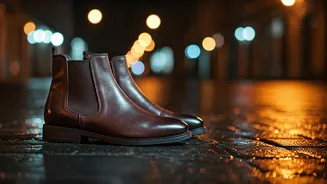
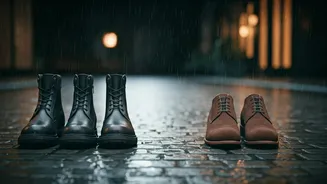
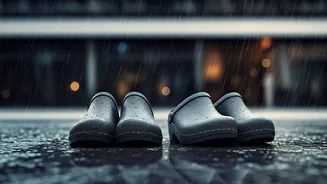
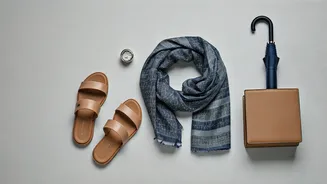
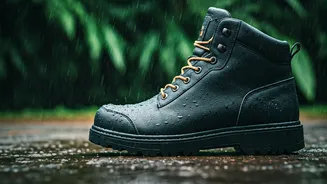
Monsoon can be brutal on footwear, making material choice critical. Leather and suede are complete no-gos, as water can cause permanent damage. [13] Instead, embrace waterproof and water-resistant materials like rubber, EVA, and Croslite™. [22, 25] Rubber flip-flops and sandals are a classic, easy-to-clean choice. [19] Brands like Crocs are extremely popular as their proprietary material is lightweight, waterproof, and dries in minutes. [23, 25] For a more covered option, look for slip-on loafers or sneakers made from water-resistant synthetics in dark colours that hide dirt. [13, 19] Rain boots offer the best protection for heavy downpours and can be a stylish addition to your outfit. [19] Always prioritize footwear with a good grip to prevent slipping on wet surfaces. [24]
Wardrobe Care: Keeping Clothes Fresh and Dry
Caring for your clothes is a major part of monsoon readiness. Dampness and high humidity create a breeding ground for mildew and musty smells. It’s crucial to wash wet or sweaty clothes promptly instead of letting them sit in the hamper. [6, 17] When drying, since direct sunlight is often scarce, use a well-ventilated indoor space, perhaps aided by a fan. [4, 5] Ironing clothes once dry can help remove any lingering moisture and kill remaining bacteria. [17] To keep your wardrobe from smelling musty, place moisture absorbers like silica gel packets or natural options like neem leaves or clove-filled sachets inside. [4, 6] For delicate items like silk sarees, wrap them in muslin cloth instead of plastic to allow them to breathe and prevent moisture build-up. [15]