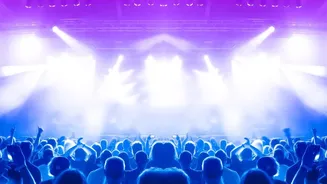







The Experience Economy Takes Centre Stage
For many young Indians, life is increasingly about collecting memories, not just material possessions. This fundamental shift towards an 'experience economy' is a primary driver of the concert boom. A generation that grew up with digital everything is now
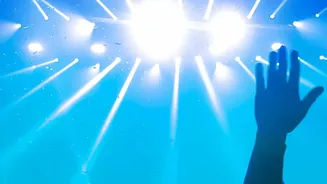
craving real-world, communal moments. A concert is no longer just about the music; it's a social event, a travel plan, and a story to tell. Reports show a clear trend of Gen Z and millennials prioritising spending on experiences like travel and entertainment. This sentiment is echoed by young professionals who save up for months, not for a gadget, but for the chance to see a favourite artist and share that moment with a massive crowd.
From Digital Discovery to a Shared Reality
The journey to a concert now begins on a phone screen. Platforms like YouTube and Instagram have demolished cultural barriers, giving young Indians instant access to global music trends. An artist's 15-second viral clip can build a dedicated following long before they announce a tour. When they do, buying a ticket becomes the ultimate validation—a chance for online communities to gather in a physical space. Social media then amplifies the experience, with the desire to capture and share spectacular moments (FOMO, or the fear of missing out) becoming a powerful motivator. The event itself, with its high-production visuals, is often designed to be as shareable as possible, turning attendees into promoters.
A Global Stage and a Thriving Local Scene
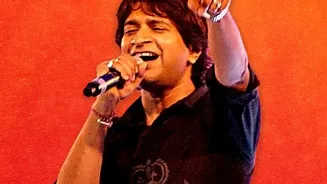
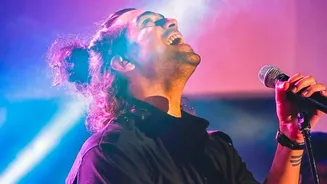
The influx of major international artists has transformed India into a key stop on the global touring circuit, alongside countries like Japan and Singapore. The success of massive events like Lollapalooza India and sold-out stadium shows by acts like Coldplay have proven the market's massive appetite. These large-scale events generate huge economic impact, boosting tourism and local economies. But the boom isn't just about global superstars. It has also provided a bigger stage for homegrown talent. Punjabi music artists like Diljit Dosanjh and AP Dhillon, along with a re-energised Indian hip-hop scene, are drawing colossal crowds, proving that the domestic music ecosystem is a powerhouse in its own right.
The Post-Pandemic Push for Connection
After years of lockdowns and digital isolation, the hunger for live, in-person interaction is stronger than ever. Many analysts point to a post-pandemic 'revenge' attitude towards experiences, where people are eager to make up for lost time. Concerts and festivals offer a powerful antidote to digital fatigue, providing a space for genuine human connection. Promoters and attendees alike speak of the unique energy of being in a crowd, sharing an experience that simply cannot be replicated online. This collective desire to be present and part of a community has provided significant momentum to the live events industry.
Improved Access and Growing Incomes
Underpinning this cultural shift are crucial economic and logistical factors. Rising disposable incomes among India's growing middle class, particularly in urban centres, mean more young people have the financial capacity to spend on entertainment. Furthermore, the rise of sophisticated ticketing platforms like BookMyShow has made discovering and booking events seamless. The growth is not limited to metros; Tier 2 and Tier 3 cities are emerging as significant markets, showing incredible growth in spending on travel and entertainment. This expansion, coupled with better infrastructure and artists undertaking multi-city tours, makes live music more accessible than ever before.