




What is the Bharat Brand Scheme?
The Bharat brand is a Central government initiative designed to provide essential food items to consumers at affordable prices, as a measure to control food inflation. Launched in 2023, the scheme initially offered items like chana dal, and later expanded
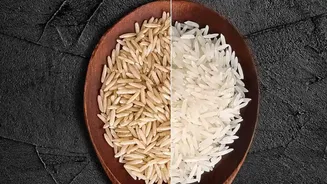
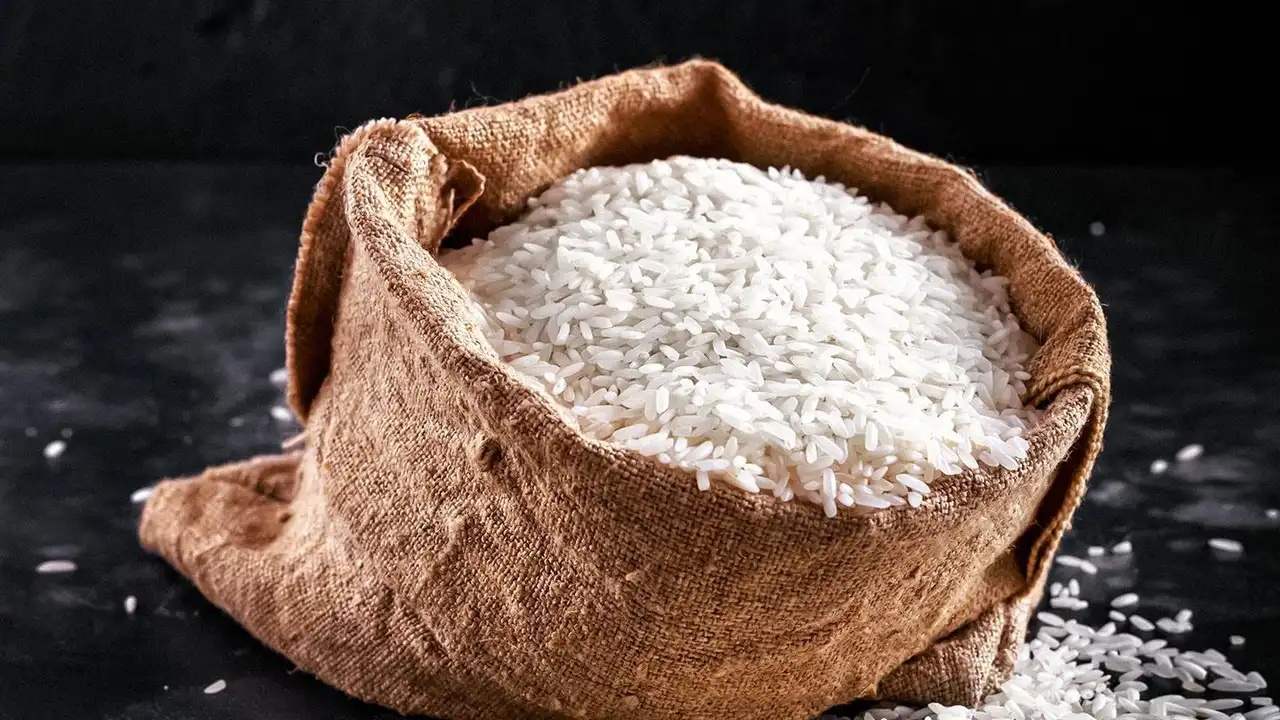
to include 'Bharat Atta' (packaged wheat flour) and 'Bharat Rice'. These products are not part of the Public Distribution System (PDS) meant for the most vulnerable, but are available for purchase by the general public. They are sold through a network of cooperatives like NAFED, NCCF, Kendriya Bhandar, and via mobile vans and even some e-commerce platforms. The scheme functions as a market intervention, releasing government-held food stocks to cool down open-market prices when they spike.
A Look at the Latest Prices
As of a recent announcement for the 2026-27 period, the government has set the Maximum Retail Price (MRP) for Bharat Atta at ₹32 per kg. For Bharat Rice, the MRP is ₹35 per kg for 5kg and 10kg packs, with a slight increase planned to ₹36 per kg from November 2026. These prices are noticeably lower than the prevailing retail rates for similar products in the open market, which is the scheme's primary appeal. For instance, reports noted that Bharat Atta was introduced when market prices were around ₹32-34 per kg, and the latest release comes after a 6-7% rise in general atta prices over the last month. This price difference provides direct, tangible relief to household budgets.
The Heart of the 'Subsidy' Question
Here's where the scrutiny begins. The term 'subsidy' often implies the government is paying a portion of the cost to make a product cheaper for the consumer. While the government consistently refers to the prices as 'subsidised', the mechanism is more complex than a simple cash discount. The scheme operates under the Open Market Sale Scheme (OMSS), where the government releases grain from its own Food Corporation of India (FCI) buffer stocks. The government does provide support from the Price Stabilization Fund (PSF) to cover some costs. For example, for the latest batch, a support of ₹2.35 per kg on wheat has been decided, along with reimbursement of transportation costs to the FCI. However, critics and analysts point out that this is more of a price control measure using existing stocks, rather than a traditional subsidy where the government compensates private sellers. The government is, in effect, the seller, using its massive procurement and storage capacity to influence market rates.
Is it a Subsidy or Price Stabilisation?
The government itself has called the initiative a 'temporary intervention' to provide relief from high prices and stabilise the market. This framing suggests the primary goal is market management, not creating a permanent subsidised channel. The scheme's operational nature supports this: it has been paused and restarted based on market conditions. For instance, sales were stopped around April 2025 when prices stabilised, only to be resumed recently ahead of the festival season as prices began to climb again. Therefore, the scrutiny isn't about whether the products are cheaper—they clearly are. It is about whether 'subsidy' is the most accurate term, or if it is being used for political messaging. The branding, which follows the 'One Nation, One Fertilizer' model of using the 'Bharat' name, aims to create a clear, recognisable government brand.
Impact and Limitations
The Bharat brand has a definite impact on stabilising prices, as acknowledged by officials who noted that the introduction of Bharat Atta helped steady the market. However, some experts question if the allocated quantities are large enough to significantly influence a market as vast as India's, especially with weather-related uncertainties affecting crops. Furthermore, there have been administrative challenges, including complaints about potential diversion of stocks, which prompted the government to issue Standard Operating Procedures and push for better track-and-trace mechanisms. These logistical hurdles highlight the difficulty of implementing such a large-scale intervention effectively across the country.