



The Search for a Deeper Cure
The modern Indian workplace is demanding. For many millennials, long hours, constant connectivity, and high-pressure environments have led to a state of perpetual exhaustion. Surveys show that young professionals are grappling with significant levels
of anxiety and stress, with burnout becoming a common complaint. This has sparked a collective search for solutions that go deeper than a weekend getaway or a meditation app. Increasingly, this generation is turning inwards, seeking authentic, holistic methods to heal not just the body, but the mind and spirit. They are trading fleeting distractions for intentional restoration, leading many down a path to India's own ancient science of wellness: Ayurveda.
Why the Monsoon is a Magical Time for Healing
In Kerala, the heartland of Ayurveda, the monsoon season, or 'Varsha Ritu', has been considered the most potent time for healing for centuries. The period from June to September, particularly the Malayalam month of Karkidakam (mid-July to mid-August), is traditionally dedicated to rejuvenation. According to Ayurvedic principles, the cool, humid, and dust-free atmosphere of the monsoon makes the body exceptionally receptive to therapeutic treatments. The high humidity helps to soften the skin and open up the body's pores and channels (srotas), allowing medicated oils and herbal preparations to penetrate deeper into the tissues for maximum effect. This natural receptivity enhances the detoxification and healing process, making treatments more effective and their benefits longer-lasting.
Key Therapies for Mind and Body
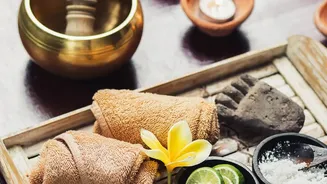
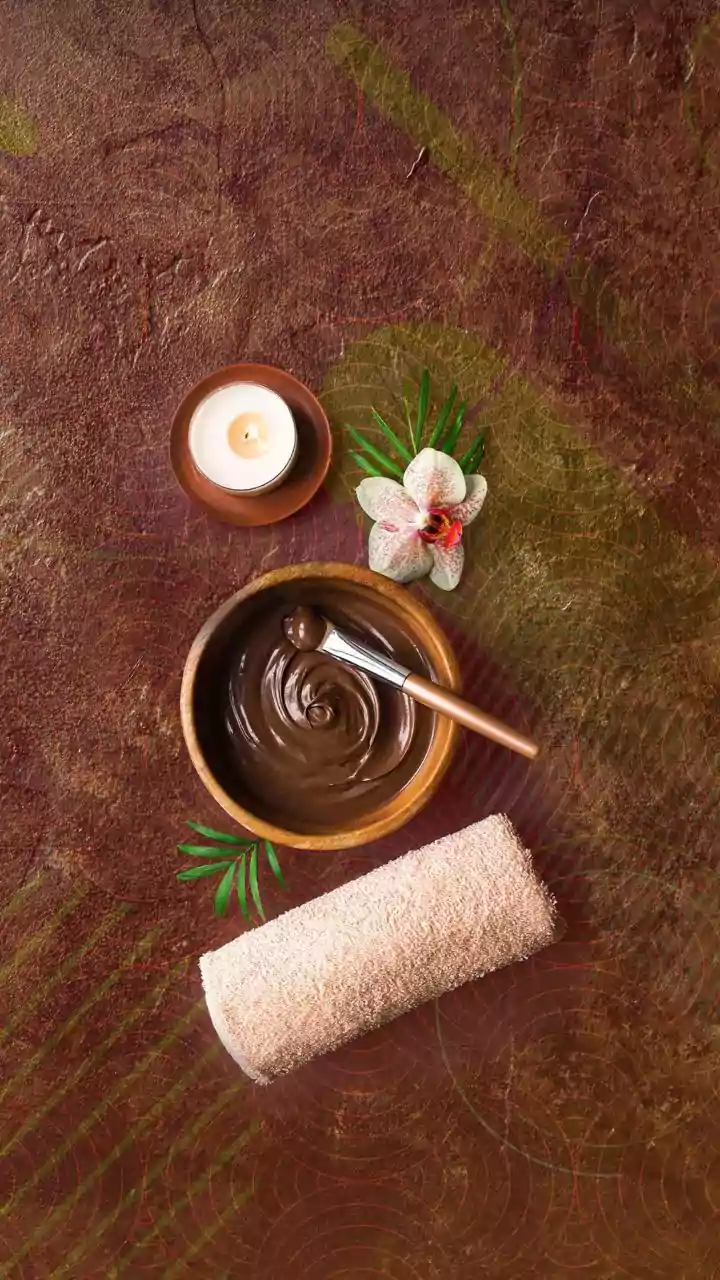
When it comes to stress, anxiety, and burnout, Kerala's Ayurvedic centres offer a range of specialized treatments designed to calm the nervous system and restore balance. One of the most renowned is Shirodhara, a deeply tranquil therapy where a continuous stream of warm, medicated oil is poured gently over the forehead. This process is known to induce a meditative state, quiet racing thoughts, and combat insomnia and mental fatigue. Another cornerstone is Abhyanga, a full-body massage with warm, herb-infused oils. The rhythmic strokes help to release muscle tension, improve circulation, and soothe an overactive nervous system, which is often a result of an aggravated 'Vata' dosha associated with stress and anxiety. These therapies are often part of a larger, personalized detoxification program called Panchakarma, which aims to cleanse the body of accumulated toxins (ama) that contribute to physical and mental strain.
A Holistic Approach to Wellness
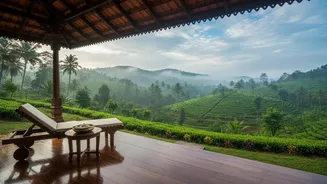
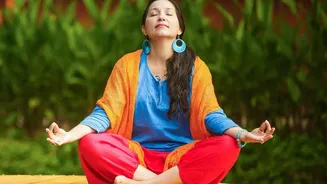
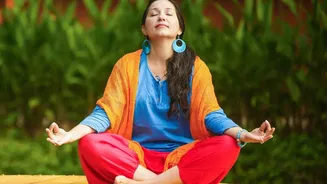
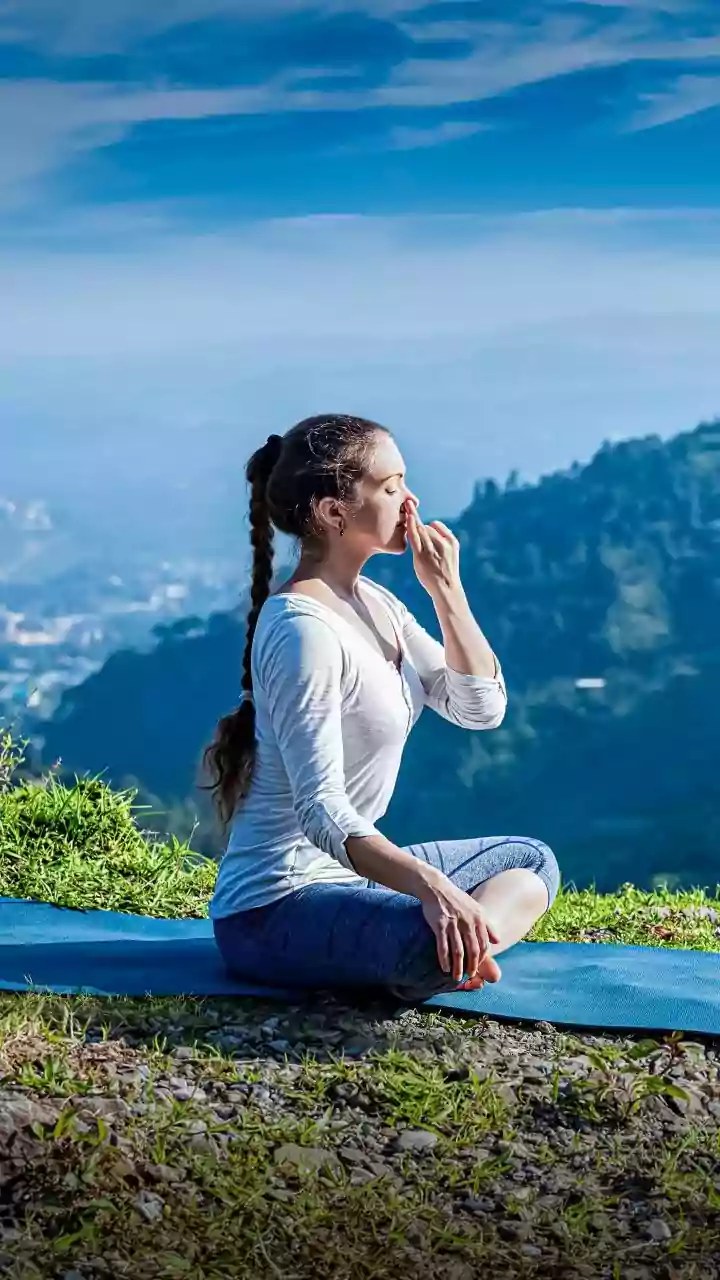
The experience is far more than just a series of treatments. A true Ayurvedic retreat is an immersive, holistic journey. It involves a prescribed diet of light, warm, and easily digestible Sattvic food, such as the special medicinal porridge called Karkidaka Kanji, to support the detoxification process and strengthen the digestive fire (Agni). This is complemented by gentle yoga, pranayama (breathing exercises), and meditation to further calm the mind. Importantly, it is also a digital detox. By disconnecting from the constant stream of emails, notifications, and social media, individuals give their minds a genuine opportunity to rest, reset, and reconnect with themselves amidst the serene, rain-washed landscapes of Kerala. The rhythmic sound of the rain itself becomes a form of therapy, promoting a sense of peace and introspection.
The Lasting Appeal of Ancient Wisdom
For overworked millennials, the turn to monsoon Ayurveda is a conscious rejection of the 'hustle culture' that led to their burnout. It is an investment in sustainable wellbeing over temporary relief. The goal isn't just to feel good for a week, but to reset the body and mind, boost immunity, and learn practices that can be integrated into daily life for long-term resilience. This trend highlights a growing appreciation for slow, intentional healing rooted in nature's rhythms. It’s a powerful reminder that sometimes the most effective solutions to modern problems are found not in new technology, but in the profound wisdom of ancient traditions.