


Beyond the Monument Selfie
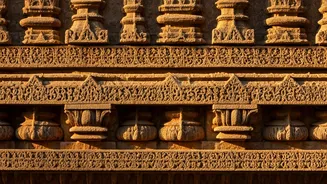
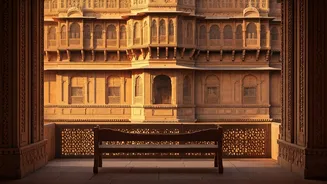
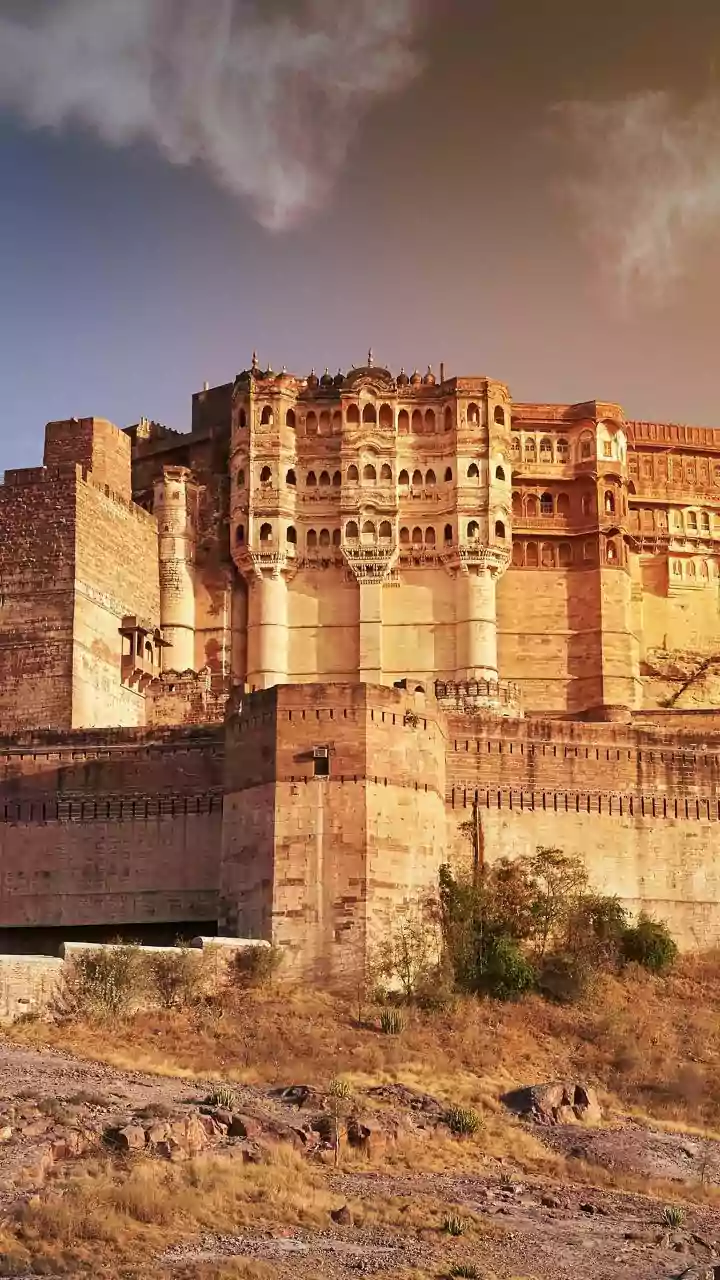
We travel to connect with our past. We walk through the corridors of magnificent palaces in Rajasthan and trace the carvings on ancient temples in Tamil Nadu. We take hundreds of photos, hoping to capture a fraction of their grandeur. Yet, often, the experience
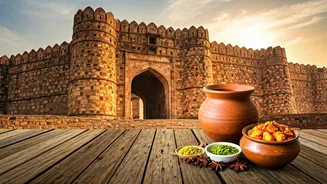
can feel strangely distant. You can look at a monument, but you can’t truly interact with it. It’s a passive experience of observing history from behind a velvet rope. This is where food changes the entire equation. A plate of food is not a relic in a museum; it's living history. It’s a direct, sensory connection to the culture, climate, and generations of people who have called that place home. When you eat a dish that has been cooked the same way for centuries, you are not just a tourist; you are a participant in a long and delicious tradition.
A Story in Every Bite
Every traditional dish is a history lesson disguised as a meal. The fiery Laal Maas of Rajasthan tells a story of a warrior culture and the need for food that could be preserved in a harsh desert climate. The complex flavours of a Lucknowi Galouti Kebab whisper tales of a toothless Nawab and the culinary genius of his royal kitchens. The simplicity of a Kumaoni thali, with its locally grown grains and lentils, speaks volumes about the region's self-sufficient agricultural practices.
By seeking out these dishes, we move beyond the generic facts on a plaque. We start to understand the ‘why’ behind a place. Why were certain spices used? How did trade routes influence local recipes? What did people—from kings to commoners—actually eat? Suddenly, a simple meal provides a richer, more nuanced understanding of heritage than an audio guide ever could.
The Ultimate Shareable Moment
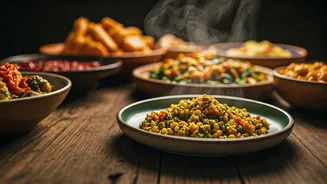
Let's be honest: in the age of social media, 'shareability' matters. While a picture of Hawa Mahal is beautiful, it's also one of millions. But a photo of a vibrant, steaming plate of Daal Baati Churma, with a caption explaining its significance? That’s content that tells a story. It’s personal, unique, and deeply engaging.
Food photography is a language everyone understands. A colourful thali, an artfully plated dessert, or even a rustic street-side snack invites curiosity and conversation. It transforms your travelogue from a gallery of static buildings into a dynamic journey of discovery. Your followers don't just see where you went; they get a taste of your experience. This act of sharing—and the questions it sparks—deepens your own appreciation for the culture you’re exploring.
Connecting with People, Not Just Places
One of the greatest rewards of culinary exploration is that it forces you off the beaten path. Finding the best Puran Poli in Pune or the most authentic Tunday Kababi in Lucknow won’t happen in a sterile hotel restaurant. It requires you to venture into bustling local markets, navigate crowded old-city lanes, and ask for recommendations.
This quest inevitably leads to human connection. You'll find yourself chatting with a friendly vendor who has been making the same snack for 40 years, or a restaurant owner eager to explain the origins of their family’s secret masala. These interactions are the heart and soul of travel. They are the unplanned, unscripted moments that become your most cherished memories—and the most compelling stories to share back home.