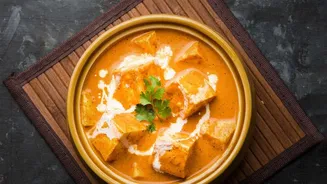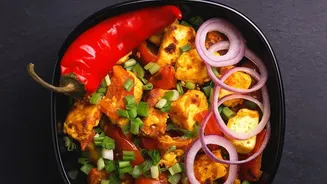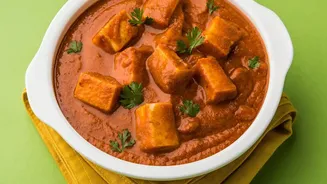


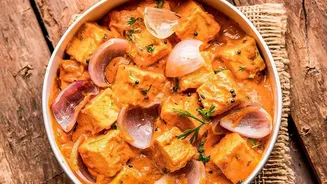
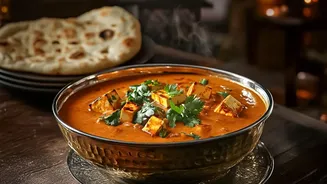
The sizzle of a hot tawa, the aroma of melting butter and spices, and a plate of something utterly delicious. That's the magic of Indian street food, and at its heart is Paneer Ghotala, a dish you can easily bring into your own kitchen.
What's In a Name? Unpacking 'Ghotala'
In Hindi and Gujarati,
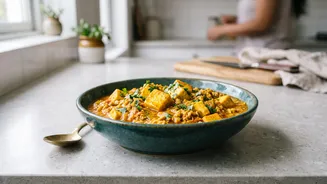
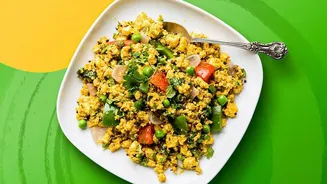
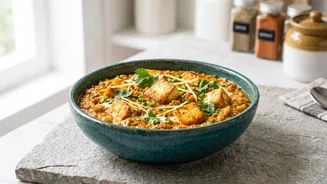
the word 'ghotala' translates to a mess, a mix-up, or even a scam. While it sounds unusual for a beloved food, the name perfectly captures the essence of this dish. Paneer Ghotala is a delightful, messy scramble of grated paneer cooked into a spicy, flavourful gravy. It's a creative vegetarian take on 'Anda Ghotala' (egg ghotala), another street-side favourite. Originating from the vibrant food stalls of Surat in Gujarat, this dish is a testament to the city's playful and inventive culinary culture. It’s a rich, satisfying, and quick preparation that has become a staple of late-night food culture.
Bhurji vs. Ghotala: What's the Difference?
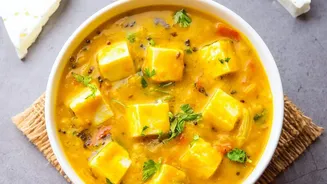
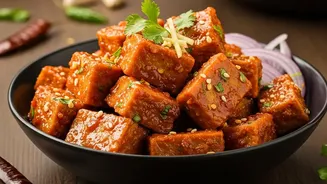
At first glance, Paneer Ghotala might seem similar to Paneer Bhurji, as both involve scrambled paneer. However, there are key distinctions. Traditionally, Ghotala often features a smoother, gravy-like consistency achieved by mashing the ingredients together on the pan. Its spice profile is heavily influenced by pav bhaji masala, which isn't always a primary component in bhurji. Furthermore, Paneer Ghotala frequently includes ingredients like capsicum and sometimes even grated cheese to enhance its richness, whereas bhurji recipes can be simpler, focusing mainly on onions, tomatoes, and basic spices. The texture is also a defining factor; for Ghotala, paneer is almost always grated for a finer, more integrated feel, while bhurji might use crumbled paneer.
The Anatomy of Authentic Flavour
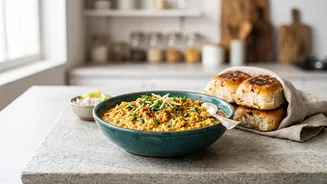
The secret to that unmistakable street-style taste lies in a few key components. Ample use of butter is non-negotiable; it provides a rich base that brings all the spices together. The spice blend is crucial, with pav bhaji masala lending the dish its signature tangy and aromatic character. Many street vendors also use a special green chutney, or 'leela masala', made from fresh coriander, green garlic, and chillies, which is cooked into the base to build a deep layer of flavour. Finely chopped onions, grated tomatoes, and a ginger-garlic paste create the foundation, while a generous garnish of fresh coriander, more butter, and sometimes grated cheese finishes the dish.
Recreating the Magic at Home
Bringing Paneer Ghotala into your home kitchen is surprisingly straightforward. Start by heating a mix of oil and butter in a heavy bottomed pan or tawa. Sauté finely chopped onions until soft, then add ginger garlic paste and cook until fragrant. Now it’s time for the spices: turmeric, red chilli powder, coriander powder, and a generous spoonful of pav bhaji masala. Cook the spices for a minute before adding grated or puréed tomatoes. Let this mixture cook until it thickens and the oil begins to separate. This is the heart of your ghotala. Now, add your grated paneer and a little hot water to achieve the right consistency. Using a potato masher, gently press and mix everything together in the pan to create that classic 'ghotala' texture. Let it simmer for a few minutes for the paneer to absorb all the flavours.
Serving it Street Style
Paneer Ghotala is almost always served with soft, fluffy pav rolls. To complete the experience, don't just serve them plain. Melt a generous amount of butter on the same tawa you used for the ghotala. Sprinkle some red chilli powder or pav bhaji masala into the butter, then slice the pav horizontally and toast them on the tawa until they are warm, buttery, and lightly crisped. Serve the hot Paneer Ghotala in a bowl, topped with a dollop of butter, a sprinkle of fresh coriander, finely chopped raw onions, and perhaps some more grated cheese. The combination of the spicy, creamy ghotala with the soft, masala coated pav is what makes this dish an enduring favourite.