


The Great Retreat: What Is Monsoon Withdrawal?
Monsoon withdrawal is not an abrupt event but a gradual, phased process. Meteorologically, the India Meteorological Department (IMD) declares withdrawal when specific conditions are met. These include the cessation of rainfall for five consecutive days,
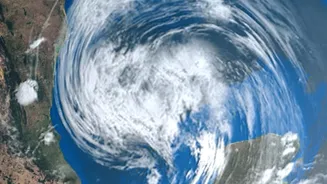
a drop in moisture content, and the establishment of an anticyclone over the lower atmosphere. This anticyclonic circulation brings dry, windless conditions that are the opposite of the moist, rain-bearing winds of the active monsoon. While satellite images on September 8th show strikingly clear skies over large parts of northwest and central India, the IMD has indicated this is a sign of weakening activity, not the official start. The formal withdrawal process is expected to begin after September 15th. This year's retreat is influenced by a strong El Niño, which has already contributed to a rainfall deficit and is expected to shape weather patterns in the coming weeks.
Northwest India: The First to Say Goodbye
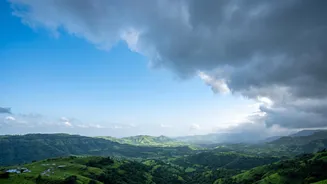
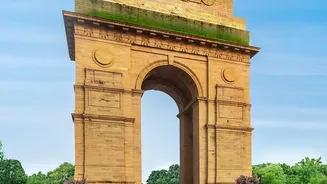
The withdrawal process always begins from the country's northwestern frontier. States like Rajasthan, Punjab, Haryana, and the Delhi-NCR region are the first to experience the change. The retreat typically begins here in early to mid-September. Projections suggest the necessary atmospheric conditions for a more organised withdrawal will mature around September 21st this year. For residents in this region, the withdrawal means a noticeable shift in weather. The persistent cloud cover will give way to clear, sunny skies. As the moist monsoon winds are replaced by dry northwesterly winds, humidity levels will drop significantly, making the air feel less heavy and oppressive. This will mark the transition towards the post-monsoon and pre-winter season.
Central and Eastern India: A Staggered Rollback
After commencing in the northwest, the line of withdrawal moves progressively southeastward. It covers Central India, including states like Gujarat, Madhya Pradesh, and parts of Uttar Pradesh, over the subsequent weeks. By mid-October, the monsoon typically withdraws completely from the northern half of the peninsula. However, the retreat can be erratic. While some areas experience dry weather, active weather systems can still bring rainfall to others. A low-pressure system expected over the Bay of Bengal between September 12th and 18th could trigger another spell of widespread rain over East and Central India, potentially marking one of the last major monsoon pushes for the region before the withdrawal is complete.
The Southern Peninsula: A Different Monsoon Story
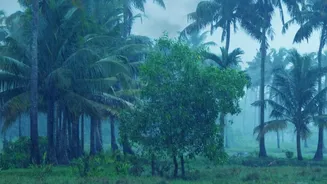
For southern India, the end of the southwest monsoon does not mean the end of rains. In fact, it heralds the beginning of the northeast monsoon, often called the 'retreating monsoon'. This system is the primary rainfall season for Tamil Nadu, coastal Andhra Pradesh, and parts of Kerala and Karnataka. As the southwest monsoon winds retreat, they are replaced by northeasterly winds. These winds pick up moisture as they pass over the Bay of Bengal and release it over the southern coastal states. This rainy season typically occurs between October and December. The withdrawal of the southwest monsoon from the entire country, including the southern tip, is usually complete by early December.
Beyond the Rain: October Heat and Cyclone Season
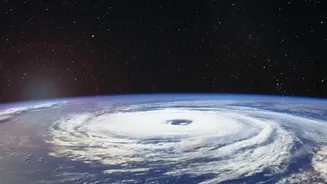
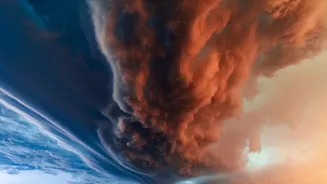
The transition period brings other significant weather phenomena. One of the most notable is the 'October Heat'. As the monsoon clouds disappear, clear skies lead to a rise in daytime temperatures. This, combined with the high residual moisture left in the ground and atmosphere, creates a period of uncomfortably hot and humid weather, particularly across the northern plains. This muggy condition can feel more oppressive than the dry heat of summer. Furthermore, the months of October and November are the peak season for the formation of tropical cyclones in the Bay of Bengal and the Arabian Sea. The coastal belts of Tamil Nadu, Andhra Pradesh, Odisha, and West Bengal are particularly vulnerable during this post-monsoon period.