




A Tradition Rooted in Trade
The Pushkar Mela, scheduled from November 17 to November 24, 2026, is fundamentally two events in one. The first phase is a centuries-old livestock fair, one of the largest in the world. For generations, herders from across Rajasthan and neighbouring
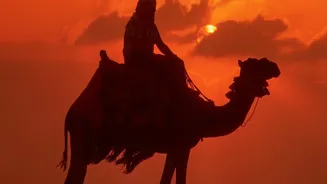
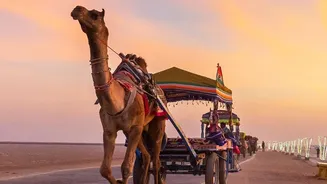
states have travelled for weeks to gather here. The opening days are a whirlwind of activity, as tens of thousands of camels, Marwari horses, and cattle are traded. The air hums with negotiations as deals are struck over cups of chai, preserving a commercial tradition that anchors the region's pastoral economy. This initial period is the most authentic glimpse into the Mela's origins, a dusty, chaotic, and vibrant marketplace where the rhythm of life is tied to the herds.
The Spectacle of Competition
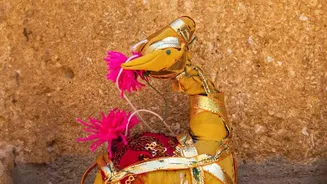
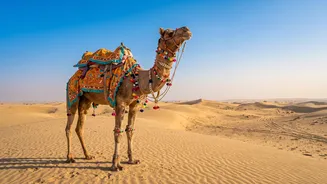
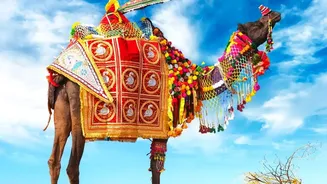
As the trading continues, the fair transitions into its second phase: a colourful explosion of cultural events and competitions organised by Rajasthan Tourism. This is where the Mela's reputation as a grand spectacle truly comes to life. The fairgrounds buzz with a series of unique contests that draw huge crowds. Camels, adorned in intricate embroidery, mirrored pom-poms, and silver jewellery, participate in the 'Gorband' or decoration competition. This is followed by camel races and even camel dances, where trained animals perform choreographed movements to folk music. Beyond the animal events, human competitions provide endless entertainment, from the famous longest moustache contest to turban-tying challenges and friendly games like tug-of-war and kabaddi between locals and international visitors.
A Feast for the Senses
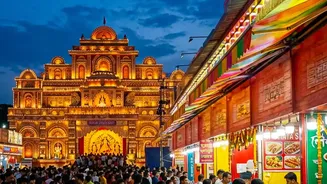
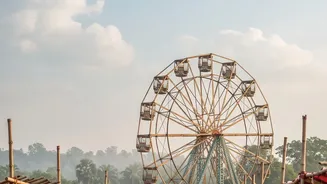
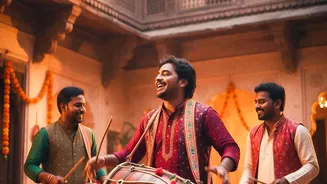
The Mela is more than just its official events; it is an immersive sensory experience. The fairgrounds become a sprawling carnival filled with Ferris wheels, street performers, and magicians. Handicraft bazaars spring up, offering a treasure trove of Rajasthani textiles, leather goods, silver jewellery, and colourful fabrics. The sounds of the desert are punctuated by the soulful melodies of Langa folk musicians and the beats of Nagada drums. As day turns to night, the aroma of traditional food like Dal Baati Churma fills the air, and cultural performances take over the main stage, showcasing the region's rich artistic heritage through folk dance and music.
The Spiritual Heartbeat of the Fair
Underpinning the entire festival is a deep spiritual significance. The fair is timed to coincide with Kartik Purnima, the auspicious full moon in the Hindu month of Kartik. Legend holds that the sacred Pushkar Lake was created by the Hindu god of creation, Lord Brahma, and that a dip in its waters during this period cleanses sins. In the final days of the Mela, the focus shifts from the fairgrounds to the 52 bathing ghats surrounding the lake. Thousands of pilgrims arrive to take a holy bath at dawn on Kartik Purnima, which in 2026 falls on November 24. The evenings are marked by the Maha Aarti, a mesmerizing ceremony where hundreds of oil lamps are floated on the lake, creating a serene and unforgettable spiritual climax to the festivities.