




More Than a Meal: The Power of Narrative
In a competitive restaurant landscape, great taste is simply the baseline. Today’s diners, especially younger generations, are seeking experiences that offer an emotional connection. This is where storytelling comes in. A compelling narrative—whether
it’s about a family recipe passed down through generations or the chef’s journey of discovery—transforms a dish from a product into a piece of culture. Studies and market trends show that a significant percentage of consumers are influenced by a brand's story, which fosters loyalty and makes the experience more memorable. When you learn that the spices in your curry were sourced from a specific farm or that the dish was a favourite of a historical figure, the meal gains a new dimension of value. It humanises the brand and gives people a reason to engage beyond just consumption.
From Farm to Fable: The Provenance Trend
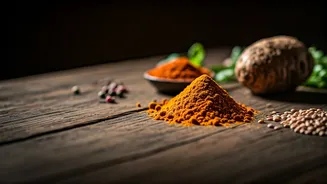
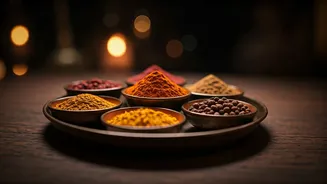
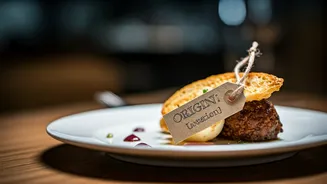
Knowing where your food comes from, or its 'provenance', has become a powerful trend. Consumers are increasingly interested in transparency, seeking out local, single-origin, and artisanal products. This is especially true in India, where the push for locally sourced ingredients is growing. Restaurants are responding by highlighting the origin of their ingredients, not just as a mark of quality but as a core part of their story. Menus might specify that the paneer comes from a local dairy or the chillies are a rare variety from a particular village in Nagaland. This focus on provenance does more than just assure freshness; it anchors the food in a specific place and time, giving it an authentic identity that can’t be easily replicated. This trend allows diners to feel more connected to the land and the communities that produce their food.
Chefs as Curators and Storytellers
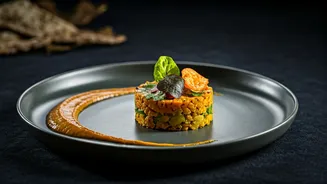
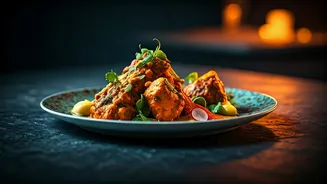
The role of the chef is evolving. No longer just culinary technicians, chefs are becoming cultural ambassadors and storytellers. In India, many chefs are leading a movement to rediscover and elevate regional cuisines that were previously confined to home kitchens. They are digging into their own heritage, unearthing forgotten recipes, and celebrating hyper-local specialities. Chefs like Manish Mehrotra and Vikas Khanna have been instrumental in showcasing the depth of India's culinary traditions, moving beyond clichés like butter chicken. They and others share the history behind dishes, the significance of certain ingredients, and the traditional techniques used in their preparation. This narrative can be woven through menus, shared by servers, and even presented directly by the chef, creating an immersive experience that educates and delights the diner.
The Digital Dish: Sharing Stories Online
The 'shareable' aspect of the headline is most evident in the digital world. A good story is perfect content for social media platforms like Instagram. Restaurants are finding that behind-the-scenes glimpses, videos of a dish's preparation, and posts about the origins of their recipes generate significant engagement. Authentic, relatable content builds a community around the brand. Food influencers and bloggers also play a key role, often focusing on regional food narratives to build trust with their audience. A viral reel about a unique regional dish can drive significant footfall. For diners, sharing the story of their meal online becomes a way to express their own identity and cultural curiosity. It’s not just a photo of food; it’s a snapshot of a cultural experience, making the act of dining a more social and outwardly expressive event.
Rediscovering India's Culinary Roots
Ultimately, this trend is a powerful force for cultural preservation in India. As diners show more interest in regional stories, restaurants are incentivised to explore the country's vast and diverse culinary landscape. This movement is bringing attention to the unique cuisines of smaller regions and communities, from the desert kitchens of Rajasthan to the tribal foods of Jharkhand. It creates new markets for indigenous crops and supports local farmers. By celebrating these hyper-regional traditions, both chefs and diners are participating in a cultural revival. The experience becomes richer and more meaningful, offering a taste of India's incredible diversity that goes far beyond the standard menu. It fosters a sense of pride and connection to one's own heritage.