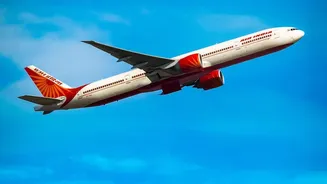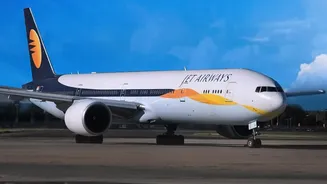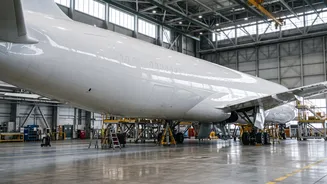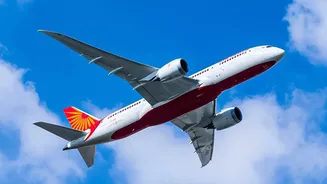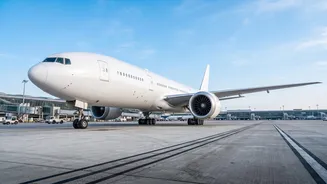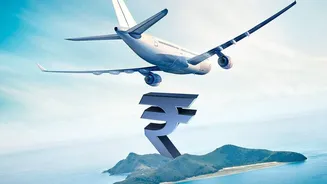

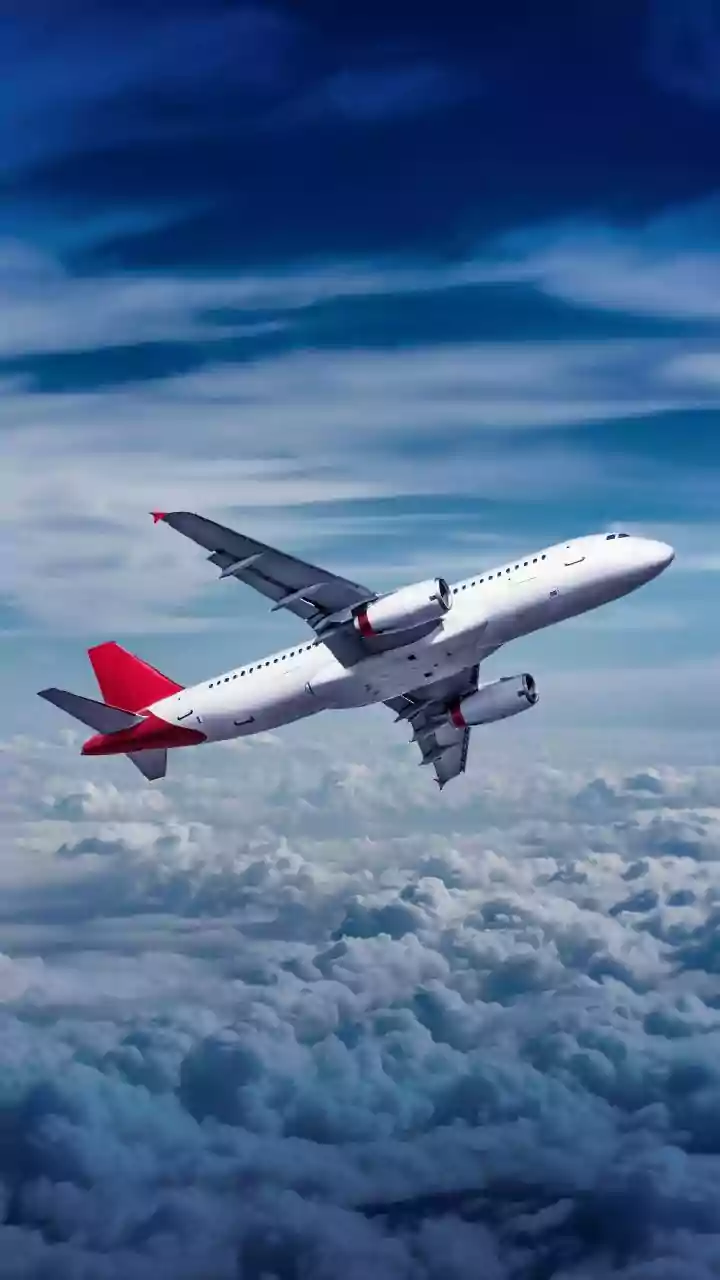


Union Commerce Minister Piyush Goyal recently sounded the alarm on an 'acute' shortage of passenger planes in India. The warning highlights a critical paradox: how can one of the world's fastest-growing aviation markets be short on aircraft?
A Nation in the Sky
India's appetite
for air travel is immense and growing. The country is the world's third-largest civil aviation market, with forecasts predicting a commercial fleet growth of 7.1% annually between 2026 and 2036. This demand is fuelled by a rising middle class, increased connectivity to smaller cities, and competitive fares. However, recent data suggests a slight slowdown in passenger growth, partly due to higher airfares and capacity constraints. Despite this, the long-term trend is clear: more Indians want to fly, more often. The problem is that the supply of aircraft is not keeping pace with this explosive demand, a situation that Minister Goyal highlighted when he stated India needs over 2,000 planes in total.
The Grounded Fleet
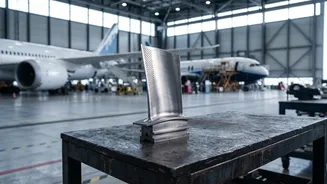
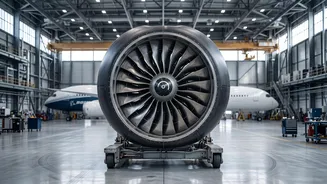
The shortage isn't just about not having enough new planes; it's also about existing planes being unable to fly. A significant portion of the Indian fleet is currently grounded due to maintenance and engine issues. A major cause has been problems with Pratt & Whitney (P&W) engines used on many Airbus A320neo aircraft, a workhorse for carriers like IndiGo. These engines have faced issues from premature wear to contaminated materials, leading to hundreds of planes being pulled from service for extended repairs. This has had severe consequences, contributing to the bankruptcy of Go First and forcing other airlines to reduce their operational capacity significantly. With a large number of aircraft sitting idle, airlines have fewer available seats to offer, putting upward pressure on ticket prices.
A Global Supply Chain Bottleneck
The problem extends far beyond India's borders. Global aircraft manufacturers Airbus and Boeing are facing monumental backlogs, with a combined total of over 17,000 aircraft on order. Both giants are struggling to ramp up production to pre-pandemic levels due to persistent supply chain disruptions. There are shortages of everything from raw materials and basic components to complex systems like engines and fuselage sections. Engine makers like P&W and CFM International are themselves facing production delays, creating a critical bottleneck within a bottleneck. Consequently, airlines worldwide, including in India, are facing long waits for their new planes, with some delivery schedules stretching as far as 2034.
What This Means for Passengers
For the average traveller, this 'acute shortage' translates into a tangible impact on their wallets and travel plans. With fewer seats available, passenger load factors—the percentage of seats filled—are high, meaning flights are consistently full. This high demand and constrained supply inevitably lead to higher airfares, particularly on popular routes and during peak seasons. Passengers may also find fewer flight options and less flexibility in their travel plans. As Minister Goyal pointed out, the shortage also hampers the expansion of international routes, such as improving connectivity between India and Egypt. In short, until the capacity crunch eases, flying is likely to remain a more expensive and less flexible proposition for many.
An Order Book Full of Hope
Despite the immediate challenges, the long-term outlook is different. Indian airlines have been on a historic ordering spree. Air India, IndiGo, and Akasa Air collectively have over 1,700 aircraft on order from Airbus and Boeing. This includes IndiGo's massive 500-plane deal with Airbus in 2023 and Air India's 470-plane order. Minister Goyal even suggested India is ready to order another 1,000 planes. These staggering numbers demonstrate the industry's confidence in the future of Indian aviation. The government is now actively pushing manufacturers to expedite deliveries. These new, fuel-efficient aircraft will eventually not only ease the current capacity constraints but also help airlines manage operational costs and expand their networks.