





Understanding India’s Diverse Monsoon
The Southwest Monsoon, which drenchés India from roughly June to September, is a complex weather system, not a uniform blanket of rain. The key to understanding its behaviour lies in the country's geography, particularly its mountain ranges like the Western
Ghats and the Himalayas. When moisture-laden winds from the Indian Ocean meet these mountains, they are forced to rise, cool, and release their rain on the windward (wind-facing) side. After crossing the peaks, the now-dry air descends on the leeward side, creating a much drier area known as a "rain shadow" region. This single phenomenon creates dramatically different climates just a few hundred kilometres apart, defining the country’s distinct wet and dry zones during the rainy season.
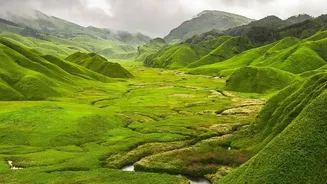
The Wet Zones: Where to Embrace the Downpour
For travellers who seek the full monsoon experience—misty hills, roaring waterfalls, and vibrant green scenery—the windward side of the Ghats is the place to be. Coastal areas of Kerala, Goa, Karnataka, and Maharashtra receive some of the heaviest rainfall, transforming into a lush paradise. Hill stations like Coorg and Wayanad in the south, and Lonavala near Mumbai, become spectacles of nature's power. Similarly, Northeast India, home to some of the wettest places on Earth like Mawsynram and Cherrapunji, is in its prime. Travel here means being prepared for constant rain and potential disruptions, but the reward is witnessing these regions at their most dramatic and beautiful. However, it's crucial to check for local advisories, as areas like Manali, Munnar, and parts of Uttarakhand can be prone to landslides during heavy rains.
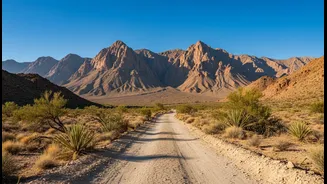
The Dry Zones: Seeking Sunshine During the Rains
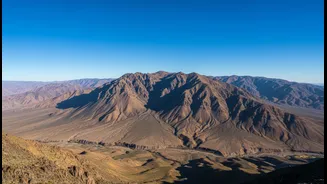
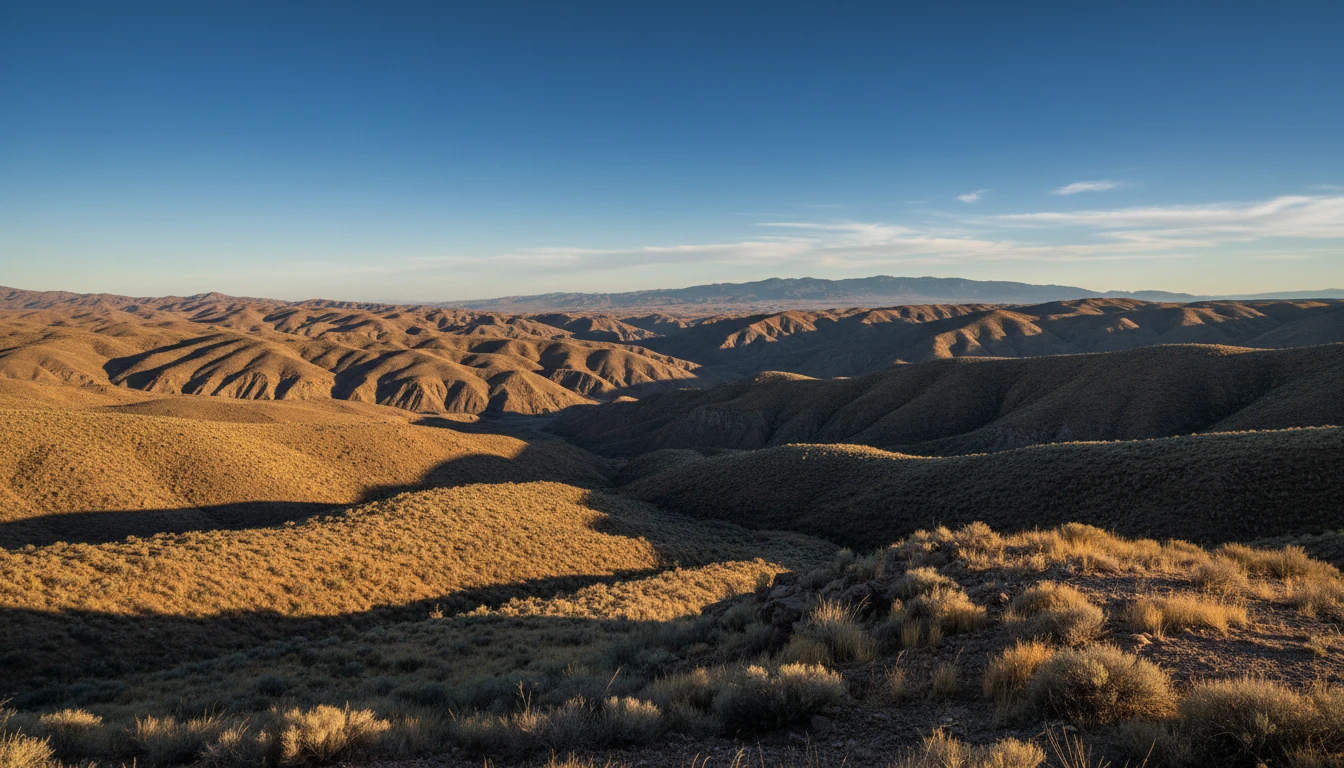
If you prefer to keep your rain jacket packed away, the rain shadow regions offer a welcome escape. The eastern side of the Western Ghats is significantly drier. This includes large parts of Tamil Nadu and the interior Deccan Plateau. Because the southwest monsoon bypasses India's southeast coast, cities like Chennai and Pondicherry remain relatively dry and sunny, receiving most of their rainfall later in the year from the northeast monsoon. Further north, the mighty Himalayas create an immense rain shadow, leaving destinations like Ladakh and the Spiti Valley almost entirely dry during these months. These high-altitude deserts offer clear skies and stunning landscapes, making them ideal for trekking and road trips when other parts of the country are flooded. Even Rajasthan, while hot, receives far less rainfall than the coastal and hilly states.
Packing for the Right Zone
Your packing list should be dictated entirely by your chosen zone. For wet-zone travel, quick-dry synthetic fabrics are essential; avoid cotton and denim, which absorb moisture and take days to dry in high humidity. A reliable waterproof jacket is more practical than an umbrella against monsoon winds. Waterproof sandals or trail runners with good grip, a rain cover for your backpack, and dry bags for electronics are non-negotiable. For dry zones, you can pack lighter cottons, but it's still wise to include a light jacket or poncho for occasional showers. Regardless of the zone, humidity is a given, so breathable clothing is always a good idea. Other monsoon essentials include insect repellent, as mosquito activity increases, and a microfiber towel that dries quickly.