
November Weather: A Tale of Two Temperatures
November sits in a sweet spot between autumn and the deep freeze of winter. Days are often sunny and pleasant, with temperatures at altitudes around 2,500-3,500 metres hovering between 10°C and 15°C. This makes for comfortable hiking. However, the nights
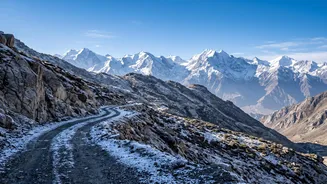
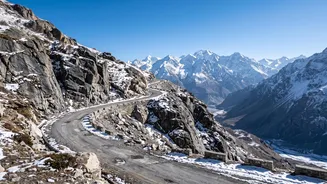
tell a different story. As soon as the sun disappears, temperatures can plummet, often dropping well below freezing, especially at higher elevations. While rainfall is minimal, the possibility of early-season snowfall increases as the month progresses, particularly above the treeline. Expect crystal-clear morning views of major peaks, but be prepared for cold winds and frosty nights.
The Art of Layering: Your Core Defence
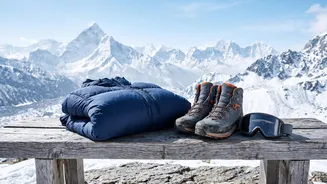
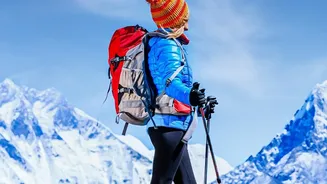
Dressing for a November trek is all about smart layering; it's more effective than relying on a single thick jacket. Start with a moisture-wicking base layer (thermals) to keep sweat off your skin. Add a fleece jacket as your mid-layer for insulation. Your outermost layer should be a waterproof and windproof shell to protect against the elements. A down or padded jacket is also crucial for staying warm during frigid evenings and early mornings at the campsite. Do not forget essentials like a woollen cap or balaclava, sun cap, UV-protected sunglasses to prevent snow blindness, and waterproof gloves.
Footwear, Traction, and Essential Gear
Your feet are your most important asset on a trek. Invest in a pair of sturdy, waterproof trekking shoes with good ankle support and make sure they are well broken-in before your trip. Pair them with moisture-wicking woollen socks. Depending on your chosen trek's altitude and the likelihood of snow, you may need microspikes or gaiters for better grip on icy patches. Your backpack should be comfortable and large enough to hold your essentials, including a sleeping bag rated for sub-zero temperatures, trekking poles for stability on steep sections, a headlamp, a personal first-aid kit, and a water bottle to stay hydrated.
Understanding Trekking Permits
Permits are a non-negotiable part of trekking in many parts of the Indian Himalayas. They serve to regulate visitor numbers, ensure safety, and protect sensitive ecosystems and border areas. The type of permit you need depends on the state and the specific trail. For most standard treks in states like Uttarakhand and Himachal Pradesh, you'll need basic forest or national park entry permits, which can often be obtained at the start of the trek. However, treks in areas near international borders require more stringent permissions.
Special Permits: ILP and PAP Explained
For certain protected regions, you will encounter two main types of special permits. The Inner Line Permit (ILP) is required for Indian citizens to enter sensitive areas, particularly in states like Arunachal Pradesh, Nagaland, Mizoram, and specific parts of Himachal Pradesh, Uttarakhand, and Ladakh near international borders. The Protected Area Permit (PAP), on the other hand, is required for foreign nationals to visit these same areas. Getting a PAP often requires travelling in a small group arranged through a registered travel agency. These permits are issued by state government authorities or the Ministry of Home Affairs and should be applied for in advance, as processing can take time.
Popular November Treks and Their Requirements
Many treks are at their prime in November. In Uttarakhand, popular options like Deoriatal-Chandrashila, Dayara Bugyal, and Har Ki Dun offer stunning views with manageable conditions. In Himachal Pradesh, treks such as Triund and Prashar Lake are excellent choices for clear Himalayan vistas. For most of these, permits are straightforward. However, for treks in border-adjacent regions like parts of Sikkim or Kinnaur in Himachal, you must secure an ILP or PAP. Foreigners wanting to trek in most parts of Sikkim, for example, need a Protected Area Permit arranged by a registered agency.