



Embrace the 'Use-First' Philosophy
The core of this strategy is simple: make the food that needs to be eaten most urgently the easiest to see and grab. The 'First In, First Out' (FIFO) method, used in professional kitchens, is your new best friend. When you unpack your groceries, don't
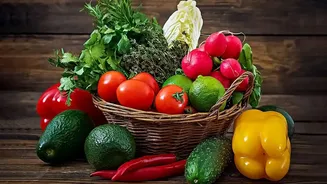
just stuff them wherever they fit. Instead, move older items to the front and place the new arrivals behind them. To take this a step further, create a designated 'Use Me First' zone in your fridge. This could be a specific shelf or a clear, open container where you place items nearing their end: soft tomatoes, leftover half-cut onions, or leafy greens that are starting to look tired. This visual reminder ensures that vulnerable produce gets used in your next meal, not discovered a week later in the back of the crisper.
A System for Delicate Vegetables
Delicate items like palak (spinach), dhania (coriander), and other leafy greens are often the first casualties of a disorganized fridge. They wilt and turn slimy because of improper moisture levels. The key is to manage this moisture. For soft herbs like coriander and mint, trim the stems and place them upright in a jar with a little water, like a bouquet of flowers. You can cover the leaves loosely with a plastic bag and change the water every couple of days. For leafy greens like spinach and lettuce, the goal is to keep them dry. Wash and thoroughly dry the leaves—a salad spinner is great for this. Then, store them in an airtight container lined with a paper towel to absorb any excess condensation. This simple prep can extend their life from a few days to over a week.
Tackling the Half-Used Items
A half-cut onion drying out on a shelf or a shriveled piece of ginger are common sights that lead to waste. Open packs and cut vegetables need protection from the air, which causes them to lose moisture and absorb fridge odours. An airtight container is the best solution for most sliced vegetables, where they can last for three to five days. For crunchy items like carrots and celery sticks, storing them submerged in a container of cold water in the fridge will keep them crisp. For that half-used onion, keep it in a dedicated, sealed container to prevent its strong smell from permeating other foods. A small investment in a few clear, stackable containers can transform your fridge, making it easy to see exactly what you have and ensuring these partial items get used up promptly.
The Weekly Reset Routine
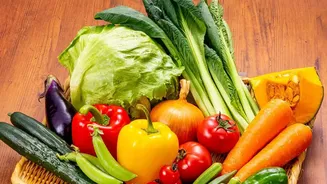
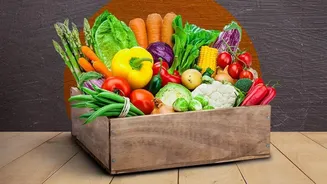
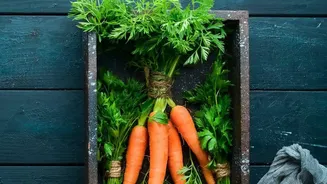
The best way to maintain this system is to make it a habit. Set aside 10 minutes when your new produce box arrives to perform a 'weekly reset.' Start by taking out any remaining items from your 'Use Me First' box. Give the shelf or container a quick wipe-down. As you unpack your new vegetables, assess their hardiness. Plan to use the most delicate items—like leafy greens, mushrooms, and fresh herbs—within the first two or three days. Hardier vegetables like carrots, beets, cabbage, and pumpkins can be scheduled for meals later in the week. This brief planning session connects your inventory directly to your meal plan, ensuring that your purchases are based on what you will actually cook, not what you aspire to cook.
Smarter Fridge, Less Waste
Beyond the 'Use-First' box, a generally organized fridge supports the whole system. Understand your fridge's zones. The lower shelves are typically the coldest, making them ideal for raw meat or dairy, while the upper shelves are good for leftovers and ready-to-eat foods. The crisper drawers are designed to maintain specific humidity levels—one for fruits and one for vegetables. Many fruits, like apples and bananas, release ethylene gas, which can cause nearby vegetables to ripen and spoil faster, so it is best to keep them separate. Using clear bins to group similar items—like one for breakfast spreads and another for snacks—makes everything visible and accessible. When you can see everything at a glance, you're far less likely to forget about it.