

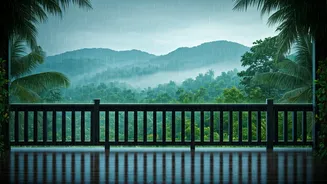


The Rise of the Micro-Vacation
The traditional annual vacation is becoming a thing of the past for many young professionals. [10] Instead, a new trend is taking hold: the 'micro-vacation' or 'holiday snack'—short, frequent trips lasting two to four days. [7, 14] Data shows a significant
increase in Indians taking multiple short trips per year, a trend driven largely by Millennials and Gen Z. [10] In fast-paced urban lives, finding time for a long break is a challenge. [17] Quick getaways planned around a long weekend require minimal leave and planning, offering a refreshing and regular escape from routine without the logistical stress of a major holiday. [7, 17] This shift reflects a change in how young people view travel—not as a rare, once-a-year event, but as an integral and frequent part of life for maintaining well-being. [10, 13]
Budget-Friendly, Experience-Rich
One of the most compelling reasons for the pivot to nearby destinations is simple economics. These trips are inherently more affordable. [17] By cutting down on expensive long-haul flights, travellers can allocate their budget towards better accommodation, unique activities, and local food. [17, 21] This financial prudence doesn't mean compromising on the quality of the experience. In fact, for many, it enhances it. The focus shifts from merely reaching a far-flung location to immersing oneself in the destination. [13] Young travellers are increasingly prioritising adventure, cultural immersion, and creating memories over just ticking off a famous landmark from a list. [11, 28] They are proving that a rich travel experience is not measured by the miles travelled but by the moments collected.
The Search for Authenticity and Offbeat Experiences
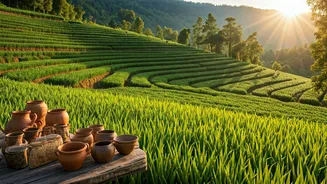
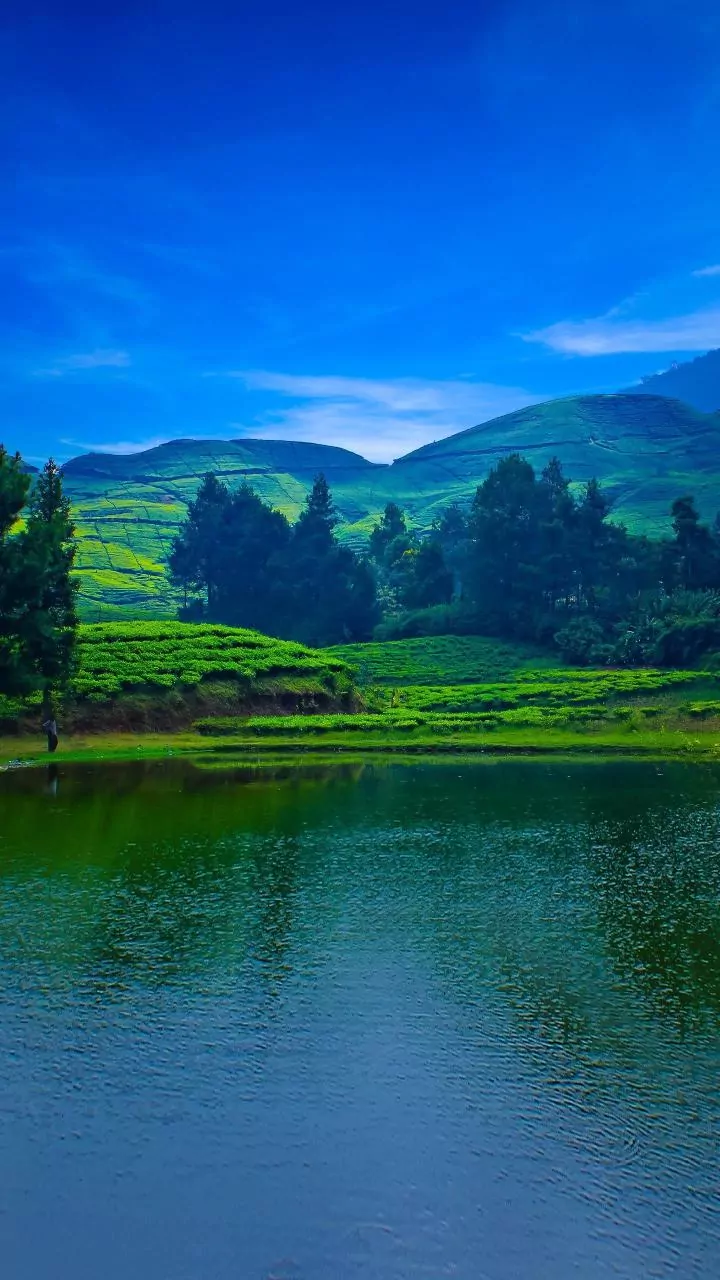
Social media has turned from a platform of just showcasing popular global hotspots to a discovery tool for hidden gems. [2, 8] Platforms like Instagram and YouTube are inspiring young Indians to explore lesser-known rural and niche destinations within the country. [2, 12] There is a growing desire for authenticity that chain hotels and over-touristed cities often lack. [13] This generation of travellers wants to connect with local culture, eat regional cuisine, and stay in homestays that offer a genuine glimpse into a different way of life. [13, 22] A recent survey showed that 93% of travellers are willing to explore offbeat destinations that promise authentic engagement. [30] This search is leading them to the tea festivals of Assam, craft villages in Rajasthan, and the serene backwaters of Kerala, discovering the rich diversity in their own backyard. [24, 30]
Spontaneity and The 'Anti-Itinerary' Traveller
The era of the rigidly planned, months-in-advance holiday is fading for Gen Z. This new 'anti-itinerary' generation thrives on spontaneity. [29] A survey in April 2026 revealed that 66% of young Indians book their trips within just days or weeks of travelling. [29] Nearby destinations are perfect for this impulsive travel style. [27] The decision for a weekend trek to the hills or a drive to a coastal town can be made on a Wednesday, with the trip materialising by Friday night. [17] This flexibility is a core value, with 64% intentionally leaving their schedules open to allow for spontaneous exploration. [29] It's a move away from travel as a plan to be executed and towards travel as an adventure that unfolds organically. [29]
The Conscious Traveller
A growing environmental consciousness is also shaping travel decisions. A significant majority of young Indian travellers, including 82% of Gen Z and 88% of Millennials, express a desire to travel more sustainably. [6] This translates into practical actions, such as choosing destinations that don't require long-haul flights, thereby reducing their carbon footprint. [12] Many are also actively seeking to avoid over-crowded tourist spots to mitigate the impact of over-tourism. [6, 15] This conscious choice extends to supporting local economies through stays at homestays and purchasing from local artisans, making their travel not just a personal escape but a positive contribution to the places they visit. [13, 21]