

What to See in the July Sky
July is a fantastic month for stargazers. This year, the main event is the Southern Delta Aquariid meteor shower, which is active from mid-July through late August. While it's a steady shower, it’s not known for a dramatic peak, instead offering a consistent
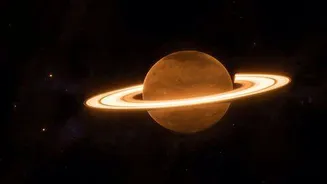
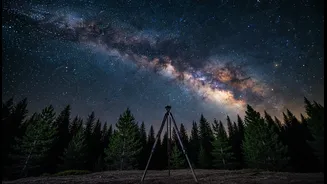
stream of meteors. You can also catch the beginning of the famous Perseid meteor shower, which starts its annual appearance in late July before peaking in August. Beyond meteors, brilliant Venus will be a dominant feature in the early evening western sky. You can also spot Saturn rising in the east as the night progresses, with Mars making an appearance in the pre-dawn hours. For those with binoculars, July also offers a prime view of the Milky Way's dense, glittering core, best seen from a dark location away from city lights.
The Power of Planning Over Price
The most important tool for stargazing isn't a telescope—it's a calendar and a weather app. A key example this month is the peak of the Delta Aquariid meteor shower. It is set to occur around July 30th, but this coincides with a bright waning gibbous Moon. The moonlight will wash out many of the fainter meteors, making them difficult to see. Someone with a powerful telescope will be just as hindered by the moonlight as a person using only their eyes. However, the savvy planner knows this and can decide to go stargazing a week earlier, during the New Moon phase around July 14th, when the skies will be darkest. This simple act of checking the lunar calendar will provide a far better viewing experience for seeing the early meteors and the Milky Way than any equipment could on a moonlit night.
Step 1: Find Your Dark Sky
The single most impactful thing you can do for better stargazing is to escape light pollution. City and suburban lights create a glow that obscures all but the brightest stars and planets. Even a short drive away from the city centre can make a dramatic difference. Use online resources like light pollution maps to find nearby parks, reserves, or rural areas with darker skies. When you get to your spot, choose a location with a wide, unobstructed view, especially towards the south for viewing the Delta Aquariids' radiant point in the constellation Aquarius. Remember to be safe, stay on public land, and let someone know where you are going.
Step 2: Let Your Eyes Adapt
Your eyes have a natural ability to adjust to darkness, a process called dark adaptation, which significantly increases your ability to see faint objects. This process can take 20 to 30 minutes. During this time, you must avoid all white light, including your phone screen. Even a brief look at a bright screen can reset your night vision. If you need to use a light, use a red-light flashlight. Red light has a lower impact on your night vision, which is why astronomers use it exclusively in observatories. Many stargazing apps also have a 'night mode' that turns the interface red for this very reason.
Step 3: Use Simple, Effective Tools
While a telescope isn't necessary, a few simple tools can enhance your experience. A good pair of binoculars, even a standard 7x50 or 10x50 pair, can be more useful than a cheap telescope. They offer a wide field of view, making it easy to scan the Milky Way and find star clusters like the Pleiades. The most powerful tool is likely already in your pocket: your smartphone. Free apps like SkyView Lite, Star Walk 2, or Stellarium can use your phone's GPS and compass to identify any star, planet, or constellation you point it at. Finally, don't underestimate comfort. A reclining lawn chair or a blanket will save you from a sore neck and allow you to relax and enjoy the show for hours.