
The Welcoming Entrance
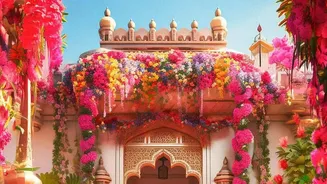
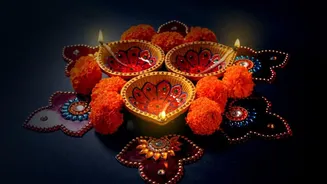
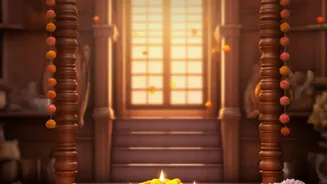
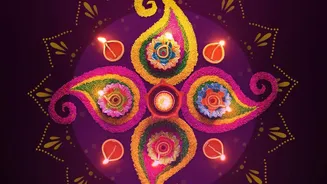
The entrance is the first space that welcomes guests and positive energy into your home. This year, move beyond the simple and embrace a layered look. Start with a beautiful rangoli; you can use flower petals for a fragrant, eco-friendly design or create
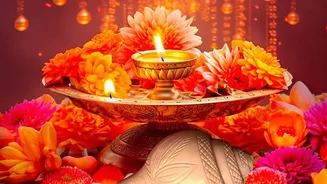
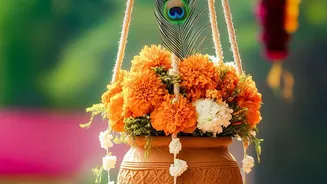
intricate patterns with coloured powders. Frame your door with a traditional toran made of marigold flowers and mango leaves, which are known to stay fresh for several days. For a modern twist, intertwine warm-white fairy lights with the floral garlands. This combination of traditional flowers and soft lighting creates an inviting glow that feels both festive and elegant. Don't forget the floor—a cluster of hand-painted clay diyas or brass lamps can be placed safely to one side to complete the look.
Transforming the Living Room
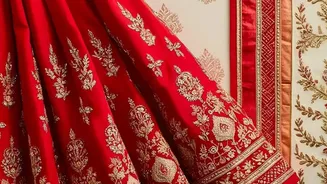
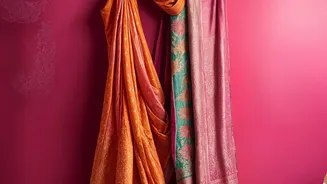
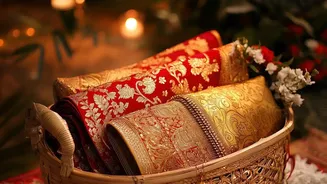
The living room is where families gather, making it a focal point for festive decor. The quickest way to inject a festive mood is by focusing on textiles. Swap out your regular cushion covers for ones in rich, festive colours like ruby red, sapphire blue, or saffron orange. Introduce different textures like velvet, silk, or fabrics with gold zari work to add a touch of luxury. Instead of decorating every surface, choose one main wall to create a focal point. You can hang a large piece of traditional Indian wall art, like a Kalamkari panel, or even drape a vibrant saree or dupatta as a backdrop. A beautiful urli bowl filled with water, floating flowers, and a few tea-light candles on a centre table makes for a simple yet stunning centrepiece that doesn't obstruct conversation.
Creating a Divine Festive Corner
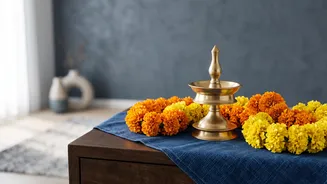
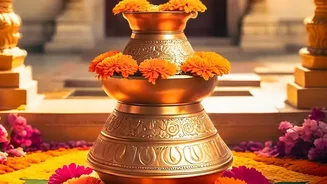
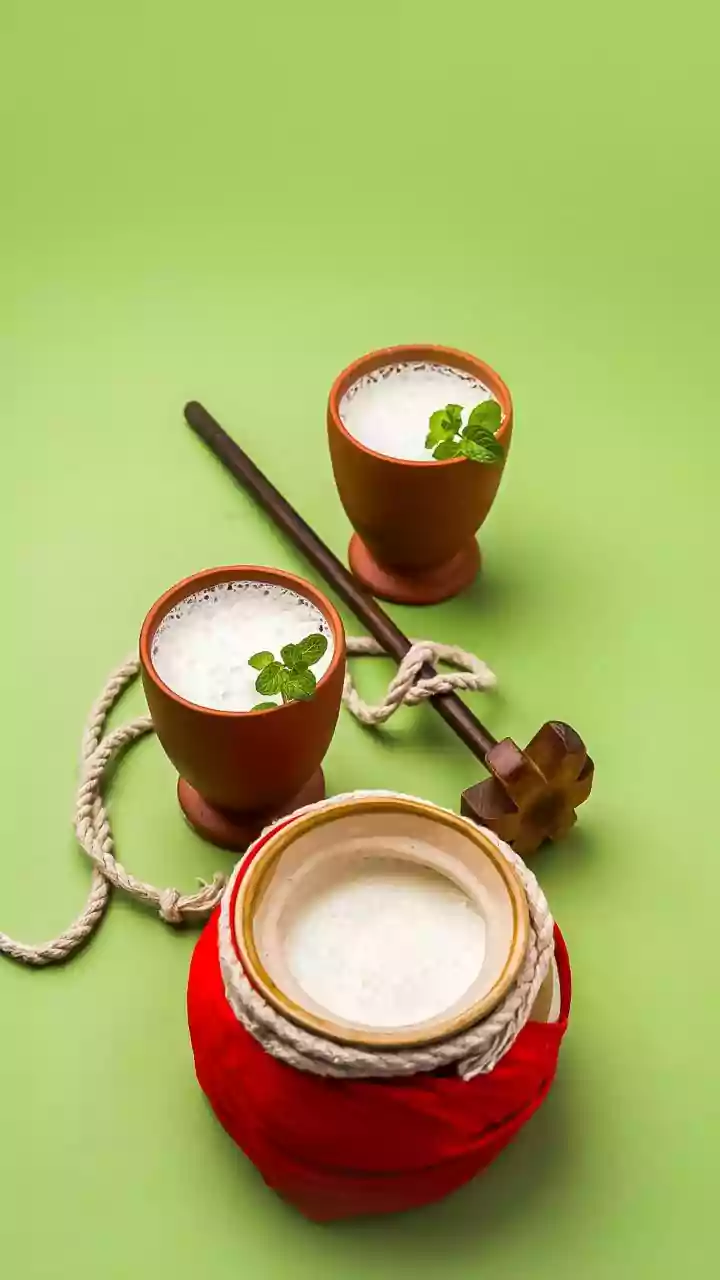
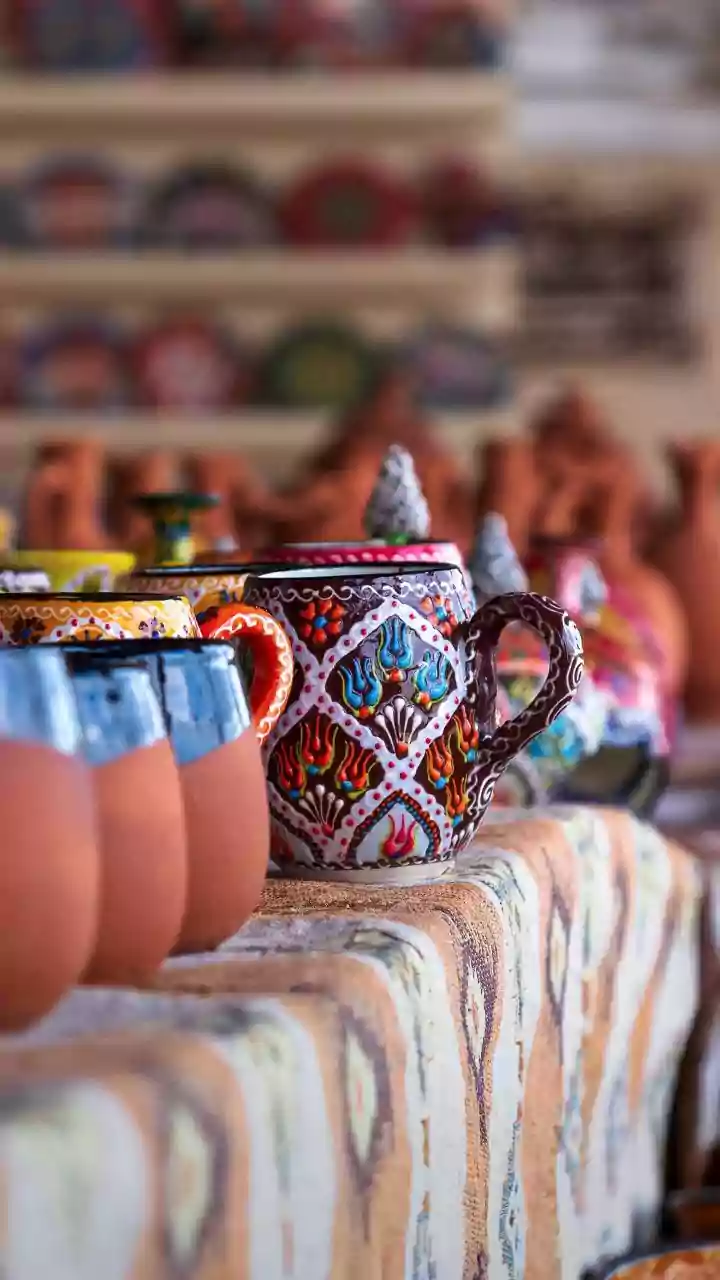
A dedicated festive corner can become the spiritual heart of your home during Navratri. This doesn't require a separate pooja room; any quiet corner will do. Start by placing a small wooden chowki or a low table and cover it with a bright, clean cloth. This will be the stage for your deity. Create a backdrop using garlands of fresh flowers or even colourful dupattas. If you are creating a Golu display, arrange the dolls on tiered steps. For a Garba-inspired corner, place a beautifully painted earthen pot (garba matli) as the centrepiece. Arrange diyas, bells, and small brass items around it. This corner can be made even more special with floor seating, using bolsters and cushions for comfort during prayers or aarti.
The Magic of Modern and Traditional Lighting
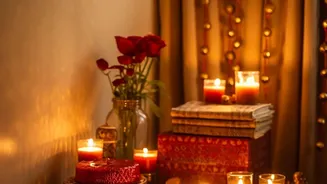
Lighting is crucial in setting a festive tone, especially in the evenings. A mix of traditional and modern lighting creates a warm, layered effect. Use classic clay diyas and brass lamps in your pooja corner and entrance for their timeless appeal. For living rooms and balconies, go for warm LED fairy lights, which are energy-efficient and safe. You can drape them around windows, behind sheer curtains for a diffused glow, or place them in glass jars for a contemporary lantern effect. Paper and fabric lanterns are another excellent way to add ambient light to corners or covered balconies, casting a soft, celebratory glow throughout your home.
Embracing Eco-Friendly and DIY Decor
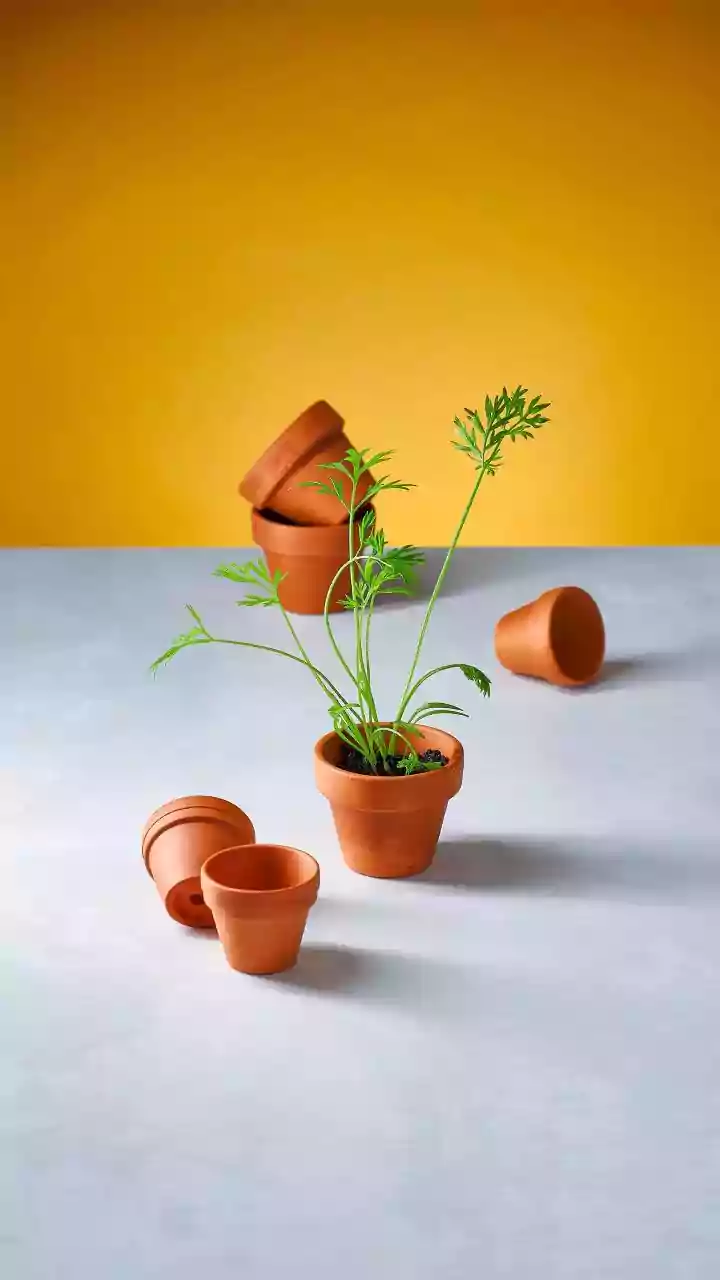
Festive decorations can be both beautiful and sustainable. This Navratri, consider incorporating eco-friendly and do-it-yourself elements into your decor. Instead of plastic decorations, opt for natural materials like clay, jute, bamboo, and fresh flowers. You can create your own torans using craft paper, beads, and old fabric, which can be a fun activity for the whole family. Old sarees and dupattas can be repurposed as colourful backdrops or table runners. For rangoli, use natural powders like rice flour, turmeric, and flower petals instead of synthetic colours. Even idols can be eco-friendly, with many artisans now offering seed-embedded clay idols that can be grown into a plant after the festival.