



Beyond the National Average
Every year, as the southwest monsoon sweeps across India, the India Meteorological Department (IMD) releases data on cumulative rainfall. Figures like '90% of the Long Period Average (LPA)' or '102% of LPA' become headline news, often used as a proxy
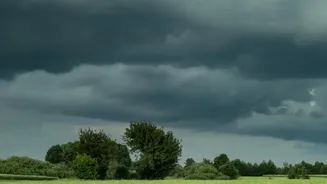
for the health of the nation's agricultural sector. However, this single, all-India number masks critical realities on the ground. A 'normal' monsoon on paper can hide severe distress in key agricultural belts. The 2026 season serves as a perfect example. After a weak start in June with a significant deficit, a sharp recovery in July brought the cumulative numbers closer to normal. Yet, this recovery was not uniform, with many districts still experiencing shortfalls. This highlights the core issue: a national average means little to a farmer whose specific district remains dry.
The Crucial Element of Timing
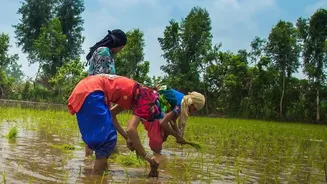
For a farmer, when the rain falls is as important as how much falls. The timing, or temporal distribution, of rainfall must align with the critical stages of a crop's life cycle. The Kharif season, which relies heavily on monsoon rains, is particularly sensitive. Rain is essential during the initial sowing period to ensure seed germination. However, prolonged dry spells, known as 'monsoon breaks', after sowing can be devastating, causing moisture stress just as the plants are establishing themselves. Conversely, intense downpours during the harvesting stage can damage mature crops. The 2026 monsoon has been a case study in this volatility, with a delayed onset and weak June stalling sowing in many regions, followed by a frantic catch-up in July. Forecasts for below-normal rain in August and September further raise concerns about moisture availability during the crucial grain-filling stages.
Location, Location, Location
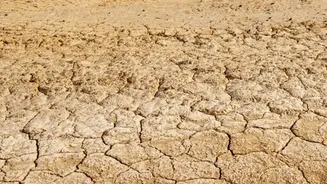
The other side of the coin is spatial distribution—where the rain is falling. Even in a year with a healthy national average, the geographic spread can be wildly uneven. Some regions might grapple with floods while others in the same country face drought-like conditions. In July 2026, for instance, Central India received excess rainfall while east, northeast, and south India recorded significant deficits. As of early August 2026, reports indicated that 345 of the country's districts had recorded rainfall at least 20% below normal. This patchiness directly impacts which crops can be sown and their subsequent health. For India's vast rainfed agricultural areas, which cover nearly half of the cultivated land, this uneven distribution is the primary determinant of seasonal success or failure.
Rainfall Isn't the Whole Story
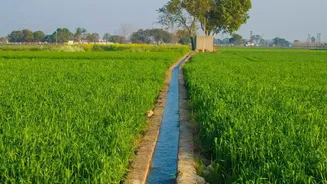
While water is fundamental, it's not the only factor governing crop yields. Temperature plays a significant role; unusually high temperatures can increase evapotranspiration, rapidly depleting soil moisture and stressing plants, even with adequate rain. The IMD's 2026 forecast noted that below-normal August rain would likely be accompanied by above-normal temperatures, compounding the problem for standing crops. Furthermore, farmers' access to resources is critical. The availability and cost of quality seeds, fertilisers, and pesticides can make or break a season. Other challenges include effective pest management, access to credit for purchasing inputs, and sufficient labour for sowing and harvesting. These economic and logistical factors interact with the weather, creating a complex web of challenges that a simple rainfall number cannot capture.
The 2026 Season on a Knife's Edge
As of mid-August 2026, the Kharif season remains precariously balanced. Sowing has caught up significantly since the dry spell in June, with the overall acreage gap narrowing to just a few percentage points below the previous year. However, the sowing of key crops like rice, tur, and maize still lags. With the sowing window now largely closed, the final output depends entirely on the yield of the standing crops. Experts state that the period from mid-August through September is critical, as this is when crops enter growth stages that determine the final harvest size. The forecast of a weakening monsoon, influenced by a strengthening El Niño, means that every drop of rain and every farming decision in the coming weeks will be crucial in shaping India's food security and agricultural economy for the year.