





A Shift in the Travel Mindset
The travel landscape in India is witnessing a significant transformation, led by a generation of young professionals and digital nomads who view travel not just as a biannual event, but as an integrated part of their lifestyle. The post-pandemic embrace
of remote and flexible work arrangements has untethered many from their office desks, giving them the freedom to explore the country at their own pace. This newfound flexibility, combined with a growing desire for authentic experiences over standardized tourist packages, is pushing them to look beyond the obvious choices. They are seeking destinations that offer a blend of relaxation, adventure, and connectivity, allowing them to work, play, and unwind. This shift is less about just 'seeing' a place and more about 'being' in it—soaking in the local culture, enjoying a slower pace of life, and finding a healthier work-life balance away from the urban hustle.
The Allure of the 'Workation' Hotspot
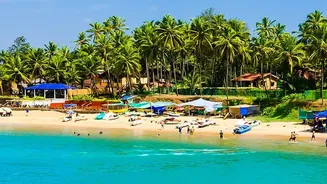
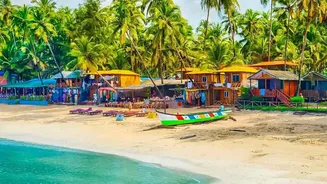
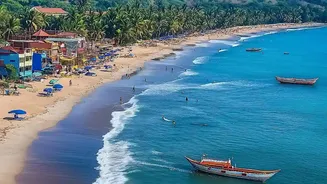
Coastal towns like Varkala in Kerala and Gokarna in Karnataka are emerging as frontrunners in this new travel era. Unlike the party-centric reputation of North Goa, these destinations have cultivated a vibe that is more relaxed and wellness-oriented. Varkala, with its stunning cliff-top promenade lined with cafes, yoga studios, and Ayurvedic centers, offers the perfect blend of scenic beauty and essential infrastructure. It’s a place where one can finish a work call and immediately head for a surf lesson or a sunset yoga session. Gokarna, once known primarily as a temple town, now attracts travellers with its string of clean, secluded beaches like Kudle and Om, which are often reached by trekking. These locations thrive by offering not just a holiday, but a temporary lifestyle. The availability of reliable Wi-Fi in beachside shacks, the rise of co-working hostels, and an abundance of affordable, comfortable homestays make them ideal for extended 'workations'.
Beyond the Usual Suspects
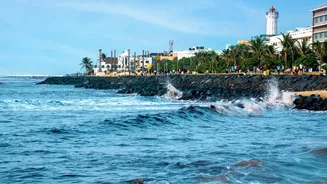
While Varkala and Gokarna are poster children for this trend, the appeal is spreading across India’s coastline. The Konkan Coast in Maharashtra, with government support for sustainable and experiential tourism, is drawing attention for its untapped potential. Destinations like Tarkarli are gaining popularity for pristine waters and scuba diving opportunities, offering adventure without the crowds. In the east, places like Puri and Chandipur in Odisha are also being discovered by a new generation of travellers. Even the Andaman and Nicobar Islands, long seen as a premium honeymoon destination, are becoming more accessible to younger group and solo travellers seeking pristine nature. What unites these diverse locations is their ability to offer something more than just a pretty beach. They provide a sense of discovery and a connection to a more authentic, localised way of life that many young Indians are actively seeking.
It’s All About the Vibe and Value
Ultimately, the success of these coastal hotspots lies in their 'vibe' and the value they offer. For a generation that is digitally connected yet often seeks genuine connection, these places provide a sense of community. It's common to find travellers bonding over bonfires, impromptu music sessions, or at a local food joint. This social aspect, combined with the relative affordability compared to international travel or even some of India's more commercialised tourist hubs, makes them incredibly attractive. The rise of boutique stays, family-run guesthouses, and eco-conscious resorts offers a more personal and sustainable alternative to large, impersonal hotels. Young travellers are investing in experiences—learning a new skill like surfing, exploring local cuisine, or simply having the time and space for personal well-being. These coastal towns deliver on that promise, offering a rich experience that feels both meaningful and budget-friendly.