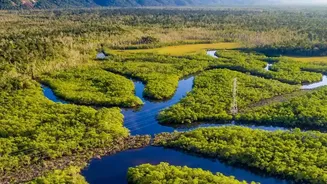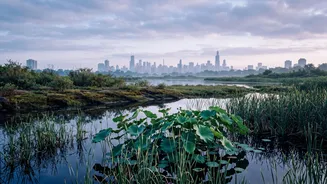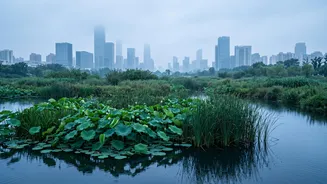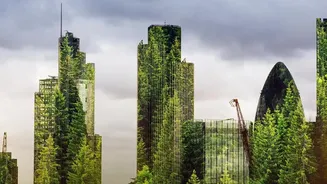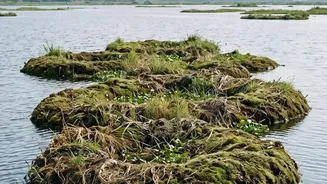


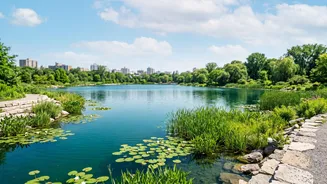
In the concrete landscapes of our growing cities, patches of water and greenery are often seen as obstacles to development. But urban wetlands are far more than empty space; they are powerful, multi-tasking ecosystems with a vital role to play.
The Challenge of Urban Growth
As India's
cities expand at a breakneck pace, natural landscapes are often the first casualty. Wetlands—areas like marshes, ponds, and lakes—are frequently drained, filled in, and built over. This is a significant loss, because these ecosystems, often called 'nature's kidneys', perform critical functions that make cities more liveable. They filter pollutants, recharge groundwater, and act as natural sponges that absorb excess rainwater, helping to prevent floods. However, rampant urbanisation has led to severe wetland loss in major Indian cities, threatening water security and ecological balance.
Fighting the 'Urban Heat Island'
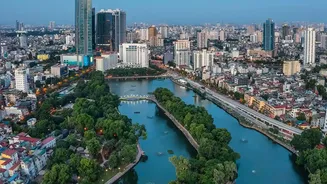
One of the most immediate problems in dense urban areas is the 'urban heat island' effect. Concrete, asphalt, and other man-made materials absorb and retain the sun's heat far more than natural landscapes. This makes cities significantly warmer than their surrounding rural areas. This retained heat increases energy consumption for cooling and can pose health risks. Wetlands offer a powerful, natural solution. Through a process called evapotranspiration, they release water vapour into the air, which has a significant cooling effect on the immediate environment. The water itself has a high heat capacity, meaning it absorbs large amounts of heat before its temperature rises, moderating local temperatures. Studies have shown that the presence of wetlands can lower nearby air temperatures by several degrees, acting as natural air conditioners for the city.
Oases for Urban Wildlife
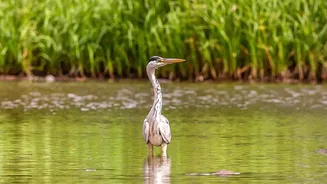
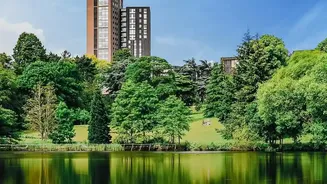
A city is not just for people. Despite the urban sprawl, many species of plants and animals adapt and survive in our midst. Urban wetlands are crucial biodiversity hotspots that provide essential habitats for this wildlife. They serve as breeding grounds, feeding areas, and homes for a wide array of species, including amphibians, insects like dragonflies, and numerous resident and migratory birds. Even artificially created or restored wetlands can quickly become vibrant ecosystems, providing a refuge for rare plants and animals that would otherwise be pushed out by development. By preserving these pockets of nature, cities can support a surprising diversity of life, contributing to the overall ecological health of the region.
More Than Just Water
The benefits of conserving urban wetlands extend beyond cooling and biodiversity. They are invaluable for managing urban water cycles. By capturing and slowly releasing stormwater, they reduce the strain on drainage systems and mitigate the risk of flash floods, a growing concern in many Indian cities. They also act as natural water purifiers, with plants and microorganisms breaking down pollutants from urban runoff. Furthermore, these 'blue-green' spaces provide immense value to residents. They offer opportunities for recreation, relaxation, and social interaction, improving mental and physical well being. Integrating wetlands into urban planning is not about halting development, but about making it smarter and more sustainable.